Red Rocks Amphitheatre
Some places are famous because of the people who performed there. Red Rocks Amphitheatre is famous because of the place itself.
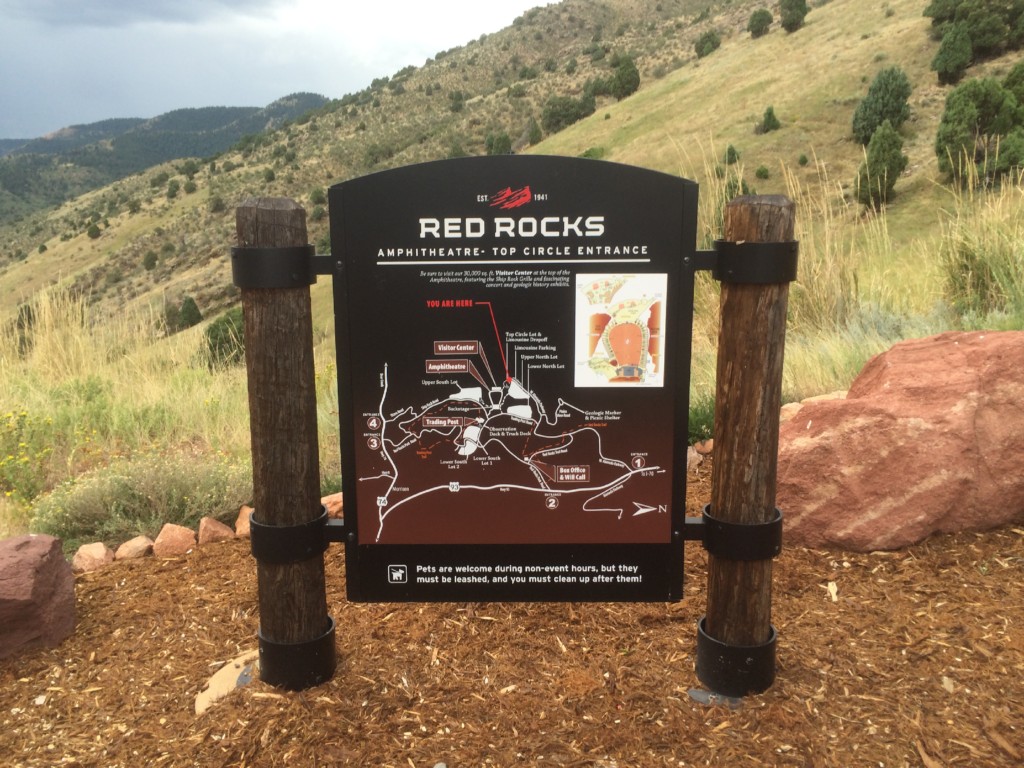
Just outside Denver, towering walls of red sandstone rise from the earth to form one of the world’s most spectacular natural amphitheaters. Long before concerts filled the air with music, these massive rock formations were shaped over millions of years by powerful geological forces. It is hard to imagine a more dramatic setting for a performance.
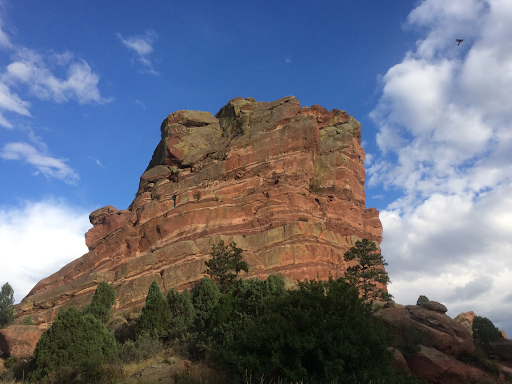
The natural acoustics of the site were recognized long before the amphitheater was built. Beginning in the early 1900s, local visionaries saw the potential of creating a venue that worked with the landscape rather than against it. The amphitheater that visitors enjoy today was completed in 1941 as a project of the Civilian Conservation Corps and the Works Progress Administration during the Great Depression. Instead of altering nature, the designers carefully incorporated the existing rock formations into the structure, creating an outdoor theater unlike any other in the world.
Whether you come for a concert or simply to explore the museum, Red Rocks offers much more than entertainment. The visitor center tells the story of the amphitheater’s construction, its remarkable geology, and the countless legendary performers who have taken its stage. From opera singer Mary Garden, who helped popularize the venue in its early years, to artists such as The Beatles, U2, Bruce Springsteen, John Denver, and countless others, performing at Red Rocks has become a milestone in a musician’s career.
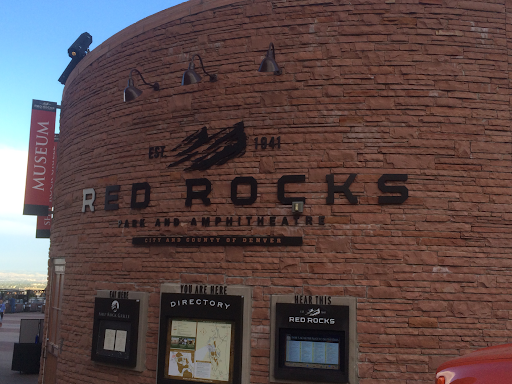
Even without a concert, Red Rocks is worth the visit. Walking among the towering sandstone formations, looking out across the Front Range, and standing in the empty amphitheater allows you to appreciate the remarkable vision that transformed a natural landscape into one of the world’s great performance venues.
Red Rocks is more than a concert venue. It is a place where geology, architecture, and music come together in perfect harmony. Few places remind us so clearly that sometimes nature creates the most extraordinary stages of all.
Read More From Nancy
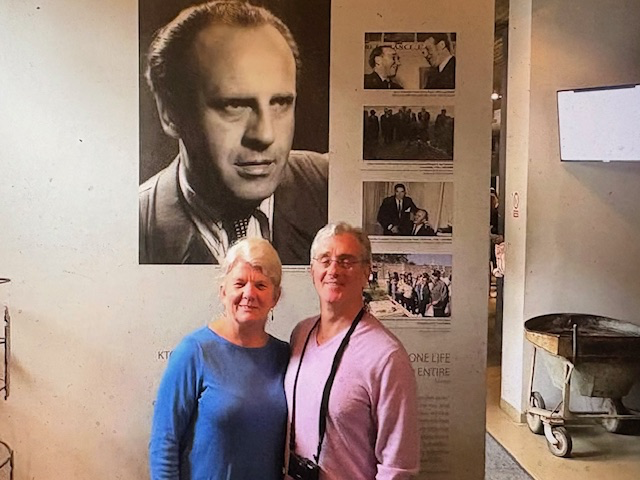
Oskar Schindler’s Museum
While visiting Krakow, we made our way to this powerful museum: Oskar Schindler’s Factory. Of course, his story had already been etched into public memory through the Oscar-winning film Schindler’s List, but standing in the actual factory where so much of that history unfolded brought a different weight to the story. The Oskar Schindler’s Museum […]
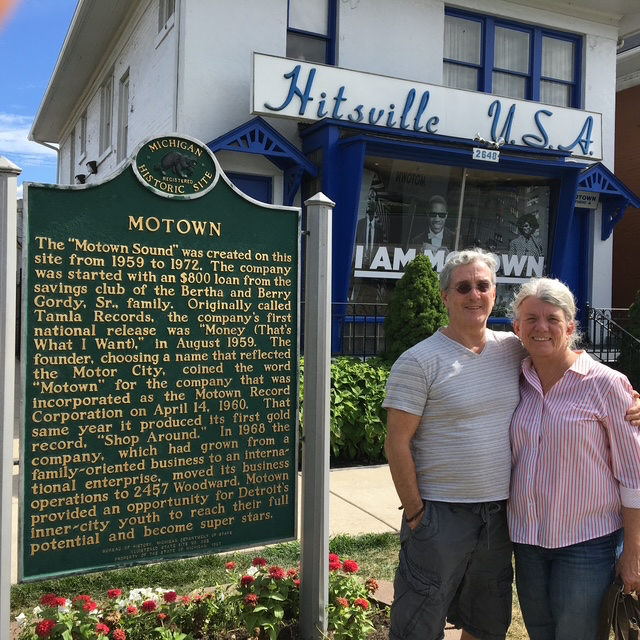
Hitsville
Years ago, while teaching in Michigan, Marty and I decided we had to make a pilgrimage to Hitsville U.S.A. We had grown up with Motown music, and we wanted to see where it all began. What surprised us most was how ordinary it looked. There were no grand recording complexes or elaborate buildings. Just a […]
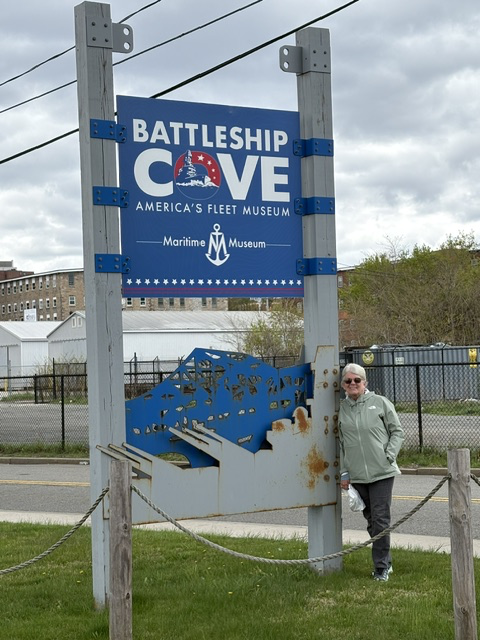
Battleship Cove
One of the highlights of our visit to Fall River was Battleship Cove, home to the largest collection of historic naval vessels in the world. Located along the waterfront of Mount Hope Bay, this remarkable museum preserves ships that served during World War II and the Cold War, allowing visitors to step aboard and experience […]

