General John Stark
In wanting to share more of my hometown, I will continue exploring more of the statues on the State House lawn. It is clear from the attire of this statue that this man lived at a different time than the rest.
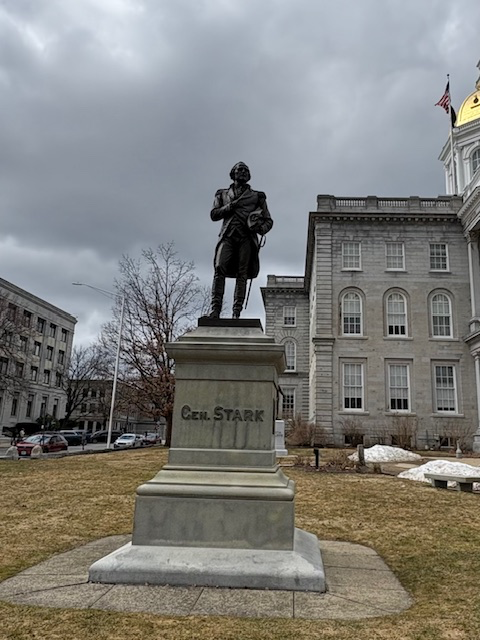
The figure is John Stark, dressed in the uniform of the Revolutionary War, setting him apart from the statesmen and leaders of later generations. His presence takes us back to the beginning, to a time when the country itself was still uncertain.
Stark was born in 1728 in Londonderry, long before Concord became the capital and long before the New Hampshire State House stood here. His early life was shaped by the realities of frontier New England. As a young man, he was captured by Abenaki warriors and later ransomed, an experience that gave him a deeper understanding of both the land and the people who lived on it. These experiences would later define his leadership.
He became one of New Hampshire’s most important military figures during the American Revolution, most notably at the Battle of Bennington in 1777. That victory was a turning point that helped shift momentum in favor of independence.
It was Start who gave New Hampshire it’s enduring motto:
“Live Free or Die: Death is not the worst of evils.”
The monument itself was added to the State House grounds in 1888, part of a broader effort to define hot it wanted to remember the past. Stark represents the fight for independence itself.
Read More From Nancy
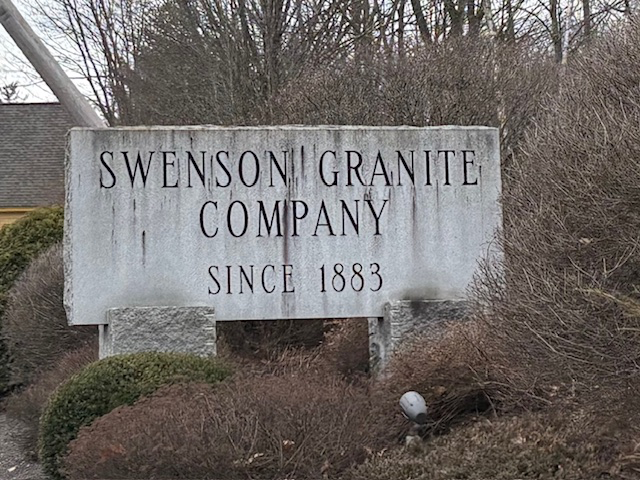
Swenson Granite Company
Founded in 1883, the Swenson Granite Company is one of the enduring industrial stories of Concord. This company helped shape not only the local landscape, but the very monuments and memorials that defined so many towns across New England. The company’s roots are tied to the rich granite deposits of Rattlesnake Hill, just outside Concord. From these […]
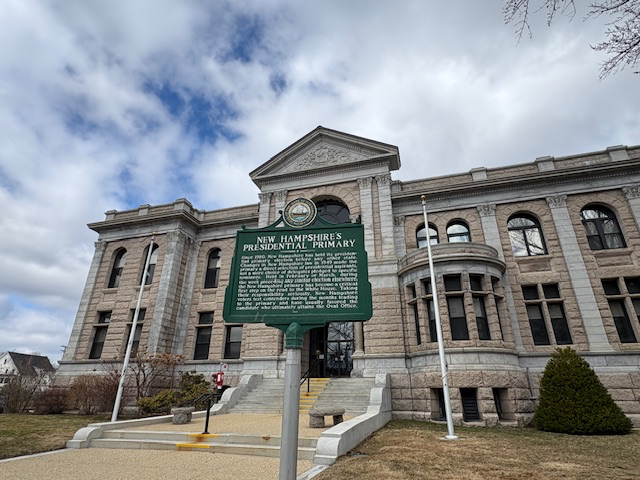
First in the Nation
In front of this stately building in Concord is this simple marker. The sign marks the New Hampshire Presidential Primary, a tradition that has shaped the political landscape of the United States for generations. Since 1920, New Hampshire has held the first primary in the nation, giving its voters a uniquely powerful voice in choosing presidential […]
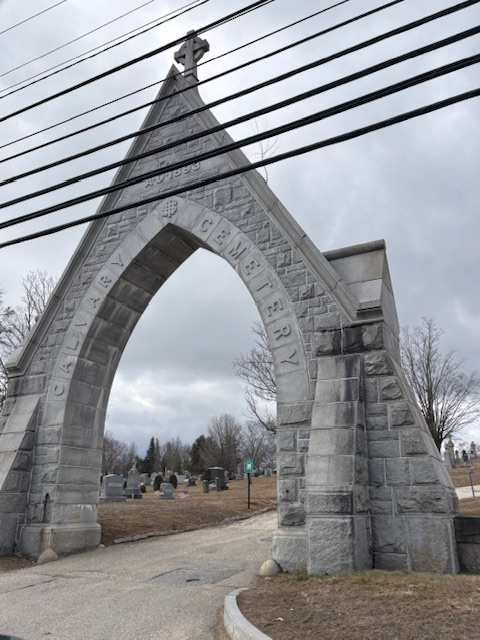
Calgary Cemetery Arch
At the entrance of the older section of Calvary Cemetery in Concord stands a striking granite arch. Carved from the same kind of stone that defines so much of New England, the arch rises with quiet dignity. Its pointed form and cross at the top marks it as a place of faith and remembrance. The arch creates a […]

