Perfection Ballot Box
One of the more intriguing artifacts we encountered in the Historical Museum at the Thayer Memorial Library was a beautifully crafted wooden voting machine known as the “Perfection” Ballot Box. Marked “Commonwealth of Massachusetts, Ballot Box No. 1483, Boston 1905,” the device offered a fascinating glimpse into the mechanics of democracy in the early twentieth century.
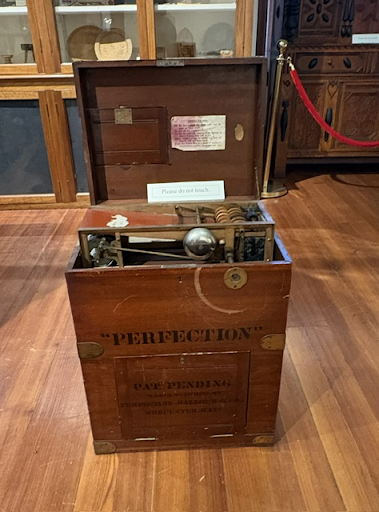
Manufactured by the Automatic Voting Machine Company of Jamestown, New York, the box represented an effort to improve the security and efficiency of elections. Founded in the 1890s, the company became one of the nation’s leading manufacturers of voting equipment during a period when states were seeking to reduce corruption and standardize election procedures. Their machines and ballot boxes were adopted by municipalities across the country and represented some of the most advanced election technology of the era.
The “Perfection” Ballot Box itself was designed with numerous safeguards. Once a ballot was deposited, the mechanism protected it from tampering and ensured that the contents remained secure until the official count. The precision-crafted gears, levers, and compartments reflected the remarkable mechanical ingenuity of the period, when inventors believed that technology could help create more honest and efficient government.
This ballot box would have been in service during a time of profound change in American society. Theodore Roosevelt occupied the White House, the Progressive Era was underway, and debates over women’s suffrage, labor reform, and political corruption dominated public life. Ironically, when this box was manufactured in 1905, women in Massachusetts had not yet gained the right to vote in national elections. Fifteen years later, the ratification of the Nineteenth Amendment would dramatically expand the electorate, and devices such as this would help record those historic votes.
Standing before this remarkable artifact, I was reminded that democracy depends not only on great leaders and historic elections, but also on the ordinary tools and systems that enable citizens to exercise their rights. Preserved within the museum, this humble ballot box serves as a tangible reminder of the continuing effort to make elections secure, fair, and trustworthy.
One particularly fascinating detail is that the box itself was built to last. More than 120 years after it was manufactured, the craftsmanship of the Automatic Voting Machine Company remains evident. Long before electronic voting and computers, these sturdy wooden devices represented the cutting edge of election technology and reflected a deep faith in both engineering and the democratic process.
Read More From Nancy
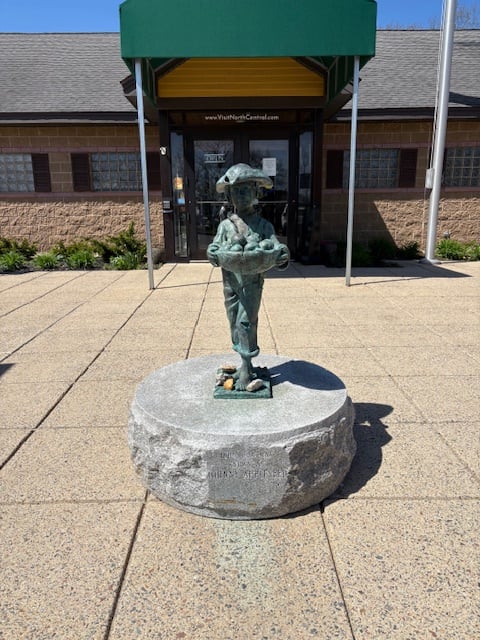
Young Johnny Appleseed
While traveling west on Route 2 through central Massachusetts, I made a stop at the Johnny Appleseed Visitors’ Center in Lancaster. Greeting visitors outside the entrance is this bronze sculpture of a young John Chapman, better known as Johnny Appleseed, one of America’s most enduring folk heroes. Although the visitor center is in Lancaster, it celebrates the […]
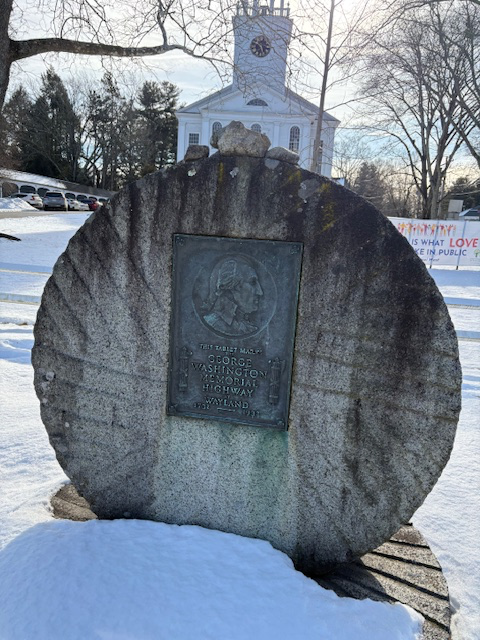
George Washington Marker
Driving through the town of Wayland, there is the round stone monument that sits along the roadside. Unlike grand statues that make historic events, this one is modest, a cylindrical stone pillar with a bronze marker identifying it as part of the George Washington Memorial Highway. The roadside marker reflects an interesting moment in American history when […]
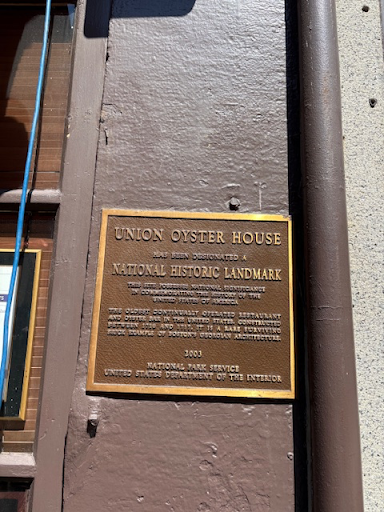
Union Oyster House
Walking along the Freedom Trail in Boston, it is easy to miss the plaque outside the Union Oyster House. But if you pass it by, you are missing not only a good meal, but an extraordinary chapter in American history. The Union Oyster House is the oldest continuously operating restaurant in the United States, serving diners […]

