Norman Rockwell Museum
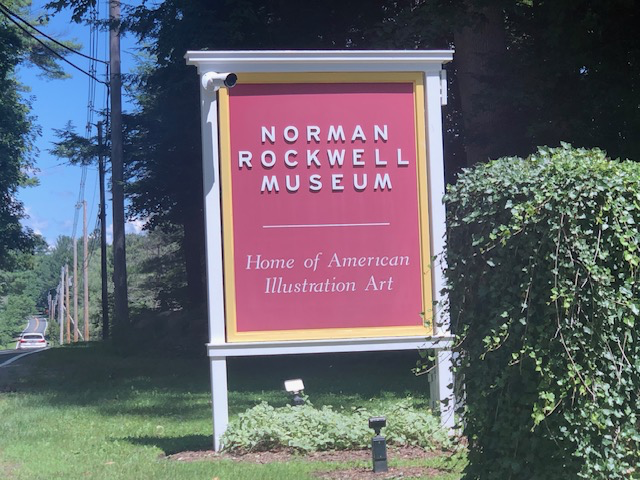
I love returning to the Norman Rockwell Museum in Stockbridge. The museum holds the world’s largest collection of Rockwell’s work, along with changing exhibitions that examine American illustration and the artists who used pictures to tell stories. Because the special exhibitions change, each visit offers something different, even when the familiar paintings remain the reason for returning.
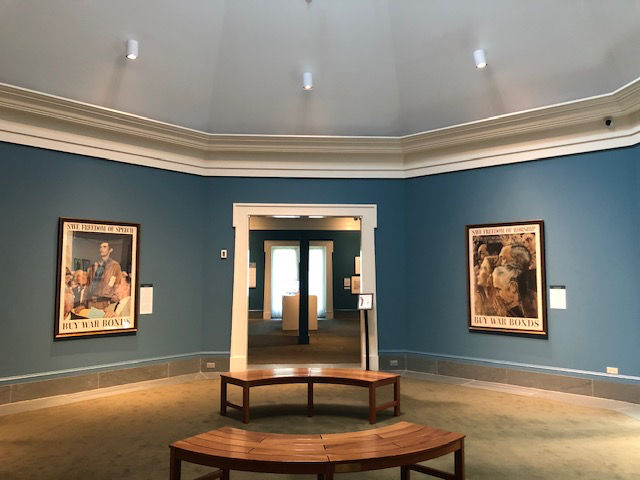
Among the museum’s most meaningful works are Rockwell’s Four Freedoms: Freedom of Speech, Freedom of Worship, Freedom from Want, and Freedom from Fear. Inspired by President Franklin D. Roosevelt’s 1941 address to Congress, Rockwell translated four broad democratic ideals into scenes of ordinary American life. Published in The Saturday Evening Post in 1943, the paintings were later taken on a national tour that helped raise millions of dollars for war bonds.
Seeing the original paintings is very different from seeing their familiar reproductions. Their size, detail, and carefully observed faces reveal how Rockwell transformed everyday people and surroundings into images that communicated ideas understood across the country. The paintings were created during wartime, but the questions they raise about freedom, security, tolerance, and civic responsibility remain relevant.
Another highlight is walking through Rockwell’s actual studio. He worked in the building during the final decades of his career, and it was later moved to the museum grounds and preserved. Inside are his easel, brushes, paints, furnishings, books, photographs, and many of the ordinary objects that surrounded him while he worked. Entering the studio makes it easier to imagine Rockwell developing his ideas, arranging models, studying expressions, and building a story one carefully considered detail at a time.
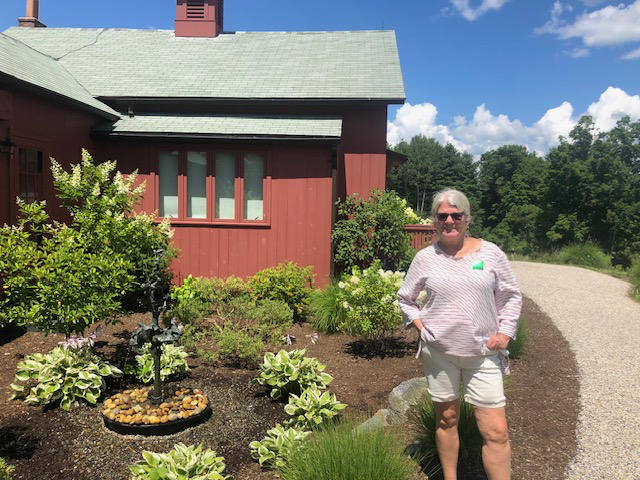
The Norman Rockwell Museum preserves more than the finished paintings. Through its galleries, changing exhibitions, landscaped grounds, and Rockwell’s studio, it offers an opportunity to understand how an illustrator observed American life and turned those observations into stories that continue to speak to us.
Read More From Nancy
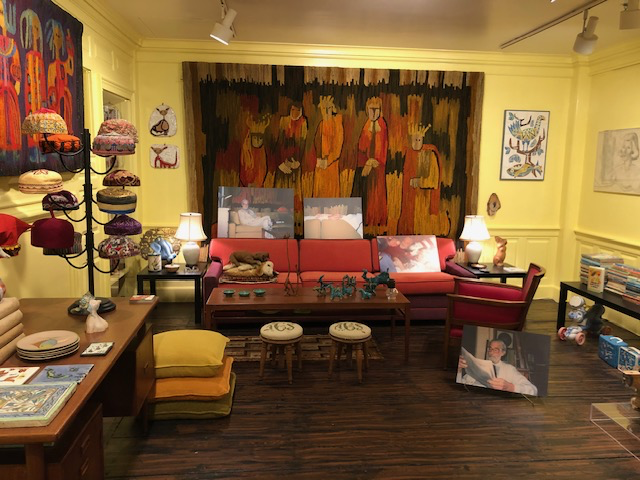
The Man Behind Dr. Seuss
Upstairs in The Amazing World of Dr. Seuss Museum, the colorful characters and interactive exhibits give way to something more personal. Here, rooms from Theodor Geisel’s California home and studio have been recreated using his actual furniture, artwork, books, drawing materials, and personal possessions. These are not the original rooms moved intact from California but […]
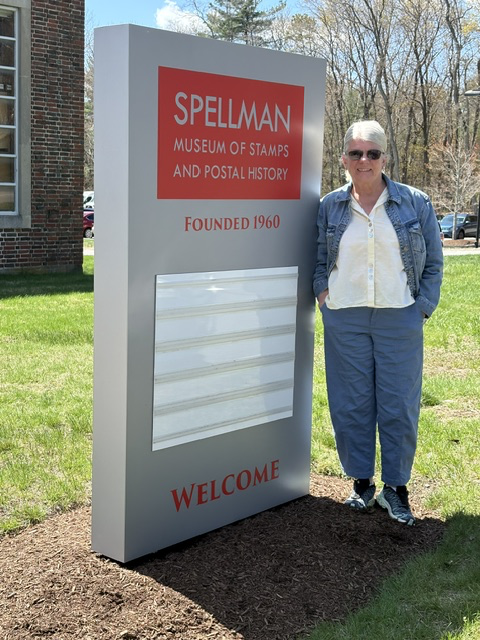
The Spellman Museum of Stamps & Postal History
Tucked onto the campus of Regis College in Weston is a museum unlike almost any other: the Spellman Museum of Stamps & Postal History. Founded in 1960, the museum is devoted to stamps, postal history, and the many stories that can be discovered through something as small as a postage stamp. My connection to the […]
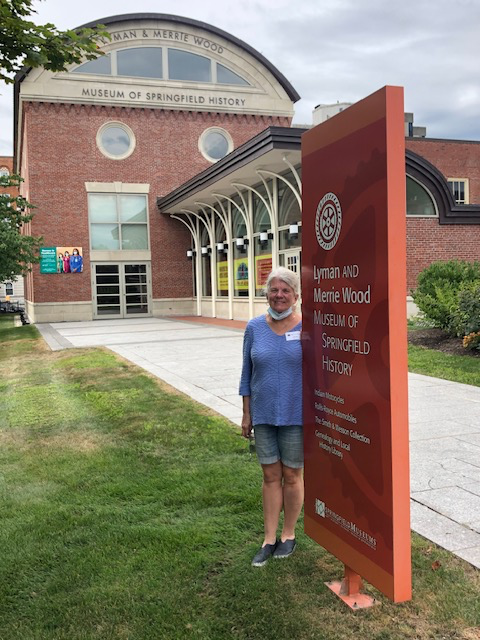
The Lyman and Merrie Wood Museum
Springfield has a remarkable number of stories to tell about things made here. Motorcycles, automobiles, dictionaries, games, and precision machinery all came from a city whose workers and inventors shaped life far beyond western Massachusetts. When we visited the Lyman and Merrie Wood Museum of Springfield History, we found a place built to bring those […]

