Needham’s Temperance Societies
An ornate Sons of Temperance charter preserved at the Needham History Center & Museum records a local chapter in a national reform movement. Behind its decorative lettering was a campaign concerned with alcohol’s effects on families, livelihoods, and community life.
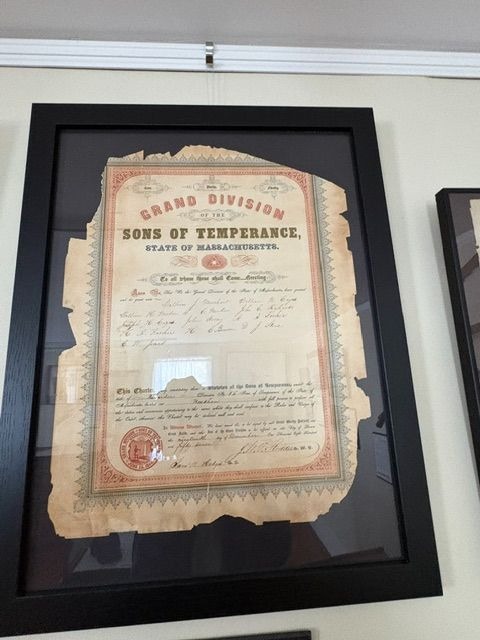
The Needham Temperance Society was founded in 1830. According to the museum’s exhibit, it had 209 members the following year, including 135 women. Through meetings and lectures, members encouraged changes in drinking habits at a time when alcohol consumption was widespread.
For many women, temperance addressed urgent practical concerns. A husband’s drinking could consume household income and contribute to violence, while wives had limited legal and financial independence. Organizing through churches and reform societies gave women opportunities to advocate for their families and participate in public life.
In 1857, Needham established Division Number 15 of the Sons of Temperance, a men’s society founded on a pledge of abstinence. A local branch of the Woman’s Christian Temperance Union followed in 1886, connecting the town with a broader movement that linked temperance with other social reforms.
The campaign’s influence lasted well beyond national Prohibition. Although federal repeal came in 1933, Needham maintained local restrictions on alcohol sales into the 1960s. The museum also records an active local WCTU chapter continuing into the 1970s.
The charter preserves the formal identity of one organization, but its larger story concerns generations of residents who sought to change community behavior. Their efforts brought questions about private conduct, family welfare, and government regulation into the center of public debate.

Read More From Nancy
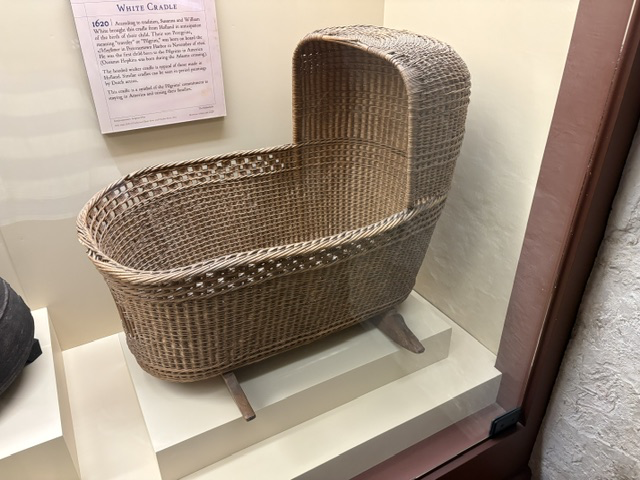
The White Cradle
Among the objects we encountered while exploring Plymouth was this simple wicker cradle. According to tradition, it belonged to Susanna and William White and was brought with them from Holland when they sailed aboard the Mayflower in 1620. Susanna White was pregnant during the Atlantic crossing. The Mayflower left Plymouth, England, in September with more […]
Haffenreffer Walk
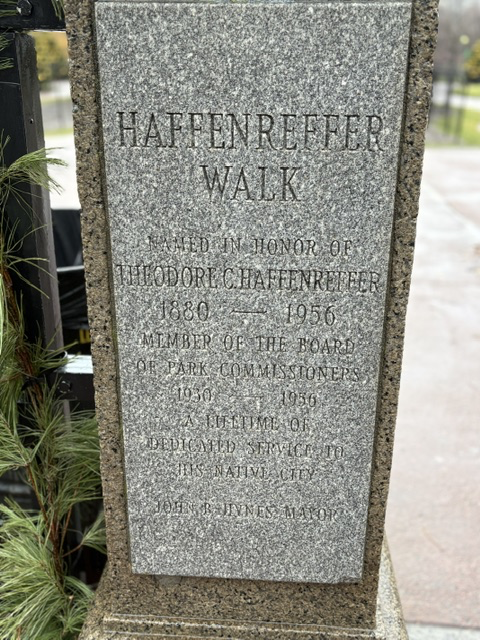
While walking through the Boston Public Garden, I noticed this granite marker identifying Haffenreffer Walk. The inscription says that the walkway was named for Theodore Haffenreffer, 1880–1956, who served on Boston’s Board of Park Commissioners from 1930 until his death in 1956—a remarkably long period of service to the city’s parks. Haffenreffer was also part […]
The French King Bridge
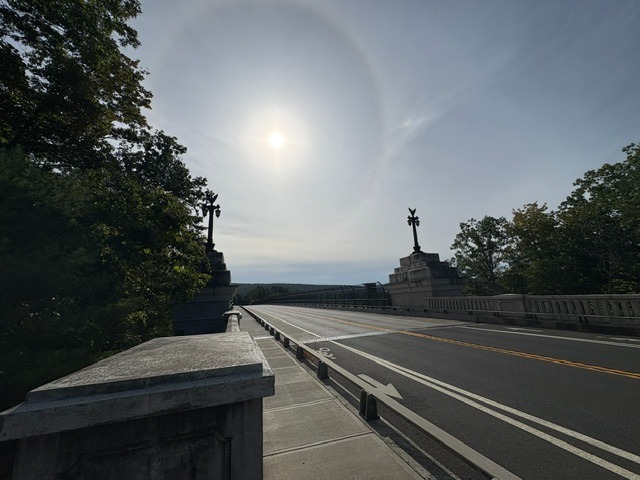
Driving west along Route 2, I stopped at the French King Bridge mainly for the view. Below, the Connecticut River curved between wooded banks, with hills stretching into the distance. The setting was magnificent, but the bridge itself, with its substantial stone approaches and ornamental lamps, gave me another reason to pause. Opened on September […]

