Lest We Forget
Set into a simple boulder, this plaque in Sandwich commemorates those who made the supreme sacrifice while serving their country at sea and who now rest beneath the waves. Dedicated in 1968 by the people of Sandwich, it remembers men and women whose lives were lost far from home and whose remains were never returned to their families.
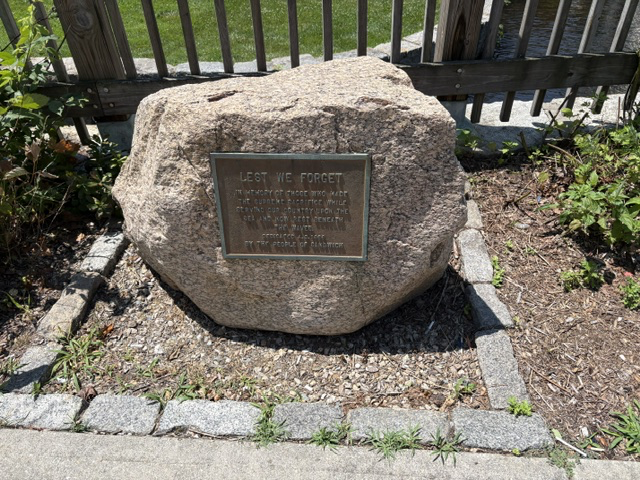
The memorial is especially meaningful in a Cape Cod community whose history has always been closely connected to the sea. For generations, the waters surrounding the Cape provided livelihoods, carried ships to distant ports, and called local men and women into naval and maritime service. Yet the sea that sustained these communities could also become a final resting place.
Unlike monuments that list individual names or identify a particular war, this memorial speaks collectively for all those lost at sea while serving the country. Its rough stone, modest plaque, and quiet location reflect the solemn simplicity of its message.
The words “Lest We Forget” ask each generation to remember not only those who died, but also the families who were left without a grave to visit. This stone gives them a permanent place of remembrance on land, facing a community that has long understood both the promise and the dangers of the sea.
Read More From Nancy
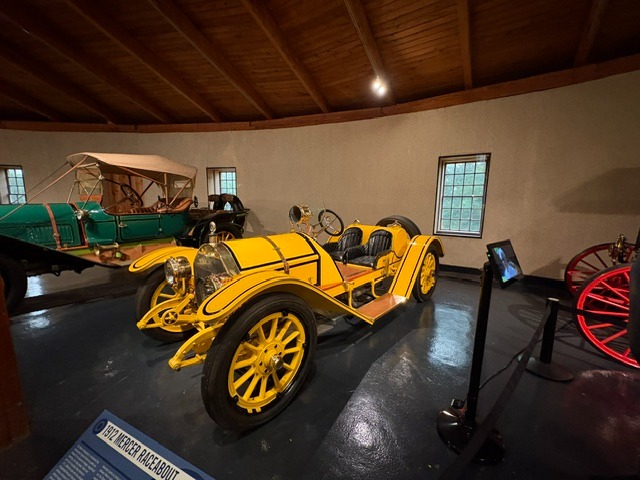
The 1912 Mercer Raceabout
With its bright yellow body, exposed seats, and minimal protection from the weather, the 1912 Mercer Raceabout at Heritage Museums & Gardens makes its purpose clear. This was a car designed around the experience of driving, with little separating its occupants from the road. Manufactured in Trenton, New Jersey, the Raceabout earned a reputation for […]
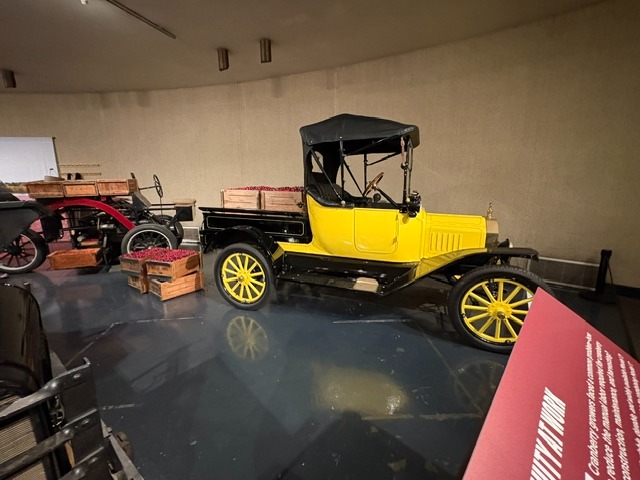
Working the Cranberry Bogs
The small locomotive and tip cart at Heritage Museums & Gardens introduce a practical side of cranberry growing: moving heavy materials across the bogs. Beyond picking berries, growers needed to build and maintain beds, transport supplies, and move their crop toward markets. Small industrial railways helped meet those needs. Temporary tracks allowed equipment to reach […]
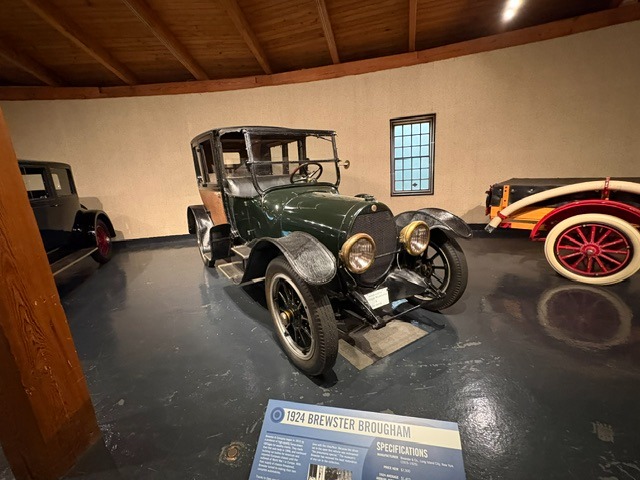
The 1924 Brewster Brougham
The 1924 Brewster Brougham at Heritage Museums & Gardens carries the traditions of luxury carriage making into the automobile age. Its upright passenger compartment, decorative bodywork, and separate chauffeur’s position reveal how established ideas about comfort and status influenced early motoring. Brewster & Company began making fine horse-drawn carriages in 1810 and produced its first […]

