Hunnewell Playground
On my walks along Pleasant Street in South Natick, there is a large granite stone carved with these simple, bold words:
“Hunnewell Playground – 1902”
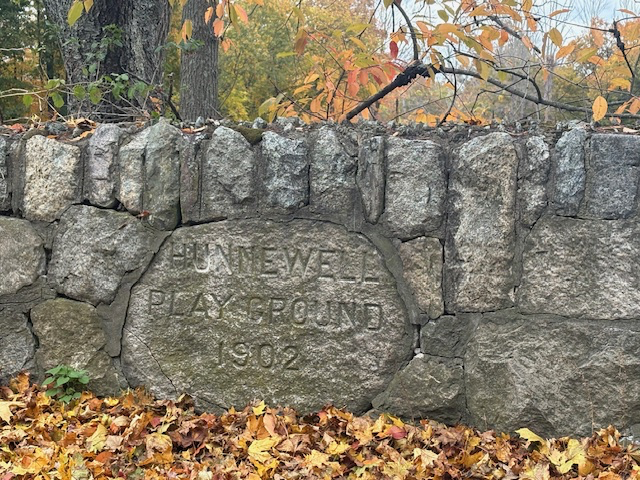
This stone holds a story of public generosity in Natick. The name Hunnewell carries deep roots in this region. The Hunnewell family, whose estate spread across Wellesley and into parts of South Natick, were known for their horticulture, architecture. philanthropy and a long history of preserving green space.
At the dawn of the 20th century, towns across America were beginning to recognize the importance of public recreation for children. The Hunnewells chose to donate this parcel of land to the Natick village. Their intention was to create a place where families could gather and for children to play. This was done at a time when playgrounds were not commonplace.
For more than 120 years, the Hunnewell Playground has served exactly the purpose for which it was given. The carved stone remains a physical reminder of the thoughtful planning and generosity that helped shape South Natick.
Read More From Nancy
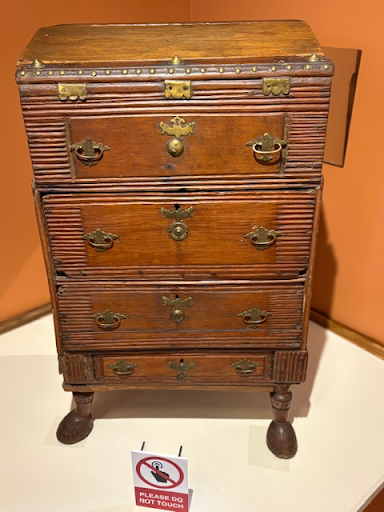
Daniel Takawampit
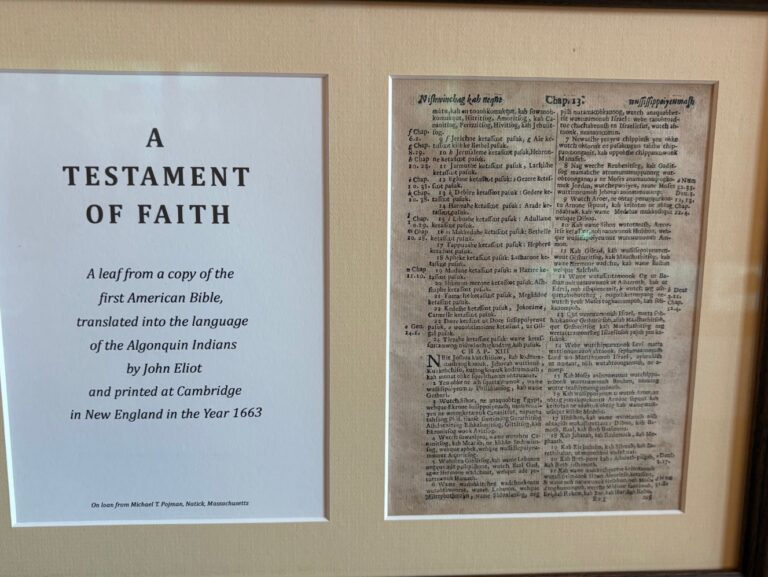
Daniel Takawampbit, an Algonquian leader, stands as one of the most extraordinary and overlooked figures in New England’s Colonial past. He was the first Natick American ordained as a Puritan minister, the student and successor of John Eliot, and a spiritual guide to the Praying Indian community of Natick during some of the most challenging […]
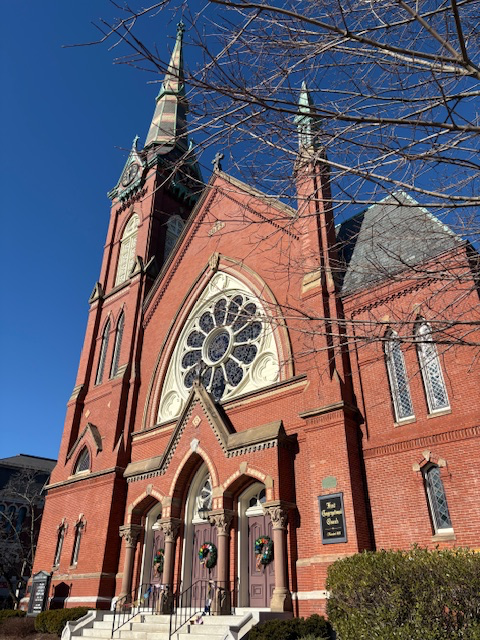
First Congregational Church in Natick
The church stands prominently in downtown Natick. This is the seventh meeting house of the Natick’s First Church, a congregation established in 1651 by John Eliot. Reverend Eliot was a Puritan missionary known as the “Apostle to the Indians” Worship in those earliest years was conducted largely in the Algonquian language, and the meetinghouse stood at the center […]
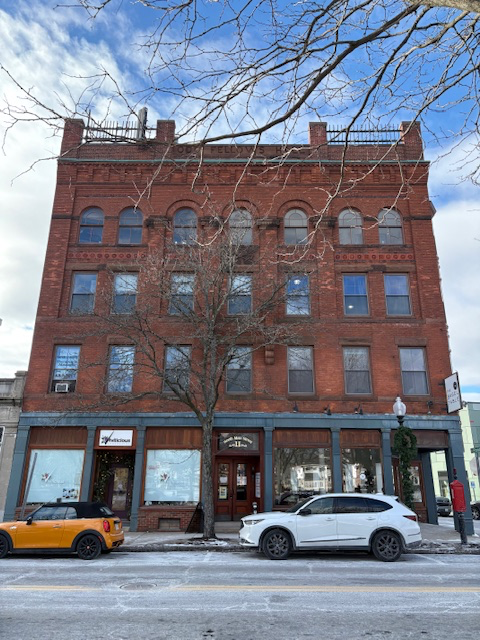
Odd Fellow Building – 1887 – Natick
In downtown Natick, there is this brick building marked “Odd Fellow Building – 1887”. This building was purposely built as the home of the local lodge of the Independent Order of Odd Fellows, one of the most influential fraternal organizations in 19th century America. Completed in 1887, the building was designed from the outset to serve two […]

