Historic Deerfield
Our visit to Historic Deerfield brought us into a village where preserved houses and household objects help tell the history of New England. Walking among these buildings offered an opportunity to consider how people lived, what they valued, and how their homes changed over time. The tour also introduced us to the conflicts that shaped the community before many of these houses were built.
Deerfield was established within the ancestral homeland of the Pocumtuck people. On February 29, 1704, during Queen Anne’s War, a force of French soldiers, Canadian militia, and Native allies attacked the English settlement. Residents were killed, houses were burned, and 112 people were taken captive on a winter journey toward Canada. Some eventually returned; others remained in French or Native communities. The raid became a defining event in Deerfield’s history, but the village continued to rebuild and grow.
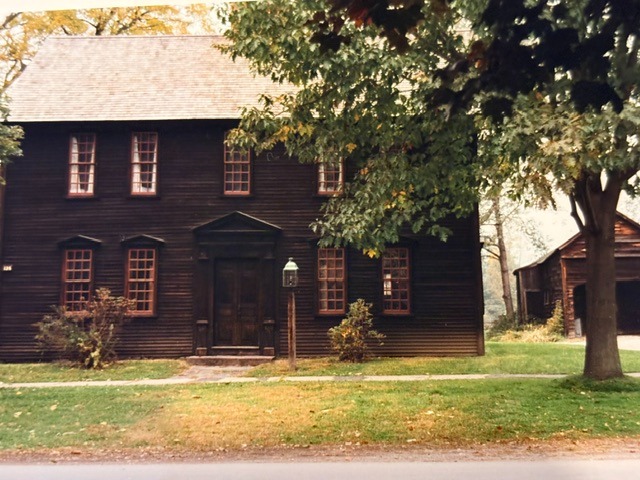
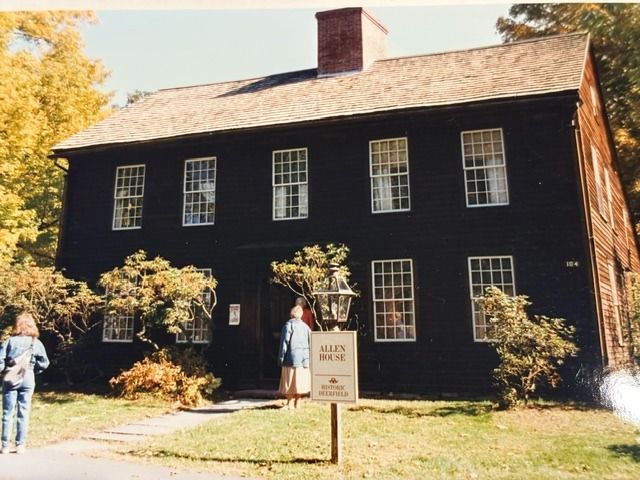
The houses we visited represent those later generations. The Allen House, built in 1734, connects eighteenth-century Deerfield with the twentieth-century effort to preserve it. Henry and Helen Flynt renovated the house in 1945 and used it as their residence during stays in the village. Its rooms retain their furnishings and personal belongings, bringing the lives of the museum’s founders into the history they worked to preserve. Their collections included New England furniture, needlework, ceramics, and pewter.
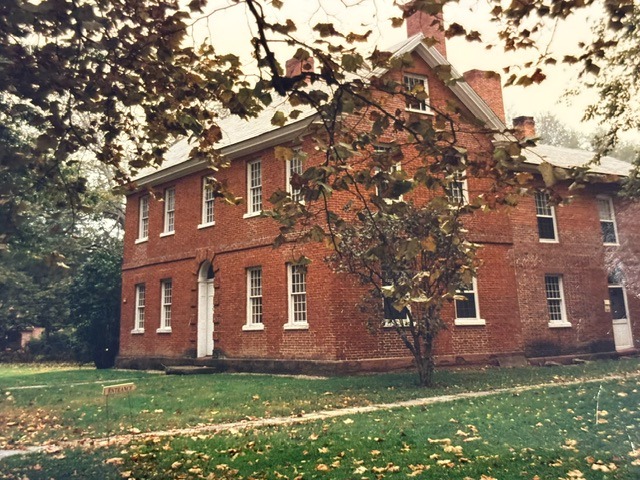
The Ashley House, also built in 1734, introduces the household of Reverend Jonathan Ashley, Deerfield’s eighteenth-century minister. In the 1750s, he added an elaborate doorway, a central staircase, and fine interior paneling. Cherry and mahogany furniture, imported ceramics, and textiles reflected both his social standing and the village’s connections with wider trade networks. The house helps explain the influence of ministers within the interconnected religious, political, and commercial leadership of the Connecticut River Valley.
The Asa and Emelia Stebbins House presents a different chapter. Built in 1799, it was Deerfield’s first brick house. Asa Stebbins, a prosperous farmer and mill owner, chose a design that departed from the earlier wooden houses with their prominent pedimented doorways. Its Federal architecture and neoclassical decoration reflected changing tastes after the American Revolution, when ancient Greek and Roman designs influenced American buildings and furnishings.
These houses survived in part because later generations recognized their importance. The Flynts first became acquainted with Deerfield through Deerfield Academy and went on to purchase and restore numerous buildings between 1942 and 1962. The Ashley House became their first restoration opened to the public in 1948. Their collecting and preservation efforts developed into a museum where buildings and objects could be studied together.
Together, the houses offer several perspectives on the village: a minister’s household, a successful farmer’s residence, and the home of the collectors who helped preserve them. Learning about the earlier attack added context to what we saw, while the buildings revealed the community’s continuing life. Our visit brought those layers together through the architecture, possessions, and personal histories that remain.
Read More From Nancy
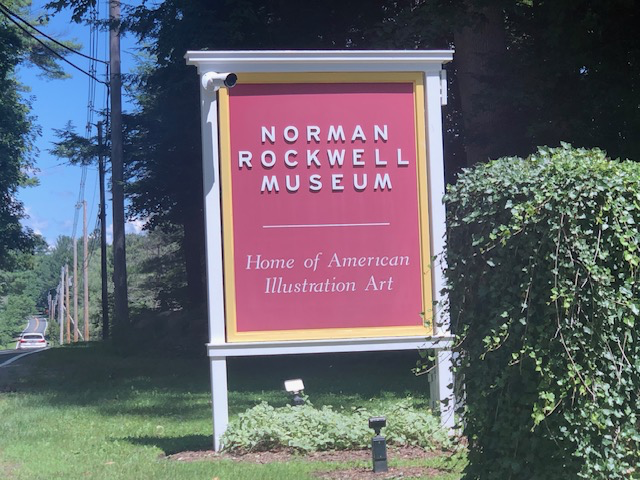
Norman Rockwell Museum
I love returning to the Norman Rockwell Museum in Stockbridge. The museum holds the world’s largest collection of Rockwell’s work, along with changing exhibitions that examine American illustration and the artists who used pictures to tell stories. Because the special exhibitions change, each visit offers something different, even when the familiar paintings remain the reason […]
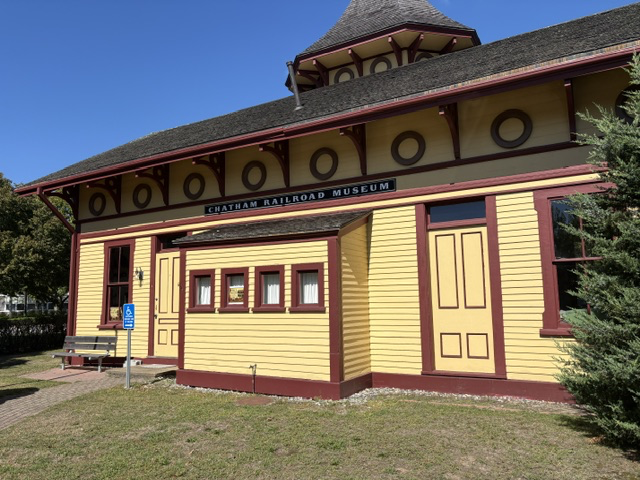
Chatham Railroad Museum
For much of the nineteenth century, Chatham’s location at the southeastern end of Cape Cod made travel and commerce difficult. Residents depended upon coastal vessels, horse-drawn transportation and long overland journeys to reach other communities. Although railroads began serving other parts of Cape Cod earlier in the century, Chatham waited decades for a direct connection. […]
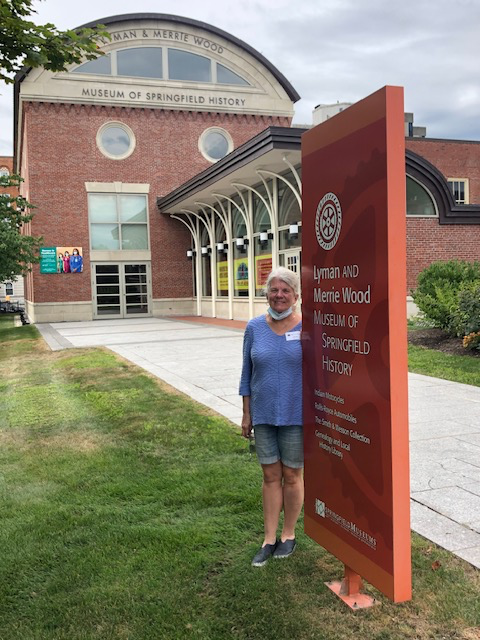
The Lyman and Merrie Wood Museum
Springfield has a remarkable number of stories to tell about things made here. Motorcycles, automobiles, dictionaries, games, and precision machinery all came from a city whose workers and inventors shaped life far beyond western Massachusetts. When we visited the Lyman and Merrie Wood Museum of Springfield History, we found a place built to bring those […]

