Guilford Courthouse National Military Park
One of the great privileges of traveling across the United States has been visiting our National Parks. While many people immediately think of spectacular mountains, canyons, or seashores, the National Park Service also preserves places where the course of American history was changed. Guilford Courthouse National Military Park in Greensboro, North Carolina, is one of those places.
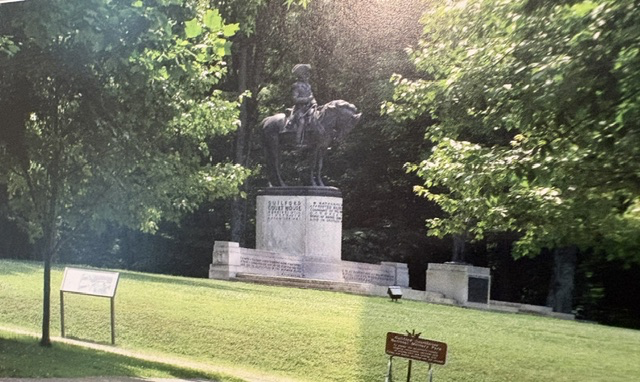
Established in 1917 as one of the nation’s earliest battlefield parks, the park preserves much of the ground where the Battle of Guilford Courthouse was fought on March 15, 1781. Today, wooded trails, interpretive exhibits, monuments, and reconstructed landscapes allow visitors to walk across terrain where one of the most important battles of the American Revolution unfolded.
The battle itself was the largest and most fiercely contested engagement of the Revolutionary War’s Southern Campaign. Major General Nathanael Greene commanded approximately 4,500 American militia and Continental soldiers against about 1,900 veteran British troops under Lieutenant General Charles Cornwallis.
When the fighting ended, Cornwallis occupied the battlefield and claimed victory. Yet it was a victory that came at an enormous cost. Nearly one-quarter of his experienced army had been killed, wounded, or captured. The losses were so severe that the British commander could no longer continue an aggressive campaign in the Carolinas.
Standing before the monument to General Nathanael Greene, I was reminded that leadership is often measured by more than immediate results. Greene understood that defeating the British did not necessarily require winning every battle. His strategy was to wear down Cornwallis’s army, forcing it farther from its supply lines while inflicting losses that could not easily be replaced. Guilford Courthouse was the culmination of that strategy.
Rather than pursuing Greene after the battle, Cornwallis marched to Wilmington to resupply before moving north into Virginia. Seven months later, his exhausted army was surrounded at Yorktown, where he surrendered to General George Washington and the combined American and French forces. Looking back, historians recognize Guilford Courthouse as one of the decisive turning points that made Yorktown possible.
One of the lessons I carried away from Guilford Courthouse is that history is not always determined by who holds the battlefield at the end of the day. Sometimes the true significance of an event is revealed only by what follows. Greene lost the battle, but his leadership helped secure the campaign that ultimately won American independence.

Read More From Nancy
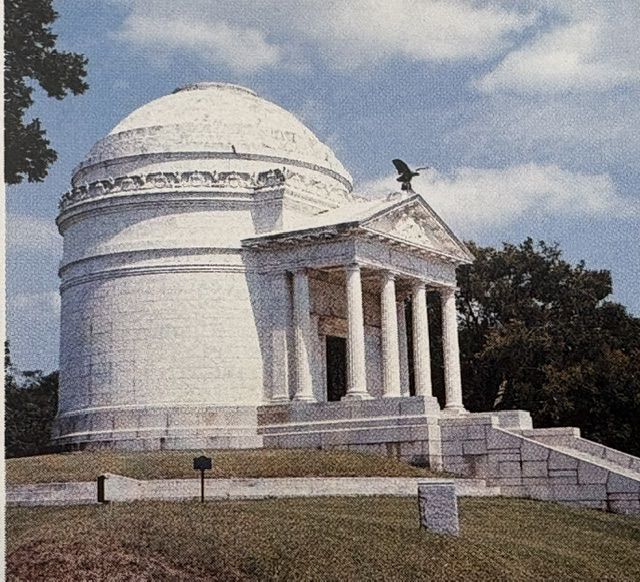
Vicksburg National Military Park
The campaign for Vicksburg was one of the most decisive military operations of the Civil War. Perched high above a bend in the Mississippi River, Vicksburg controlled movement along the nation’s most important waterway. Its formidable defenses earned it the name “Gibraltar of the Confederacy”. As long as the city remained in Confederate hands, the […]
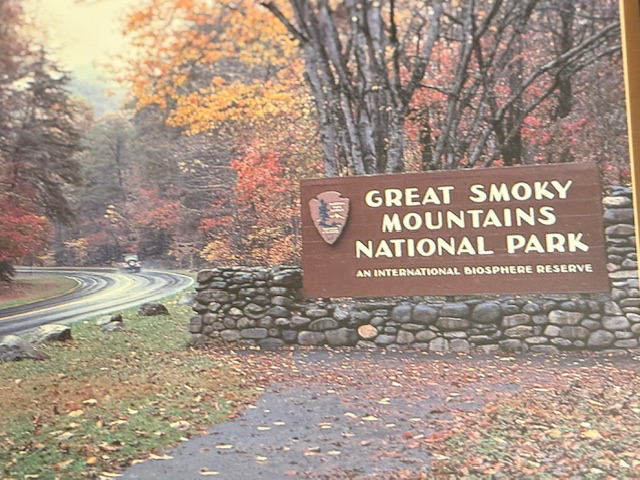
Great Smoky Mountains National Park
The Great Smoky Mountains National Park is another special national park, one that holds some of my fondest memories. It was here that Marty and I traveled for our first honeymoon, after our student wedding while still at Life University. I have visited again since then, but it is that first trip, exploring this beautiful area […]
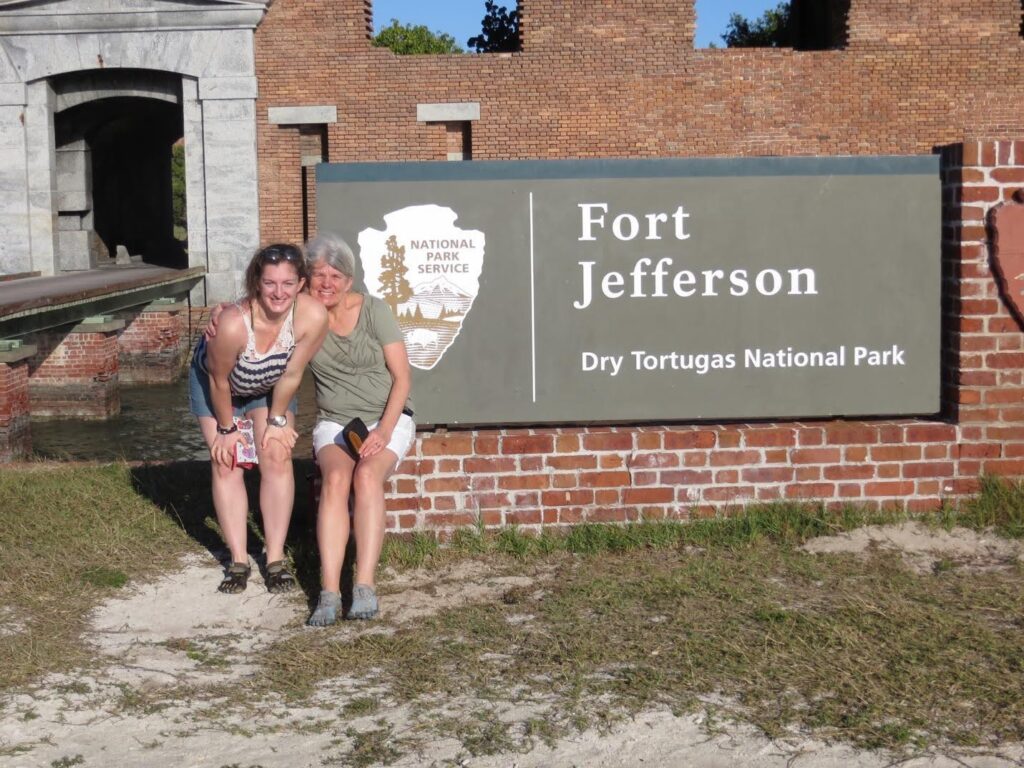
Dry Tortugas National Park
What an adventure it was to reach Fort Jefferson in the Dry Tortugas. I made this journey with Erin in 2012, as a way to celebrate our birthdays. This was an unforgettable trip to one of the most remote places in the National Park System. Located about 70 miles west of Key West, the Dry Tortugas sit […]

