Golden Ball Tavern
There are places you come across because you are looking for them. These are places where the story is still present if you take the time to stand and listen. The Golden Ball Tavern Weston is one of these places.
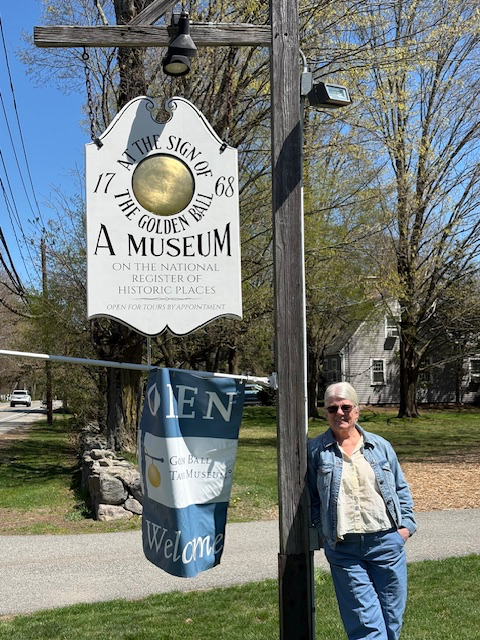
Built in 1768 along the Boston Post Road, the tavern was established by Isaac Jones, a successful merchant and a committed Loyalist. At a time when Massachusetts was moving toward revolution, Jones stood firmly aligned with the British Crown. That decision would define his life and the legacy of this house.
The tavern itself was part of the lifeblood of colonial travel. The Boston Post Road connected communities from Boston to New York, and inns like this one provided food, rest and a place to exchange news. While nearby towns became centers of Patriot activity, The Golden Ball was a place where loyalty to Britain was spoken openly.
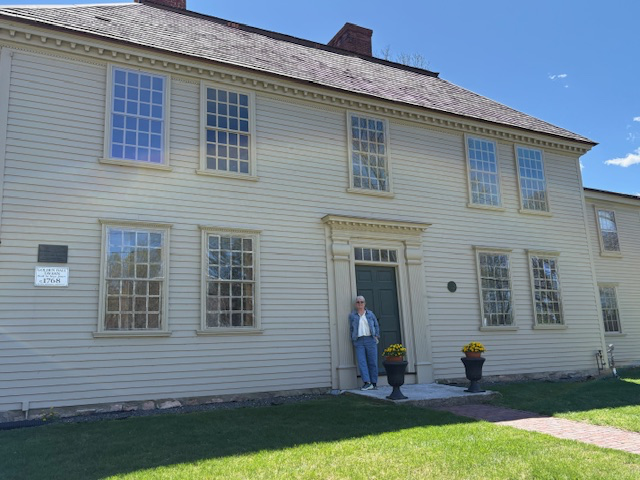
That loyalty came at a cost. In 1774, in the aftermath of the Boston Tea Party, Patriots were no longer debating independence, they were demanding allegiance. A group of local men came to this tavern to confront Isaac Jones directly. They challenged his position and demanded that he renounce his loyalty to the Crown.
Jones ultimately signed a statement supporting the Patriot cause. Whether this reflected a true change of belief or an act of protection for his family and property, it tells us something about his period in history. The Revolution was not just fought between armies it was lived within communities and families.
The Jones family remained in Weston after the war, unlike many Loyalists who left for Canada or England. The building continued to serve the community and eventually became a private home and now a preserved historic site.
The Golden Ball Tavern tells a story not always heard. It reminds us that the road to independence was not a single path. There were those who resisted change, who believed in a different future, and who faced the consequences of holding that belief.
Here is a place where conviction met pressure, where a family navigated one of the most uncertain times in American history, and where the Revolution revealed itself not only as a fight for freedom, but a personal and difficult choice.
Read More From Nancy
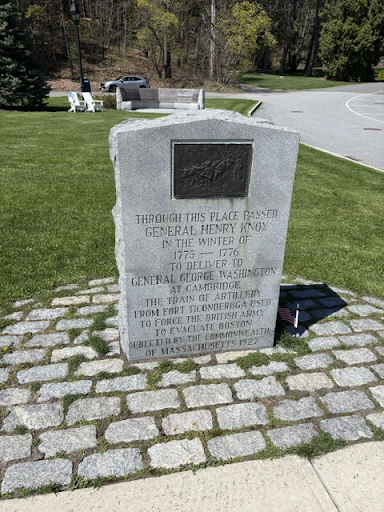
Henry Knox Trail Marker
As I continue to travel through eastern Massachusetts, I have made it a personal tradition to stop whenever I encounter one of the Henry Knox Trail markers. Although each monument commemorates the same remarkable journey, every marker represents another community through which Knox and his artillery train passed during the winter of 1775–1776. This marker […]
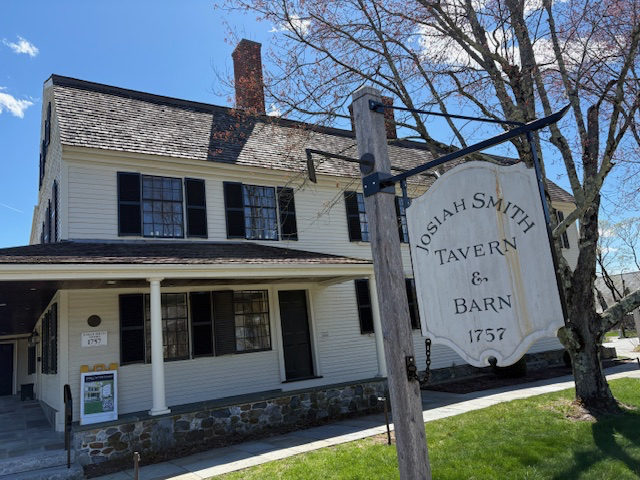
Josiah Smith Tavern
The Josiah Smith Tavern in Weston is not just a single historic building, but a location on one of the most important early roads in America: The Boston Post Road. Established in the 1600s and formalized in the early 18th century, the Boston Post Road connected Boston to New York and served as the main […]
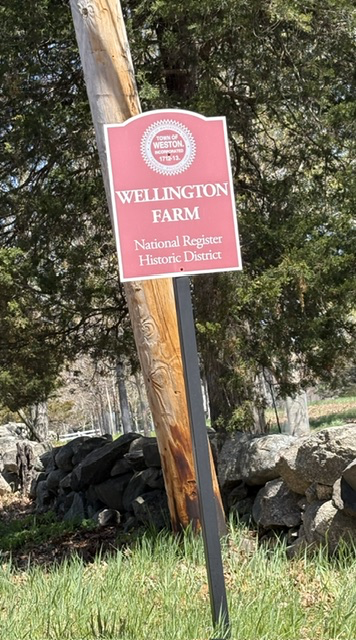
Wellington Farm
I have driven by this sign on Wellesley Street countless times over the years. I noticed it often enough, but I never stopped to ask what it meant. “Wellington Farm Historic District” sounded important, yet there was no grand mansion, famous monument, or obvious attraction drawing attention to itself. It was simply another sign along […]

