Friendship Hill National Historic Site
During our travels through southwestern Pennsylvania, we visited Friendship Hill National Historic Site, the country estate of Albert Gallatin. Gallatin was one of the most influential figures in the early history of the United States. Born in Switzerland, he immigrated to America and rose to become Secretary of the Treasury under Presidents Thomas Jefferson and James Madison, serving from 1801 to 1814, the longest tenure in that office in the nation’s history.
Gallatin’s contributions to the young republic were enormous. He helped finance the Louisiana Purchase, reduced the national debt, promoted roads and canals that would bind the country together, and later played a key role in negotiating the Treaty of Ghent, which ended the War of 1812. Although his name is not as widely recognized as those of the presidents he served, his influence on the financial and diplomatic foundations of the United States was profound. Some historians have even referred to him as “America’s Forgotten Founding Father.”
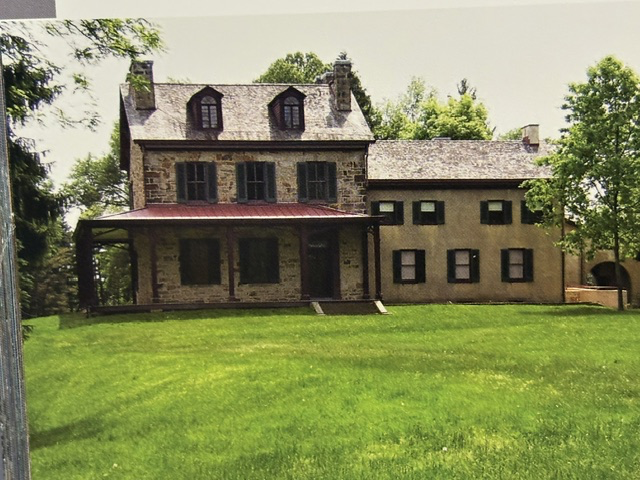
Beginning in 1788, Gallatin assembled Friendship Hill overlooking the Monongahela River near present-day Point Marion, Pennsylvania. Over time, the home evolved through several additions into an elegant country retreat where he and his family sought refuge from the demands of public life. After Gallatin’s death, the estate passed through many owners and underwent numerous changes before being acquired by the National Park Service. Friendship Hill was established as a National Historic Site in 1978 by President Jimmy Carter.
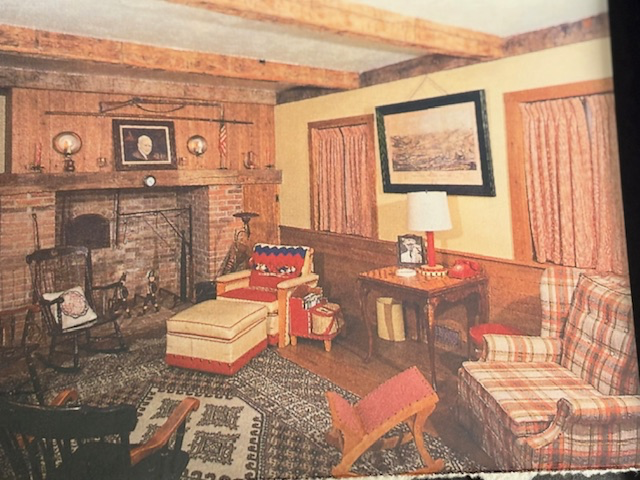
One thing I remember most about our visit was that the house was not lavishly furnished. In fact, parts of it seemed somewhat sparse and even a bit worn. Unlike many historic homes that are carefully restored with period furnishings, Friendship Hill reflected the reality that little of Gallatin’s original furniture survived and that the house had experienced many years of alteration and neglect before preservation efforts began. Rather than creating an elaborate museum setting, the National Park Service focused on preserving the structure itself and telling the story of the remarkable man who once lived there.
Albert Gallatin’s genius for finance and diplomacy helped secure the future of the young republic, yet his legacy is preserved in a quiet country estate overlooking the Monongahela River. Friendship Hill stands as a tribute to one of America’s most important, though often overlooked, statesmen.