Harriet Tubman Underground Railroad National Historical Park
The drive to Maryland’s Eastern Shore during a trip to Washington, DC became far more meaningful when we made a side journey to Harriet Tubman Underground Railroad Visitor Center. Some historic sites teach you facts, while others leave you standing quietly, reflecting on the courage and strength of the people connected to that place. This was one of those places.
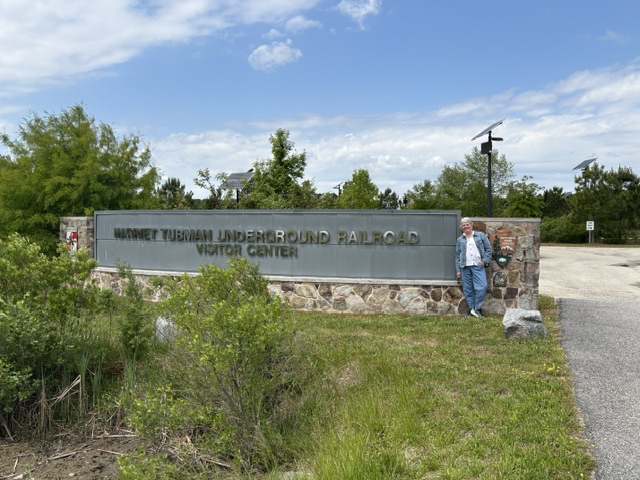
Harriet Tubman is one of the most extraordinary figures in American history. Born into slavery in Dorchester County, Maryland around 1822, she escaped bondage and then repeatedly returned to the South to guide others to freedom through the Underground Railroad. Despite enormous danger, she risked her life again and again, leading dozens of enslaved people northward while becoming a symbol of courage, determination, faith and sacrifice.
What makes visiting this area so powerful is that the landscape itself still feels connected to her story. The marshes, waterways, forest and open rural spaces help visitors understand both the isolation of the region and the challenges faced by those seeking freedom. Standing there, it becomes easier to imagine the risks Harriet Tubman took as she navigated these roads and waterways under the cover of darkness.
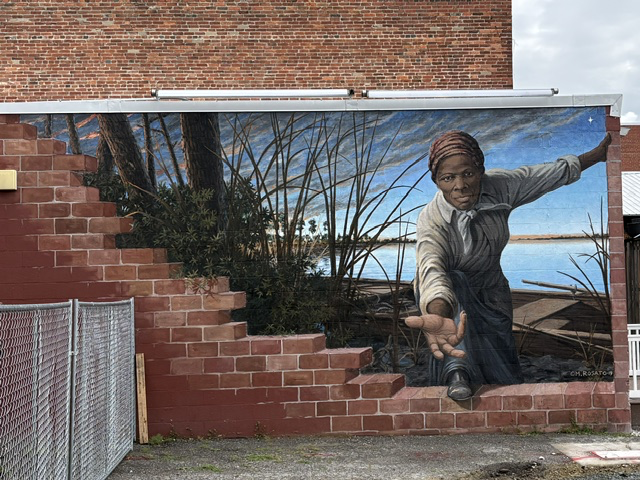
The visitor center and surrounding parklands preserve and interpret the places associated with her early life and her work on the Underground Railroad. The exhibits do an excellent job placing her story within the larger history of slavery, abolition, resistance and freedom in America. Rather than presenting Harriet Tubman as a distant historical figure, the site brings forward the human qualities that made her remarkable life: Faith, Resilience, Intelligence, Leadership and an unwavering Commitment to helping others.
The Harriet Tubman Underground Railroad National Historical Park was established as part of the National Park System in 2013 by President Barack Obama. The park was created to preserve the landscaped and historical sites connected to Tubman’s life on Maryland’s Eastern Shore and to ensure that future generations could better understand both her story and the larger struggle for freedom in the United States.
Traveling to national parks and historic sites often adds depth to my journey, but this stop felt especially important. Harriet Tubman’s life reminds us that history is not only shaped by presidents or armies, but also by individuals whose courage and convictions change the course of humanity. Leaving the park, I found myself thinking not only about the hardships she endured, but also about the strength of spirit required to continually risk everything for the freedom of others.
Some places stay with me long after I leave. This was one of them.
Read More From Nancy
Monocacy National Battlefield
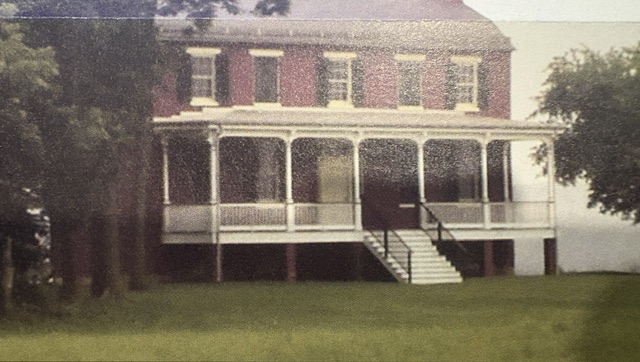
On July 9, 1864, Union and Confederate forces met along the Monocacy River near Frederick, Maryland. The battle formed part of the third and final Confederate invasion of the North. Lieutenant General Jubal A. Early hoped to threaten Washington, D.C., draw Union troops away from Virginia and possibly influence the approaching presidential election. After learning […]
Appalachian Trail
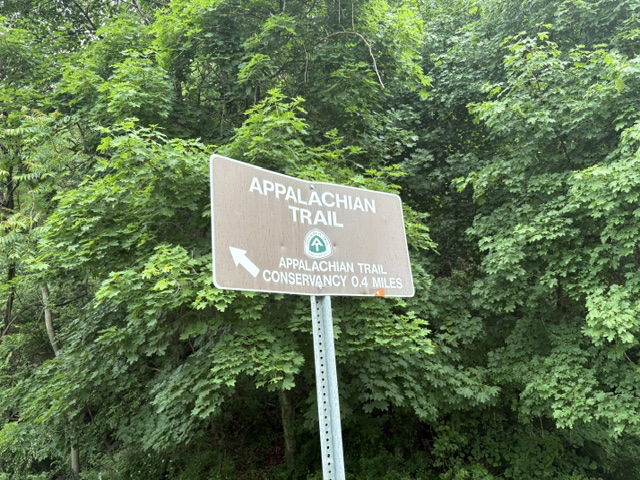
I took this photo in Harpers Ferry, West Virginia, an important landmark along the Appalachian Trail. This sign marks a pathway that stretches nearly 2,200 miles from Mount Katahdin in Maine to Springer Mountain in Georgia, making it one of the longest and most famous hiking trails in the world. The Appalachian Trail was conceived […]
Eisenhower National Historic Site
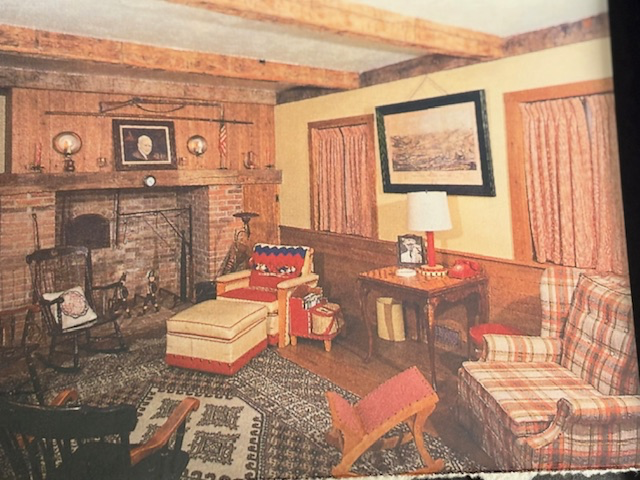
In Gettysburg is the only home that Dwight D. Eisenhower ever owned. A leader during World War II and later President, he lived a life defined by service. The home, now preserved as the Eisenhower National Historic Site, reflects a different side of his life. This modest farm is quiet, practical and personal. Eisenhower purchased the […]

