Fort Scott National Historic Site
Fort Scott National Historic Site preserves one of the most important frontier military posts in the American Midwest. The historic buildings, parade grounds and officers’ quarters bring visitors back to a time when the western frontier was rapidly expanding and the United States was struggling with issues that would eventually lead to the Civil War.
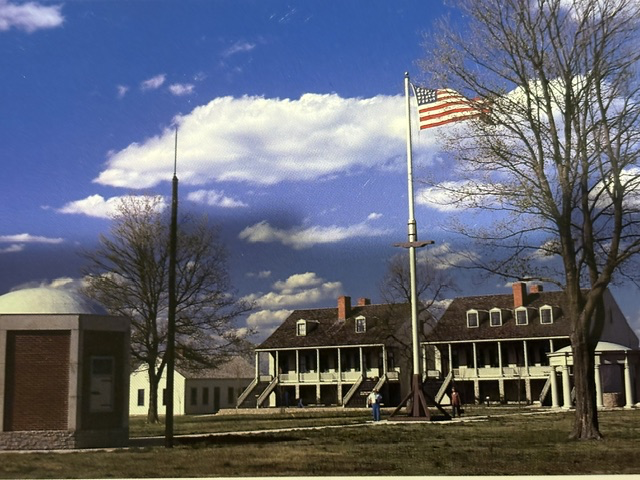
Fort Scott was established in 1842 by the U.S. Army to maintain peace between Native American tribes who had been relocated to the region and increasing numbers of American settlers moving westward. Positioned along the edge of the frontier, the fort became part of a chain of military posts intended to protect trade routes and maintain order in a landscape undergoing enormous change.
As tensions over slavery spread across the Kansas Territory during the 1850s, Fort Scott became deeply connected to the violent conflict known as “Bleeding Kansas”Pro-slavery and anti-slavery factions clashed throughout the region as the nation debated whether Kansas would enter the Union as a free or slave state. The town and fort became a center of political conflict, raids and violence during the years leading up to the Civil War.
During the Civil War itself, Fort Scott served as an important Union military outpost and supply center. The fort also became a refuge for escaped enslaved people and Union supporters fleeing violence in nearby regions.
Fort Scott became part of the National Park System in 1979 when Congress established Fort Scott National Historic Site to preserve the surviving structures and the site’s importance during the Civil War History. Today the fort stands as one of the best-preserved frontier military posts in the country.
Read More From Nancy
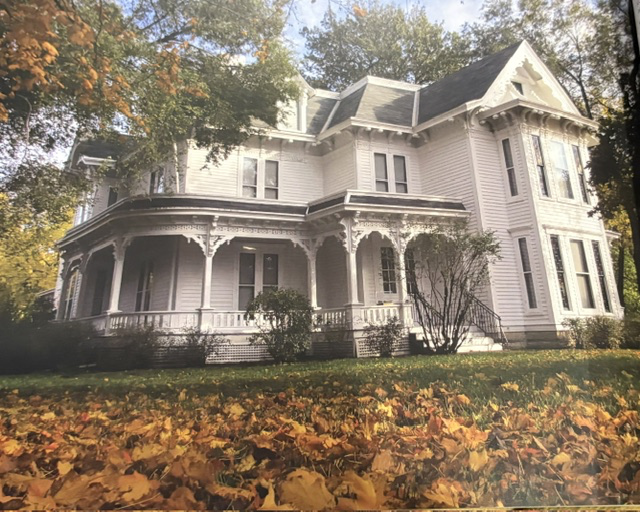
Harry S. Truman National Historic Site
Harry S. Truman National Historic Site in Independence, Missouri, preserves the home where America’s thirty-third president lived for most of his adult life. Established as a National Historic Site in 1983, the house tells the story of a man who, despite becoming one of the most powerful leaders in the world, never lost his connection […]
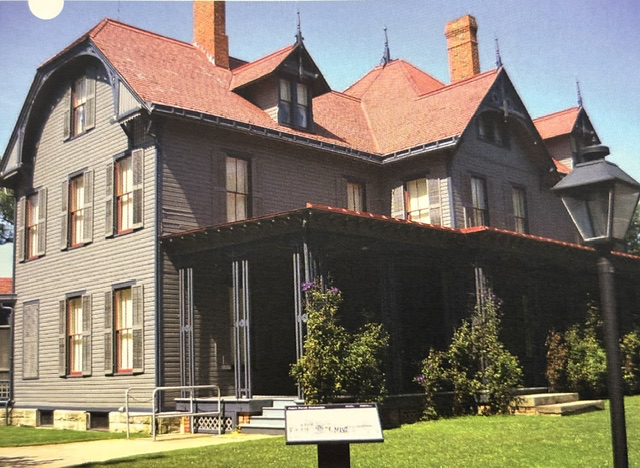
James A. Garfield National Historic Site
When my love for National Parks combines with my fascination with the lives of our presidents, I am always willing to travel out of my way to explore. During a family cross-country trip, we made a stop at the James A. Garfield National Historic Site in Mentor, Ohio, to learn more about one of America’s […]
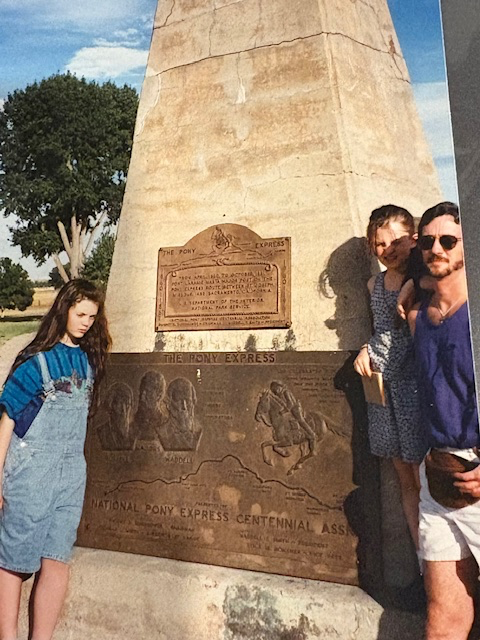
Pony Express National Historic Trail
In the wide-open landscapes of the American West, communication was once slow, uncertain, and often perilous. Long before telegraph wires stretched across the continent, letters were the only way to stay connected across the plains, deserts and mountain ranges. Carrying the mail by horseback became one of the boldest experiments in frontier logistics ever attempted. This […]

