Fairview Lawn Cemetery
Some places become part of history not because events happened there, but because they answered history’s call when tragedy struck. Fairview Lawn Cemetery in Halifax, Nova Scotia, is one of those places.
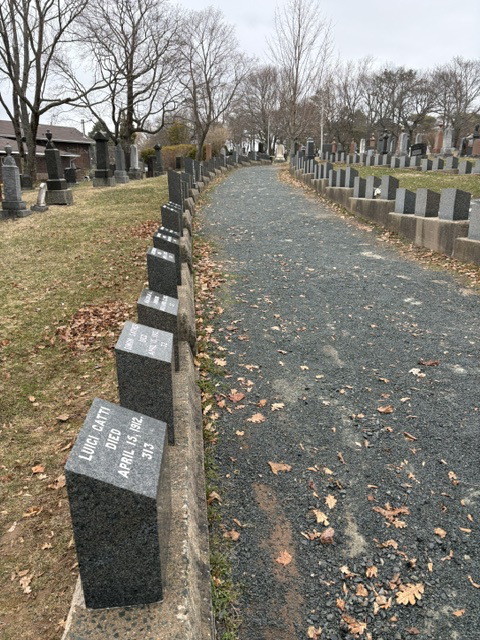
When RMS Titanic struck an iceberg and sank shortly before midnight on April 14–15, 1912, more than 1,500 people lost their lives in the icy waters of the North Atlantic. Although the disaster occurred hundreds of miles offshore, Halifax was the nearest major port with the ships, crews, and resources needed to respond.
Within days, cable ships left Halifax to recover the victims. Working in harsh conditions, they searched the vast debris field, recovering as many of the dead as possible. Some bodies were claimed by grieving families and returned home for burial, but many remained unidentified or had no relatives able to claim them. Those individuals were brought back to Halifax.
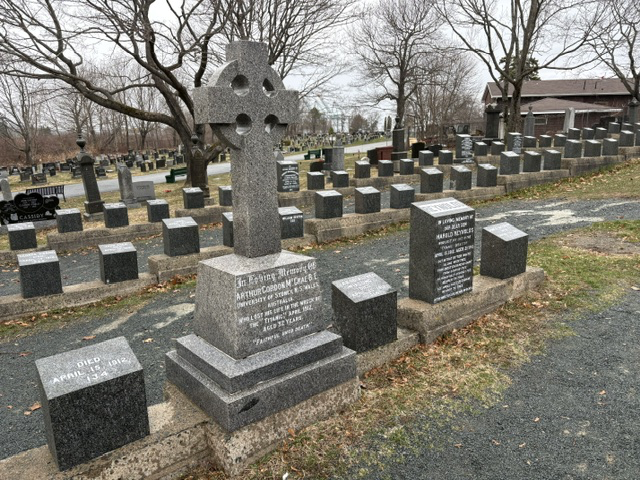
Fairview Lawn Cemetery is the final resting place of 121 victims of the Titanic, making it the largest single burial site associated with the disaster. Nearby Mount Olivet Cemetery and Baron de Hirsch Cemetery also received victims, reflecting Halifax’s Catholic and Jewish communities. Together, the three cemeteries became places of remembrance for people from many nations, backgrounds, and walks of life who shared the same tragic fate.
Walking through Fairview Lawn is a very different experience from visiting most historic cemeteries. The rows of simple granite markers are remarkably uniform, emphasizing not wealth or social standing, but a shared human loss. Some graves bear names, while others simply mark an unknown victim whose identity has never been confirmed.
The story of the Titanic is usually told in terms of the ship, the iceberg, and the passengers. Yet Halifax became an essential part of that story through compassion, duty, and recovery. The city cared for the victims, conducted identifications, comforted grieving families, and provided dignified burials for those who would never return home.

Read More From Nancy
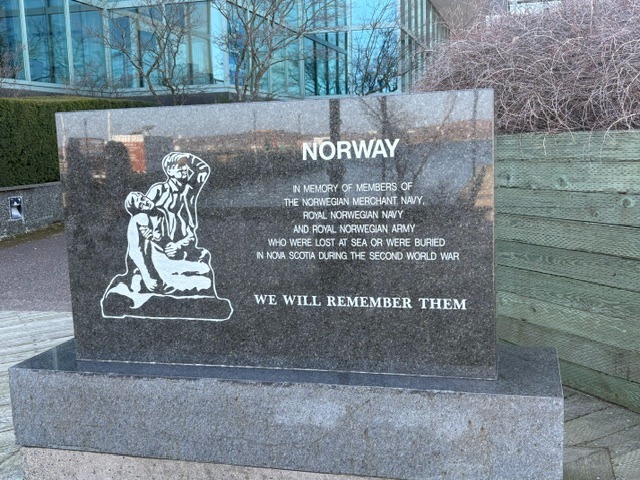
Norwegian Memorial
On Halifax’s waterfront, the Norwegian Memorial honours members of Norway’s Merchant Navy, Royal Navy and Royal Army who were lost at sea or buried in Nova Scotia during the Second World War. Unveiled on November 11, 1998, the monument commemorates a wartime connection between two countries separated by the Atlantic. Its stone, larvikite, was brought […]

Thinkers’ Lodge
As we started our road trip home from Halifax, Marty and I decided to get off the main road and make our way to the small village of Pugwash, Nova Scotia. We had never heard of Pugwash, nor did we know anything about the remarkable events that had taken place there. What we found was […]
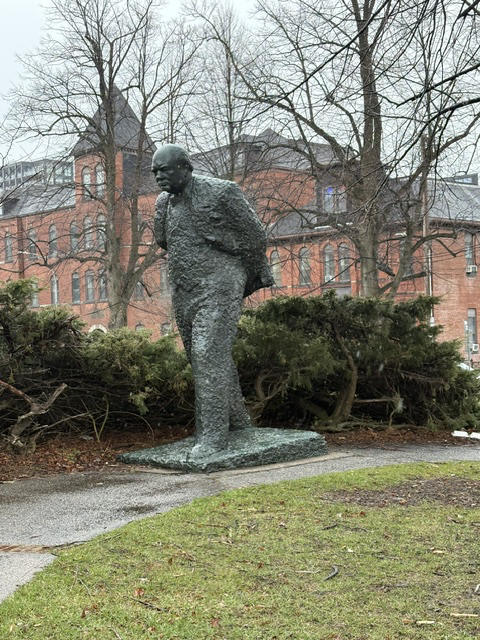
Sir Winston Churchill
It was one rainy Halifax afternoon when this familiar figure appeared through the mist. Standing outside the former Halifax Memorial Library is a bronze statue of Sir Winston Churchill, his hands clasped behind his back, his head slightly lowered, as though he is deep in thought. It is a fitting pose for a man whose […]

