City of Rocks National Reserve
City of Rocks National Reserve in southern Idaho preserves a landscape of enormous granite formations, towering spires, narrow passages, and weathered rock walls that seem to rise unexpectedly from the surrounding countryside. The unusual formations inspired the name “City of Rocks,” because early travelers thought the rocks resembled the ruins of an ancient stone city.
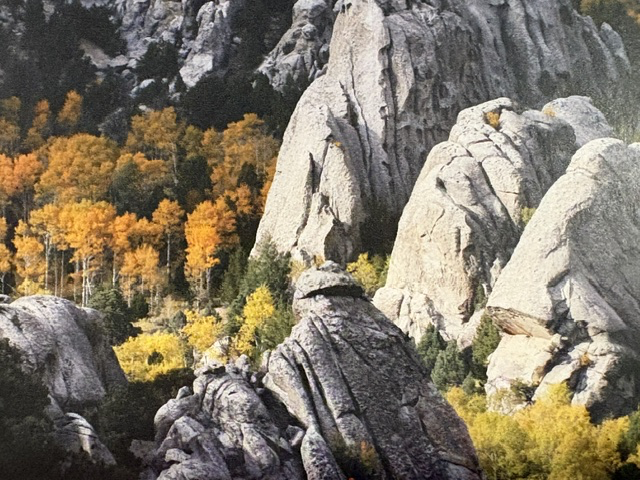
Beginning in 1843, City of Rocks became an important landmark for emigrants traveling west on the California Trail. Thousands of people passed through this area in wagon trains on their way toward California and Oregon. Later, travelers using the Salt Lake Alternate Trail also passed through the rocks.
For emigrants who had already traveled hundreds of miles across the plains, the distinctive granite formations served as both a landmark and a gathering place. Many stopped here to rest their animals and prepare for the difficult journey ahead. Some left their names behind, writing them on the rocks with axle grease. A number of these nineteenth-century inscriptions can still be seen today, providing a remarkably personal connection to the people who traveled the California Trail.
One of the best-known landmarks is Register Rock, where emigrants recorded their names and dates as they passed. Other formations acquired names such as Elephant Rock, Twin Sisters, and Camp Rock, becoming recognizable points along the trail.
The geological story reaches much farther back. The dramatic formations were created from ancient granite that formed deep beneath the Earth’s surface and was later exposed through uplift and erosion. Over millions of years, weathering, water, freezing and thawing sculpted the granite into the rounded domes, spires, fins, and unusual shapes visible today. Some of the rock within the reserve is more than 2.5 billion years old.
City of Rocks was designated a National Historic Landmark in 1964 because of its association with western migration. Congress established City of Rocks National Reserve on November 18, 1988, protecting both its remarkable geological landscape and its connection to the California Trail.
Today people come for very different reasons than the emigrants who traveled through here in the nineteenth century. The reserve has become especially well known for rock climbing, with hundreds of climbing routes among its granite formations. Visitors can also hike, camp, explore the historic trail and search for the names left behind by those who passed through more than 175 years ago.
I particularly like the description of City of Rocks as appearing to early travelers like a “dismantled, rock-built city of the Stone Age.” It is easy to imagine how extraordinary these formations must have appeared to emigrants approaching in their wagons.
City of Rocks brings together two stories that I enjoy discovering in our National Park sites: the forces of nature that created the landscape over millions of years and the people who later traveled through it. The rocks were here long before the emigrants arrived, but for a generation heading west, they became an unmistakable landmark along the road to a new life.
Read More From Nancy
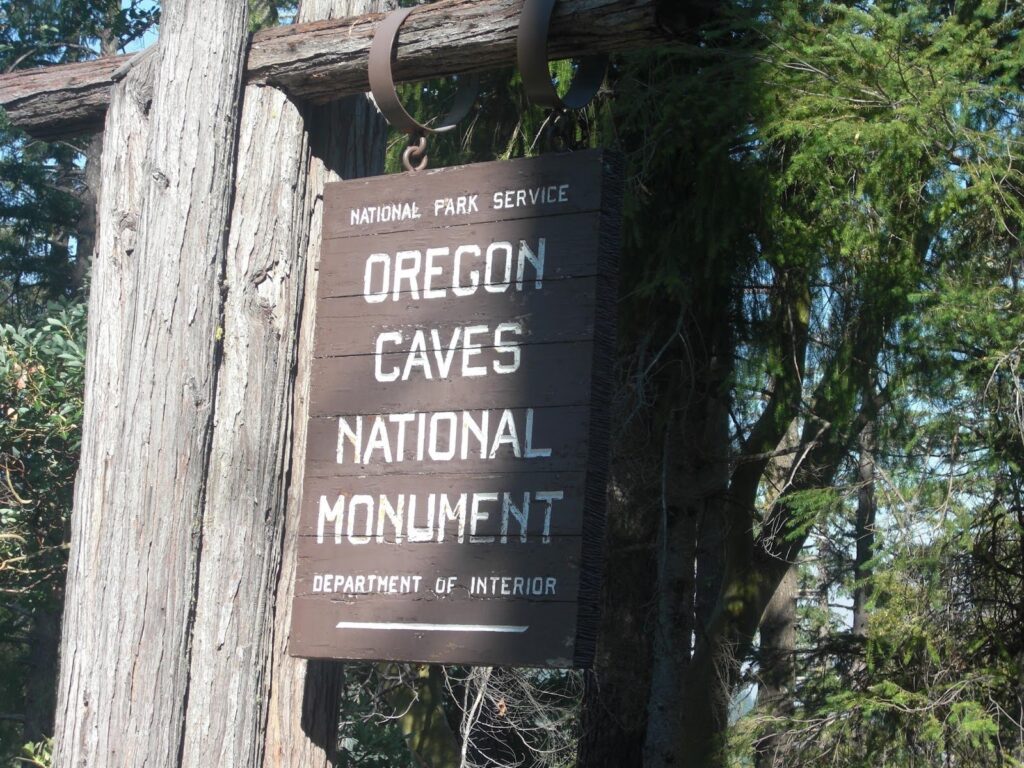
Oregon Caves National Monument
Driving solo the Redwood Highway along the northern California border is an experience in itself. The road winds through towering trees and dense forest. This is the kind of drive where discovery is around every bend. As I made my way towards the Oregon state line, I turned inland toward Oregon Caves National Monument. Here […]
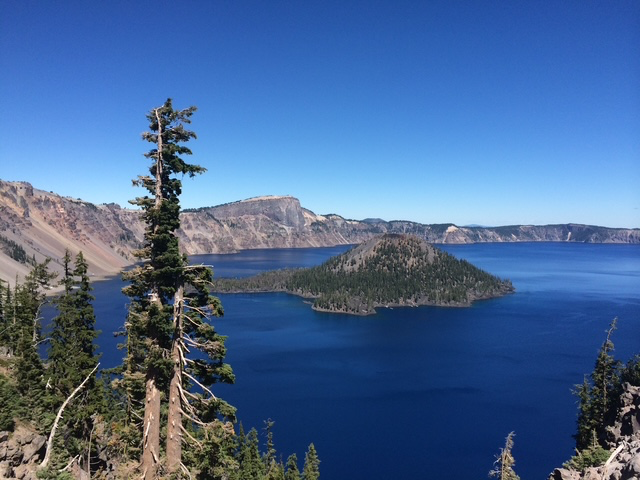
Crater Lake National Park
I visited Crater Lake National Park on one of my solo excursions. It was one of those places I wished I had shared with someone else. The color of the lake matched the bluest of skies as I walked along the rim, a blue so intense it almost felt unreal. There are no rivers flowing […]
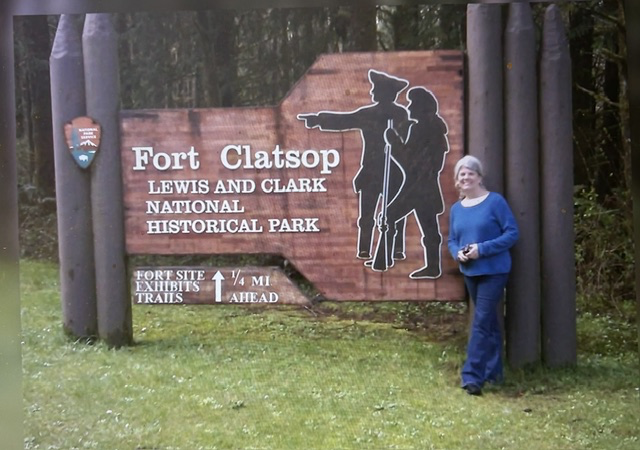
Lewis and Clark National Historical Park
A few hours before we flew home from teaching in Oregon, we took a road trip to Fort Clatsop, part of the Lewis and Clark National Historical Park. What began as a simple side trip became one of those memorable moments where history suddenly feels very real. Standing at the place where the Lewis and Clark Expedition […]

