Crater Lake National Park
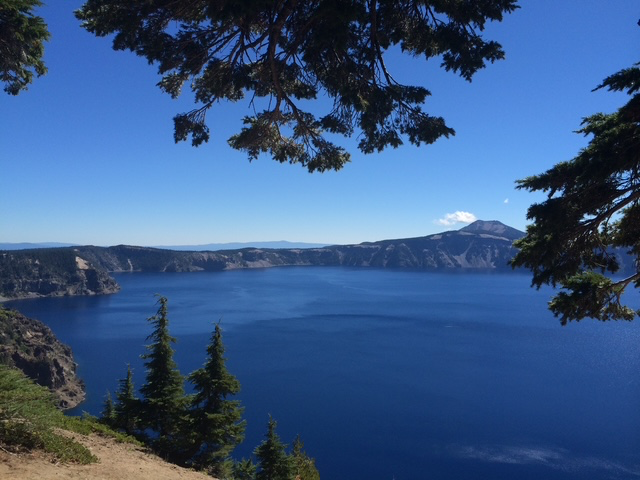
I visited Crater Lake National Park on one of my solo excursions. It was one of those places I wished I had shared with someone else. The color of the lake matched the bluest of skies as I walked along the rim, a blue so intense it almost felt unreal.
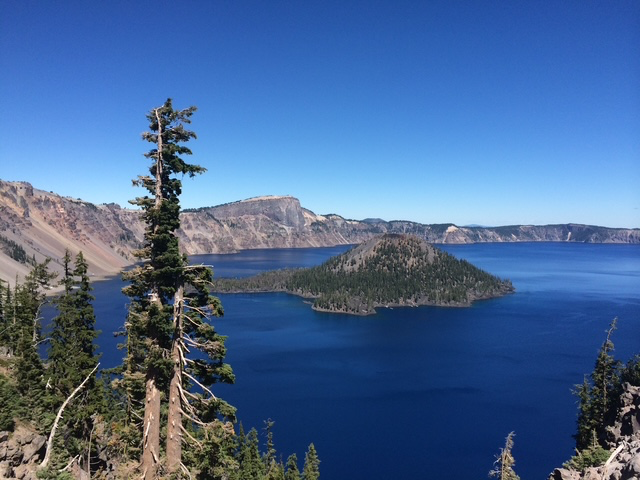
There are no rivers flowing in or out of Crater Lake. The lake exists almost entirely on its own, fed by rain and snow. This purity is what gives it its extraordinary color and clarity. Standing at its rim, you are looking down nearly 2,000 feet into the remains of a collapsed volcano.
The story of this place stretches more than 7,700 years, when Mount Mazama erupted in one of the most violent volcanic events in North America. The eruption emptied the magma chamber beneath the mountain, causing the summit to collapse inward and form the massive caldera that now holds Crater Lake. Over centuries, snowmelt and rainfall slowly filled the basin, creating what is now the deepest lake in the United States.
Crater Lake officially became a national park on May 22, 1902, when Theodore Roosevelt signed the legislation establishing it as America’s firth national park. Roosevelt, a passionate conservationist, understood the importance of protecting this awe-inspiring landscape.
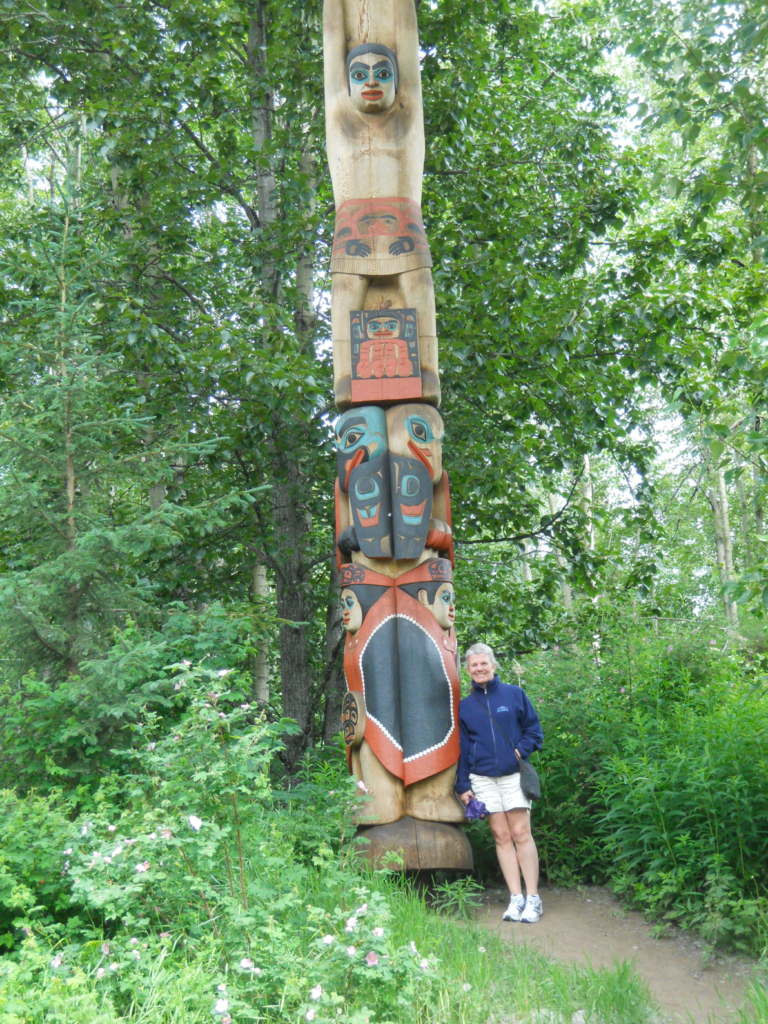
Read More From Nancy
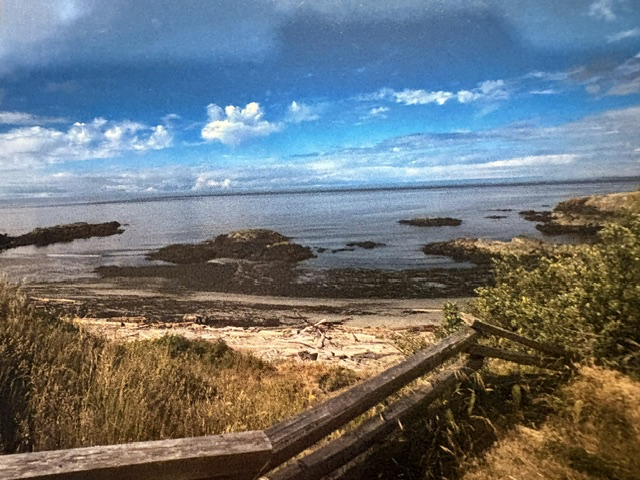
San Juan Island National Historical Park
San Juan Island National Historical Park in Friday Harbor, Washington, preserves one of the most unusual stories in American history. Established as a National Historical Park in 1966, the park commemorates the peaceful resolution of a boundary dispute between the United States and Great Britain that became known as the “Pig War.” Reaching San Juan Island […]
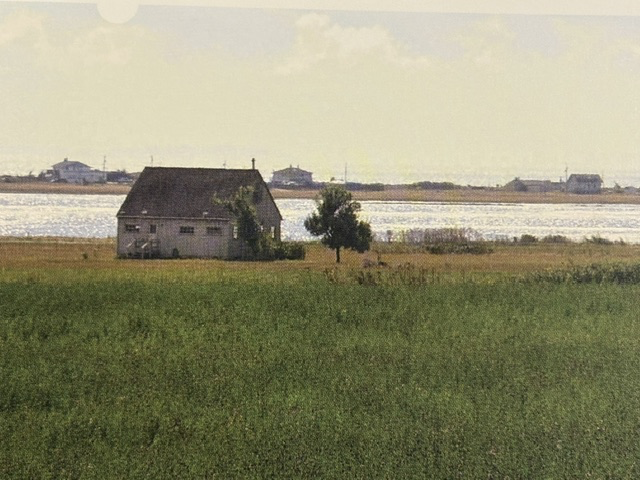
Ebey’s Landing National Historical Reserve
Ebey’s Landing National Historical Reserve on Whidbey Island preserves a landscape where the history of the Pacific Northwest can still be seen in the land itself. Open fields stretch toward Puget Sound, historic farm buildings remain part of the countryside, and forests and shoreline surround communities whose stories reach back generations. In 1792, Captain George […]
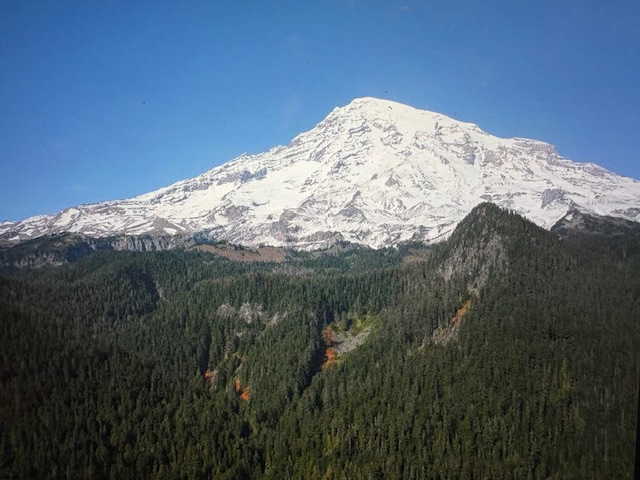
Mount Rainier National Park
Mount Rainier rises more than 14,000 feet above the surrounding forests and valleys. Mount Rainier dominates the horizon. Its snow-covered summit is visible from miles away. Mount Rainier is a massive stratovolcano and the most heavily glaciated peak in the contiguous United States. These glaciers feed rivers that shape western Washington and sustain ecosystems, agriculture and communities […]

