John Day Fossil Beds National Monument
I took this ride to eastern Oregon solo, and what I remember is the isolation. The roads stretched on without interruption, the landscape opening wider with every mile. This is a different part of Oregon, far removed from the coastal side that most people know. There is no ocean here, not dense forest.
I stayed in a small town – one I can’t remember the name. It was the kind of a stop that was part of the whole experience
The isolation continued as I explored John Day Fossil Beds National Monument. The first think that I took notice of was the colors, the layered hills, the formations and the quiet terrain. What makes this place different is how it reveals time. The layers of earth are visible in a way you don’t often see.
This landscape was preserved as a national monument in 1975 by Gerald Ford, recognizing both its beauty and its scientific importance.
This trip stays with me not because of what I saw, but the quiet, the distance and the isolation.
Read More From Nancy
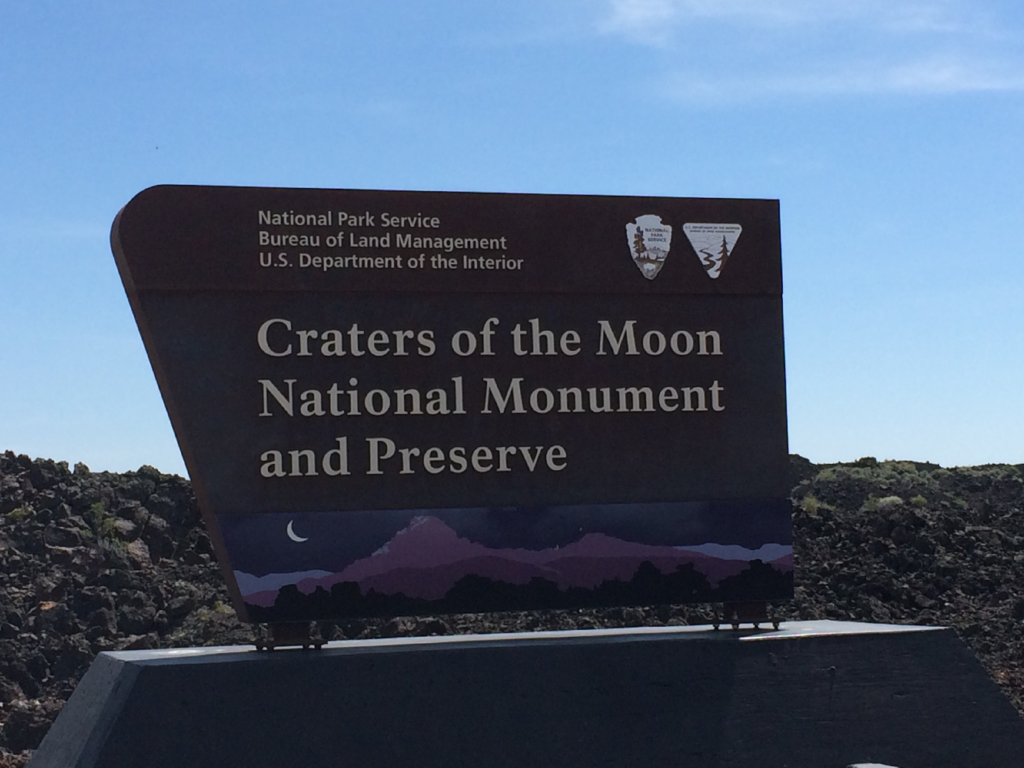
Craters of the Moon National Monument
Another solo driving tour took me through Idaho. There were early mornings on those roads when the light stretched across open land and I found myself wishing someone else could see what I was seeing. Some landscapes feel almost too vast to keep to yourself. I knew there was no way I could fully describe it. […]
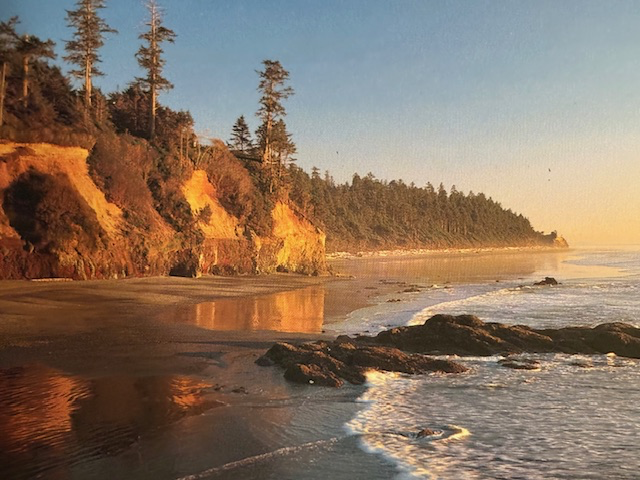
Olympic National Park
Olympic National Park is a place of incredible diversity: mountains, rainforest and rugged coastline, all within one park. My day here was oneI took on my own. At the visitor center, I remember learning about a predator in the park, and that gave me pause. It shifted my mindset that I wasn’t quite as confident […]
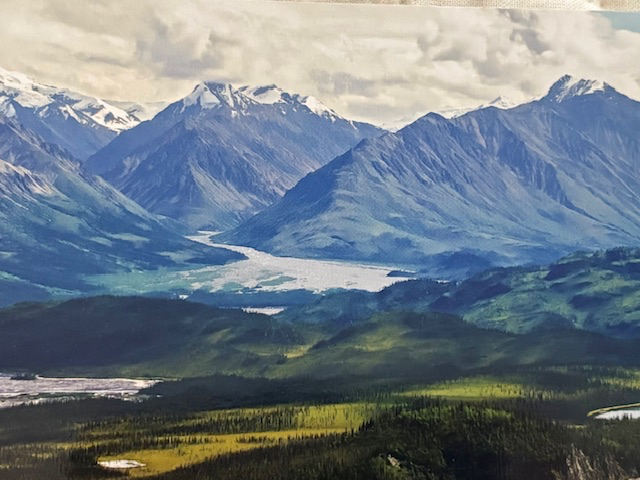
Wrangell-St. Elias National Park
Wrangell-St. Elias National Park and Preserve was part of our 2014 trip to Alaska. We drove into the Wrangell area, and what I most remember is the vast and distant everything felt. This is not an easy part to access. Roads are limited and distances are long. Most of the park is still reached by small […]

