Victoria-by-the-Sea, PEI
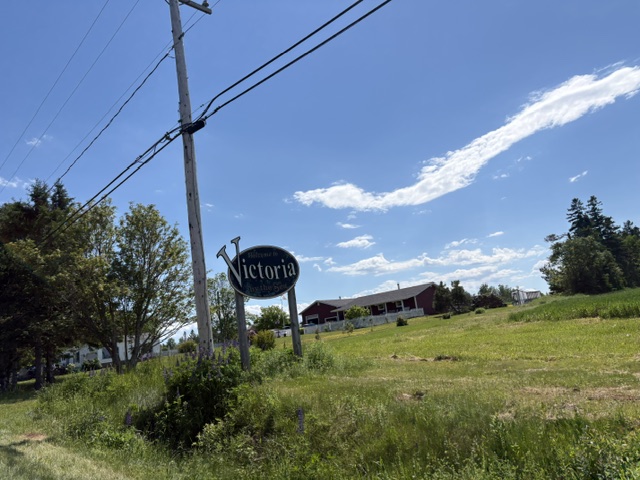
Located on the south shore of Prince Edward Island, between Charlottetown and Summerside, Victoria-by-the-Sea is a small coastal village with a history rooted in maritime trade. Founded in 1819 by lawyer and land agent James Bardin Palmer, the village was laid out on his estate by his son Donald. Its simple grid of streets remains a visible connection to that early plan.
By the late nineteenth century, Victoria had developed into a prosperous seaport with three wharves and numerous businesses. Its sheltered harbour connected surrounding farms with markets in Europe, the West Indies, and other East Coast ports. Schooners carried potatoes, grain, cattle, and eggs from the village, making the waterfront an important link between the Island’s agricultural economy and the wider world.
The harbour also brought visitors. During the steamboat era, vessels such as the SS Harland stopped at Victoria, carrying passengers from Charlottetown and farther afield for short stays by the sea. Welcoming travelers therefore became part of village life long before modern tourism developed.
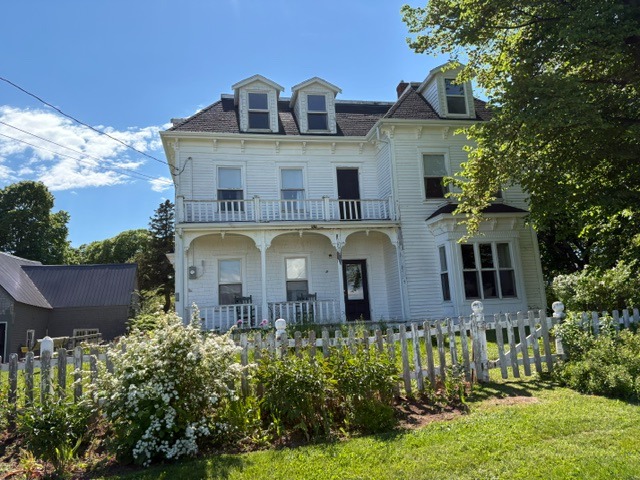
Victoria’s appeal extends beyond its waterfront. Historic wooden houses, gardens, and compact streets give the village a distinctive residential character. Theatre has also become part of its identity, with the Victoria Playhouse occupying the community hall and adding a cultural gathering place to the coastal setting.
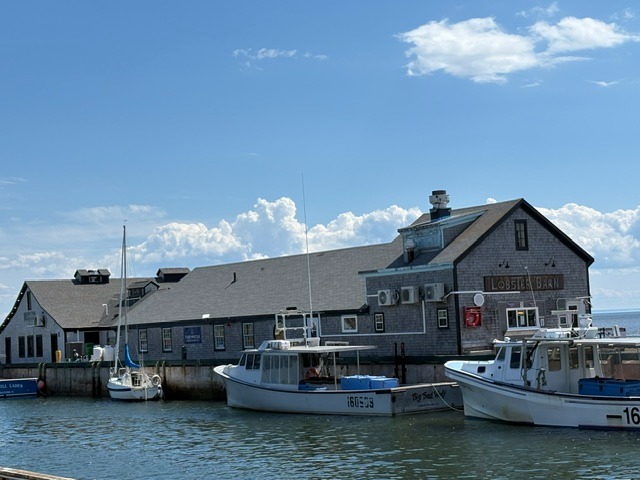
During our visit, boats beside the wharf and colourful sheds with lobster traps showed the village’s continuing connection to the sea. Nearby houses and planted gardens added another view of the community, where domestic life and the waterfront sit close together. These details help tell Victoria’s story: a village established around a harbour, connected to distant places through trade, and still defined by its intimate relationship with the shore.
Recent Posts
The House with the Arched Verandah
Behind a white picket fence and flowering garden, this ornate wooden house adds a distinctive presence to Victoria’s residential streets. Its arched verandah, upper balcony, and projecting bay window reflect an architectural ambition that sets it apart from simpler village homes. The house is believed to have been constructed by Charles Rogers between 1880 and […]
Victoria Range Light
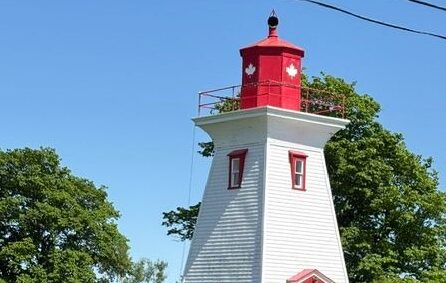
For a captain approaching Victoria with a loaded vessel, seeing the harbour was only part of the task. Reaching it required finding the correct passage through the shallows. A small wooden lighthouse on shore helped make that possible, not by illuminating the water, but by giving mariners a line to follow. Built in 1879, the […]
Victoria’s Working Waterfront
Victoria’s waterfront has long been a place of trade, fishing, and travel. Its sheltered harbour helped the village develop into a thriving seaport, connecting the surrounding agricultural countryside with markets far beyond Prince Edward Island. By the late nineteenth century, three wharves served the community, supporting businesses whose livelihoods depended on access to the sea. […]
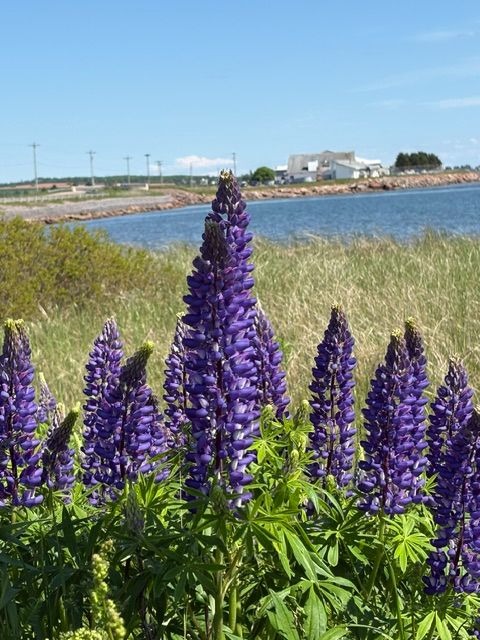
Lupines by the Shore
For a few weeks each summer, lupines bring bands of purple, pink, and white to Prince Edward Island’s roadsides and open spaces. Their tall flower spikes rise above the grasses, turning otherwise ordinary stretches of ground into memorable parts of the landscape. June is especially associated with their arrival, although flowering times vary with weather […]
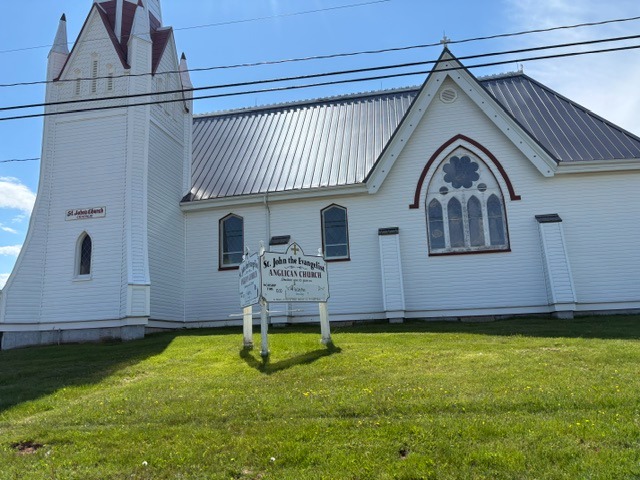
St. John the Evangelist Anglican Church
At the edge of Victoria, St. John the Evangelist Anglican Church stands on a site associated with the community’s religious life since 1841. The first church was built on land donated by the Countess of Westmoreland. She also contributed money and furnishings, including a silver chalice. The building was intended for Christians of different denominations, […]

