Victoria’s Working Waterfront
Victoria’s waterfront has long been a place of trade, fishing, and travel. Its sheltered harbour helped the village develop into a thriving seaport, connecting the surrounding agricultural countryside with markets far beyond Prince Edward Island. By the late nineteenth century, three wharves served the community, supporting businesses whose livelihoods depended on access to the sea.
Schooners carried potatoes, grain, cattle, and eggs from Victoria to Europe, the West Indies, and other East Coast ports. The waterfront brought farmers, merchants, sailors, and dockworkers into a shared economy. Goods produced inland passed through the harbour, making this small village an important link in a much larger trading network.
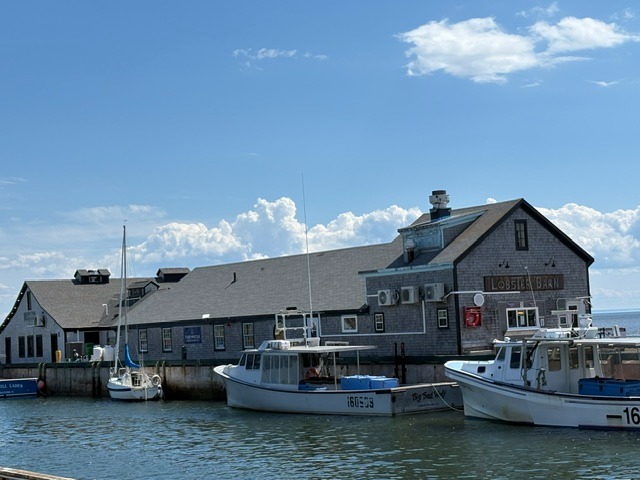
Fishing continues the village’s working relationship with the water. During lobster season, fishers land their catches at the wharf. Boats, traps, and shore-side facilities support the daily work behind the seafood so closely associated with Island life. Restaurants and visitor businesses share the waterfront with these practical activities, bringing different uses together along the shore.
The harbour’s role has evolved, but it remains central to Victoria’s character. Once a departure point for schooners carrying farm produce abroad, it continues to support maritime livelihoods and welcome visitors. The wharf preserves that connection between village life and the sea.