Fairbanks, AK
Fairbanks grew along the Chena River in Alaska’s Interior, in a region Athabascan peoples had traveled and used for thousands of years. The town’s beginnings came almost by accident in 1901, when trader E. T. Barnette’s steamboat could travel no farther upriver. He unloaded his supplies and established a trading post. Felix Pedro’s nearby gold discovery in 1902 brought prospectors and business, turning the riverbank settlement into a growing community.
Incorporated in 1903, Fairbanks was named for Indiana Senator Charles W. Fairbanks, who later became vice president. Its development depended on finding ways to move people and supplies across difficult terrain. Riverboats, the Tanana Valley Railroad, and early automobiles each played a part. That history survives at places such as Pioneer Park and the Fountainhead Antique Auto Museum, where machinery and personal stories reveal the ingenuity required to build a community in the Interior.
Fairbanks is also a place of striking seasonal contrasts, with long summer evenings and dark winter skies that offer opportunities to see the northern lights. Known as Alaska’s “Golden Heart,” it brings together gold-rush history, living Alaska Native cultures, and a close connection to the rivers and forests surrounding it.
Recent Posts
Vintage Cars and Beautiful Textiles
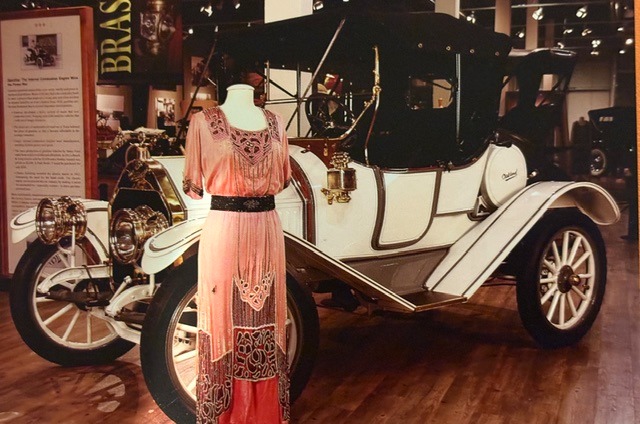
The Fountainhead Antique Auto Museum opened at Wedgewood Resort in June 2009. Fairbanks businessman Tim Cerny began assembling its automobile collection in 2007, choosing vehicles for their historical significance, engineering, and rarity. Alongside the cars, a small display of approximately ten garments grew into an extensive historic fashion collection, developed with the involvement of vintage […]
Blue Babe
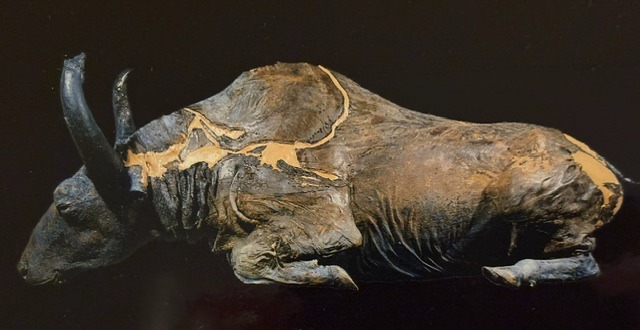
At the University of Alaska Museum of the North, Blue Babe preserves an extraordinary encounter with Alaska’s Ice Age past. This steppe bison was discovered in 1979 when gold miners near Fairbanks washed away frozen soil and exposed remains with skin, hair, and flesh still attached. Recognizing the importance of their find, the miners contacted […]
Engine No. 1
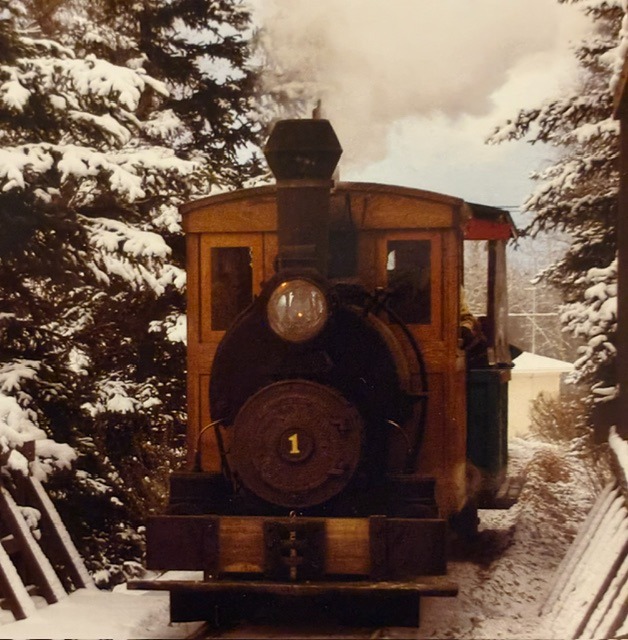
Built in 1899, Tanana Valley Railroad Engine No. 1 worked in the Yukon before arriving in the Fairbanks area in 1905. It became the first steam locomotive in Interior Alaska, helping build and operate the Tanana Mines Railway, later renamed the Tanana Valley Railroad. The narrow-gauge line connected river transportation with Fairbanks and the gold-mining […]
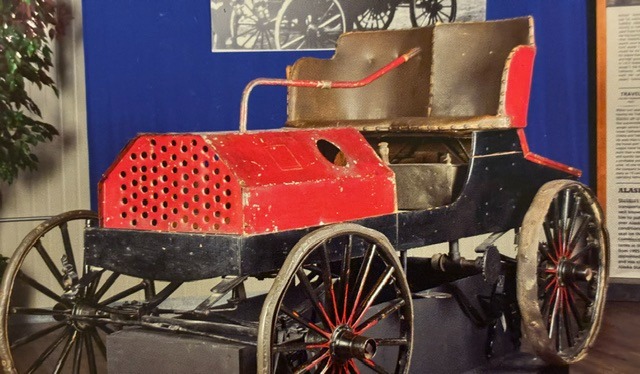
The Sheldon Runabout: Alaska’s First Car
At the Fountainhead Antique Auto Museum, this modest red-and-black vehicle has a remarkable distinction. It is the first automobile built in Alaska, assembled in Skagway in 1905 by twenty-two-year-old Robert “Bobby” Sheldon. He had never seen a car in person, relying instead on magazine pictures, mechanical knowledge, and considerable ingenuity. According to the museum’s account, […]
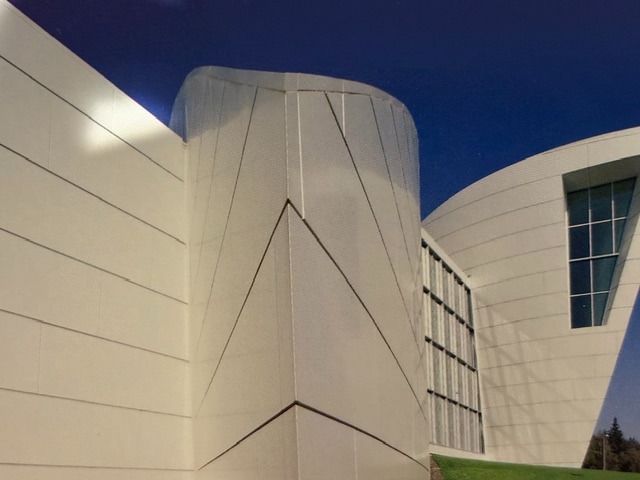
Museum of the North
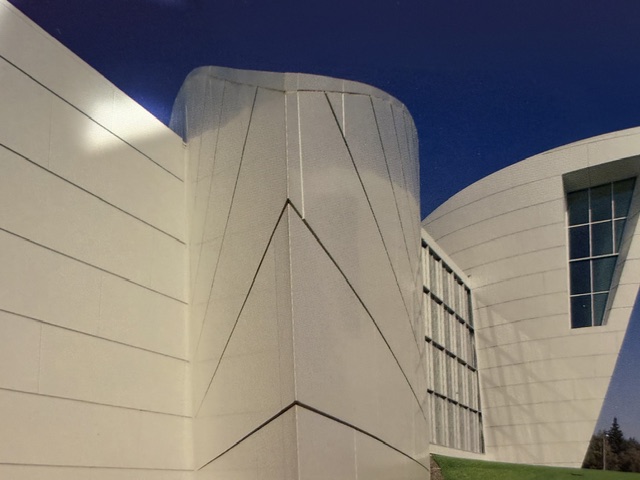
The University of Alaska’s Museum of the North brings together the state’s natural history, Alaska Native cultures, and artistic traditions. Its beginnings reach back to the university’s early years. In 1926, naturalist Otto Geist began collecting archaeological and cultural materials at the request of university president Charles Bunnell. Those collections, along with a small group […]

