Canada
Canada is the second-largest country in the world by total area and extends from the Atlantic Ocean to the Pacific Ocean and north to the Arctic Ocean. It consists of ten provinces and three territories and shares its southern and northwestern border with the United States. Ottawa is the capital, Toronto is the largest city, and English and French are the official languages. Canada is a federal parliamentary democracy and constitutional monarchy whose vast landscape includes forests, prairies, mountains, lakes, tundra, and the world’s longest coastline.
French and British colonies established many of Canada’s earliest European settlements, and Britain gained control of most French territory in the region in 1763. Canada was created as a self-governing dominion within the British Empire in 1867, when Ontario, Quebec, Nova Scotia, and New Brunswick formed a federation. Other provinces and territories joined over time, extending the country across the continent. Canada gradually gained full legislative independence, particularly through the Statute of Westminster in 1931 and the Constitution Act of 1982.
Recent Articles
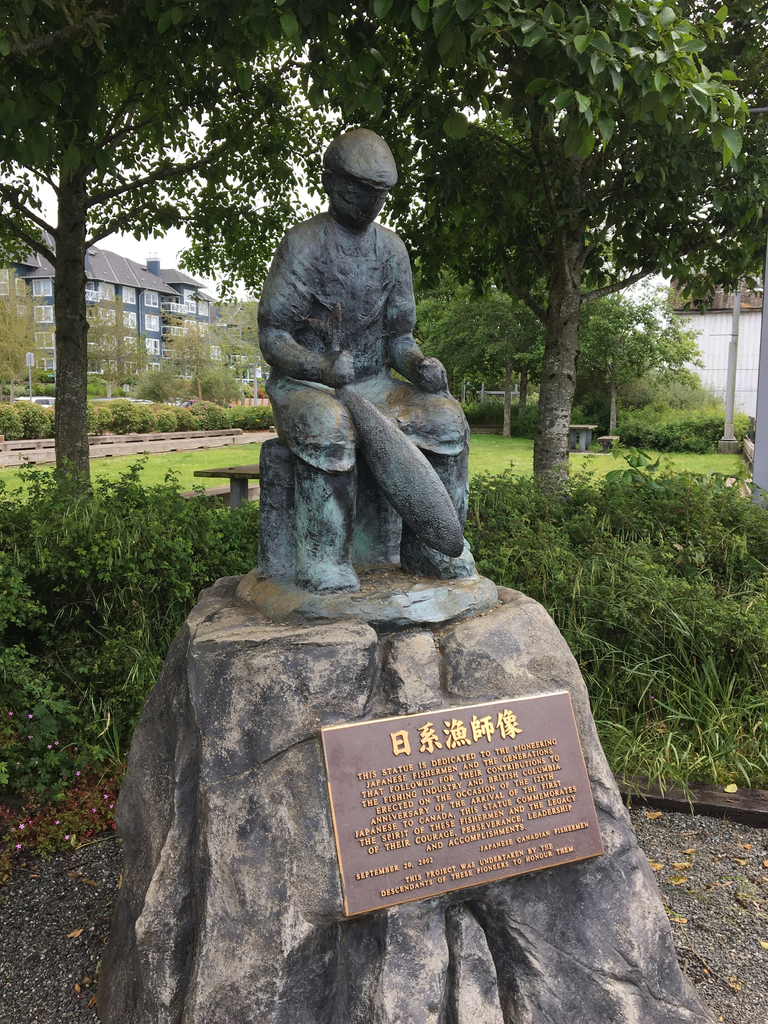
Japanese-Canadian Fishermen’s Memorial
Seated beneath the trees in Steveston, a fisherman bends over the net gathered across his knees. He is not shown at sea or returning triumphantly with his catch. Instead, the memorial captures one of the quiet tasks that made a fisherman’s life possible: the patient work of repairing the nets before returning to the water. […]
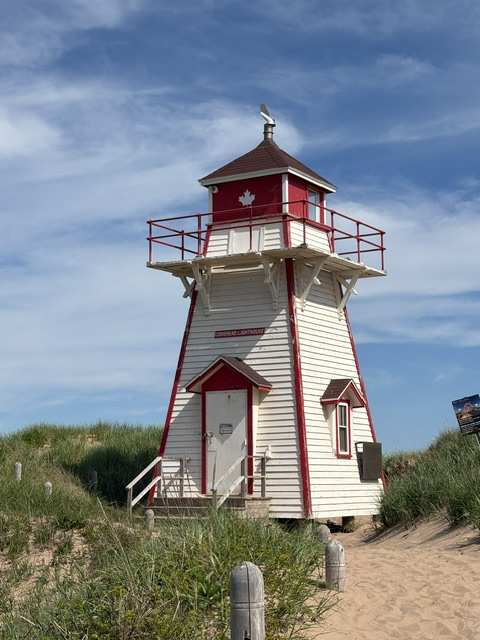
Covehead Harbour Lighthouse
While exploring the north shore of Prince Edward Island, we stopped at Covehead Harbour Lighthouse in the community of Stanhope. It sits among the sand dunes of Prince Edward Island National Park, overlooking the entrance to Covehead Bay and the Gulf of St. Lawrence. At first, it was exactly the kind of scene I associate with Prince […]
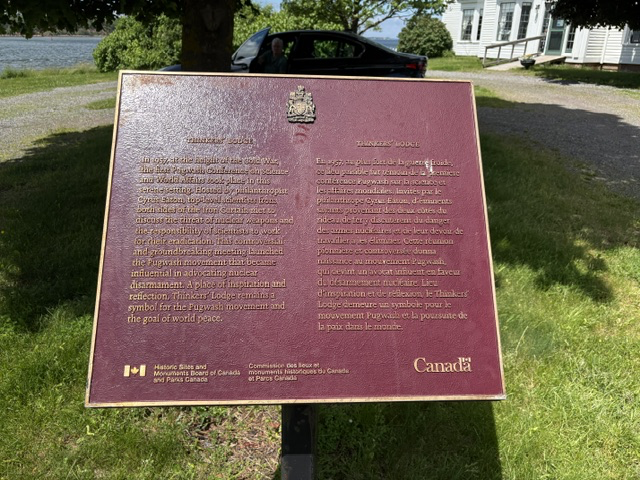
Thinkers’ Lodge National Historic Site Plaque
Standing in front of this plaque, I was struck by how long it took for Thinkers’ Lodge to receive formal recognition for what happened here. The first Pugwash Conference took place in 1957, when 22 scientists from ten countries gathered here at the height of the Cold War to discuss nuclear weapons and the responsibility […]
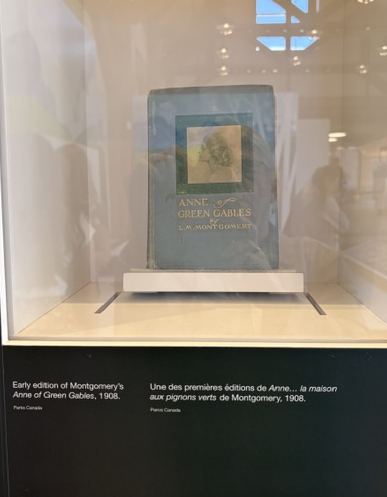
The Book That Made the Journey
This early edition of Anne of Green Gables, published in 1908, represents far more than the beginning of one of the world’s best-loved books. Looking at it after learning how Lucy Maud Montgomery’s manuscript reached her Boston publisher made me realize just how much had to happen before Anne could ever reach her readers. Montgomery […]
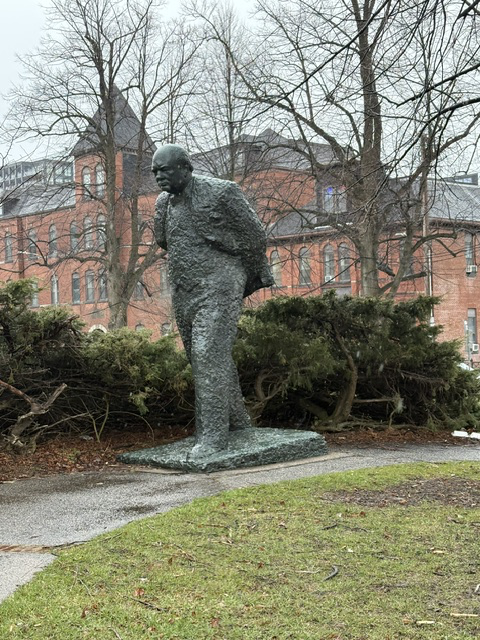
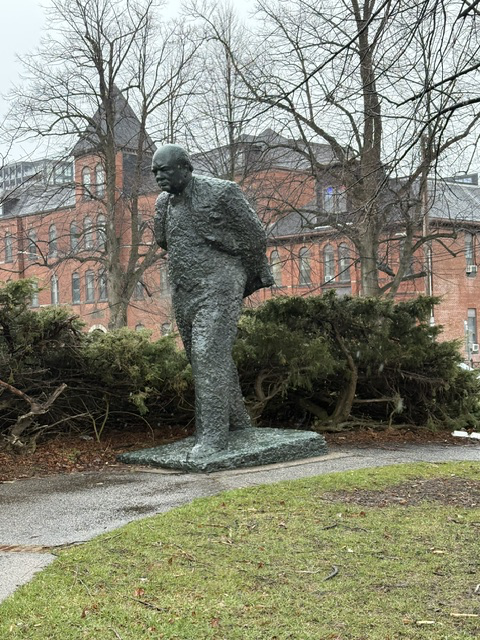
Sir Winston Churchill
It was one rainy Halifax afternoon when this familiar figure appeared through the mist. Standing outside the former Halifax Memorial Library is a bronze statue of Sir Winston Churchill, his hands clasped behind his back, his head slightly lowered, as though he is deep in thought. It is a fitting pose for a man whose […]
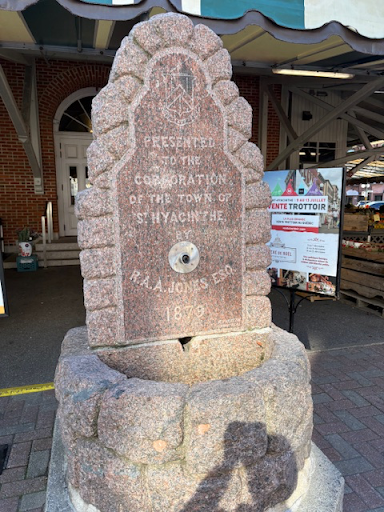
Victorian Drinking Fountain
I enjoyed exploring Saint-Hyacinthe with Erin after teaching in Québec. One of the things we always seem to notice in older towns is their historic drinking fountains. Many are no longer in use, but they tell the story of a time when access to clean drinking water was considered an important public service and a […]

Ghandi Walking Statue
Outside the Canadian Museum of Human Rights in Winnipeg, we came upon this statue of Mahatma Gandhi, walking forward. The image draws from one of the defining moments of his life, the Salt March. In 1930, Gandhi led a 240 mile walk to the Arabian Sea to protest British control over salt production in India. […]

