Canton Viaduct
Taking the time to explore a small town often leads to unexpected discoveries. That was certainly true on a drive through Canton. When I read that Canton Viaduct was once the largest railroad viaduct in the world, I knew I wanted to see it for myself.
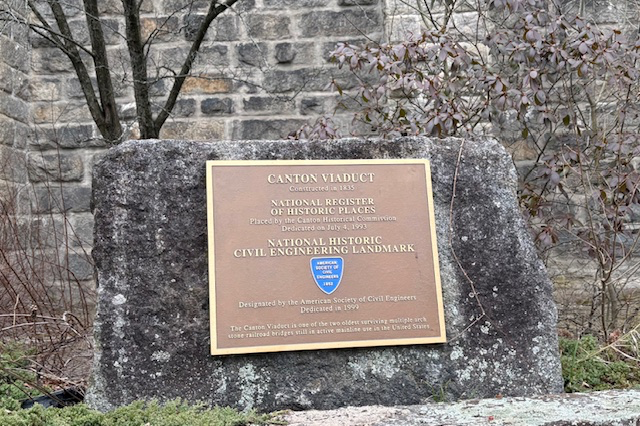
It is quite remarkable that in this quiet New England town we can find a structure that, when built, stood as the largest of its kind on earth. Curiosity alone made it worth the trip.
The viaduct was constructed in 1835 for the Boston and Providence Railroad. Built of massive blocks of granite, the structure stretches across the Neponset River valley in a graceful series of arches. At the time of its construction, it was both the longest and tallest railroad viaduct in the world, an extraordinary achievement in the early days of American railroading.
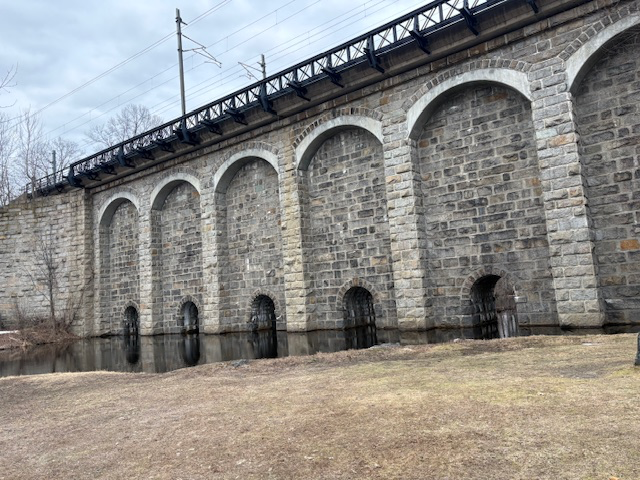
Today, trains still cross the viaduct, a testament to the durability of the engineering and craftsmanship of the nineteenth century. For many travelers it may simply be something they pass by without noticing, but standing beside it offers a different perspective. The scale of the granite blocks, the precision of the arches, and the sheer presence of the structure reveal why it was considered such an impressive accomplishment.
Rising above the landscape, the Canton Viaduct remains a magnificent reminder of a time when ambitious engineering projects helped connect towns and cities across the growing nation. Sometimes the most fascinating discoveries are not in famous destinations, but in the small towns we take the time to explore.
Read More From Nancy
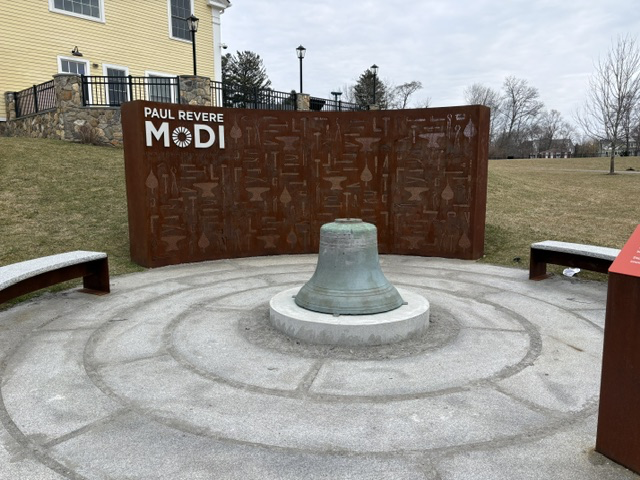
Paul Revere MODI Bell Installation
In Canton, this memorial connects directly to one of the lesser-known parts of Paul Revere’s life. Most people remember Revere for his famous midnight ride during the American Revolution, but later in life he became an important industrialist and manufacturer. Canton was where he established his copper rolling mill and bell foundry in the early 1800s, industries […]
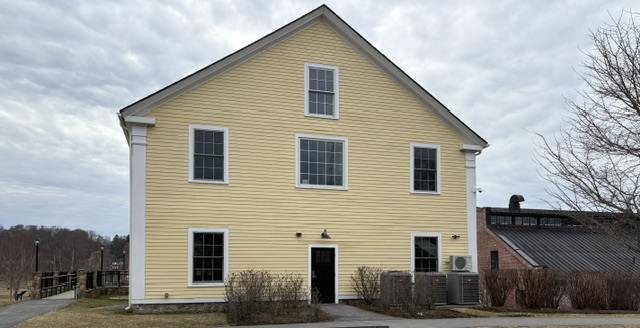
The Draft Horse Barn
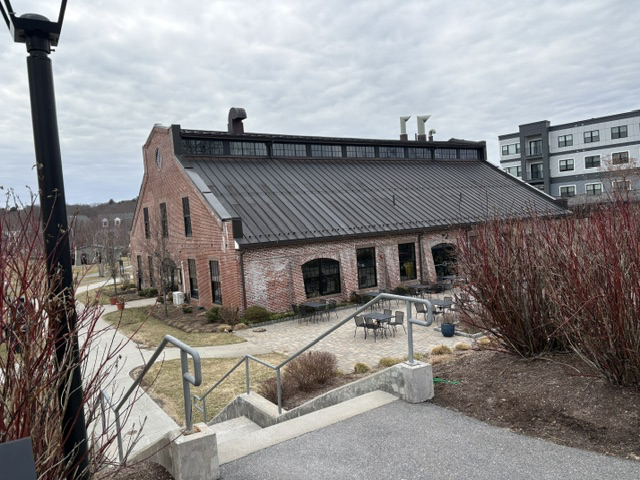
When we think about the Industrial Revolution, we often picture steam engines, water power, and towering factory buildings. Yet for much of the nineteenth century, industry relied on another source of power—the draft horse. This barn, built in 1845 as part of an expansion of the Revere Copper Company in Canton, was home to the […]
The First Parish Church of Canton
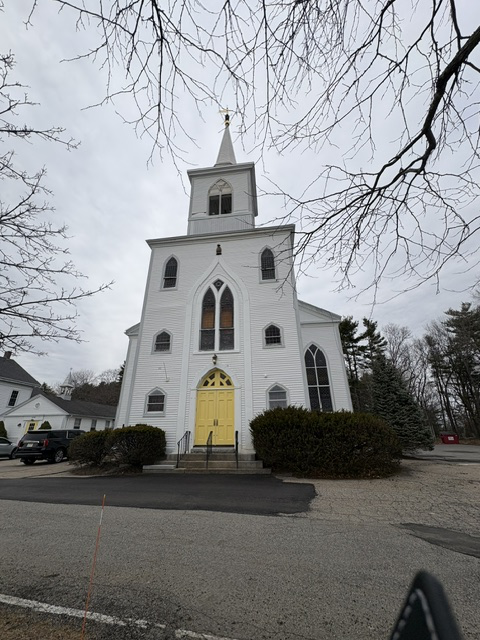
The white meetinghouse of First Parish Unitarian Universalist Church has stood along Washington Street for two centuries, but the congregation it serves is even older. First Parish was formally gathered in 1717, when Canton was still part of the larger town of Stoughton. Like many early New England religious societies, the parish was closely connected […]

