Neponset River
The Neponset River has shaped the history of eastern Massachusetts for centuries, long before factories and mills appeared along its banks. Rising in Foxborough and flowing more than 25 miles to Boston Harbor, the river provided food, transportation, and power for generations of Native peoples and later for colonial settlements that grew eside it. Its steady current and changing elevations made it ideal for water-powered industry, and towns along the river gradually developed around dams, mills, and manufacturing sites.
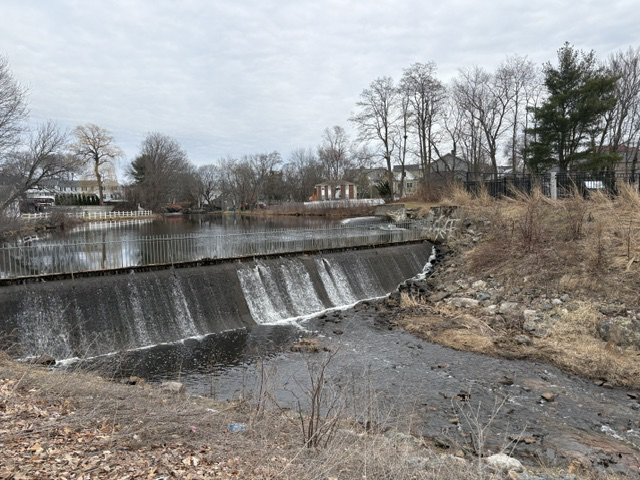
In Canton, the river became central to Paul Revere’s industrial vision. The flowing water was not simply part of the scenery. It was the energy source that powered the machinery of the copper rolling mill and foundry. Before electricity, rivers like the Neponset made industrial growth possible. Water rushing over the dam created the force needed to turn massive water wheels and operate equipment used in rolling copper sheets, shaping metal, and supporting production throughout the factory complex.
The dam itself changed the landscape, controlling the flow of water so that power could be harnessed consistently for industrial use. The river that now seems calm and reflective once carried the sounds of manufacturing. Factories depended on maintaining that flow, and the river became tied directly to the success of the workers and families who depended on the mills for their livelihoods.
The Neponset became a gathering point for immigrant communities who came seeking work during the industrial expansion of the 19th century. Families settled near the factories because the river created opportunity. The industries it powered offered employment to machinists, laborers, metal workers and craftsmen from many different countries, helping transform Canton into a growing industrial town.
Read More From Nancy
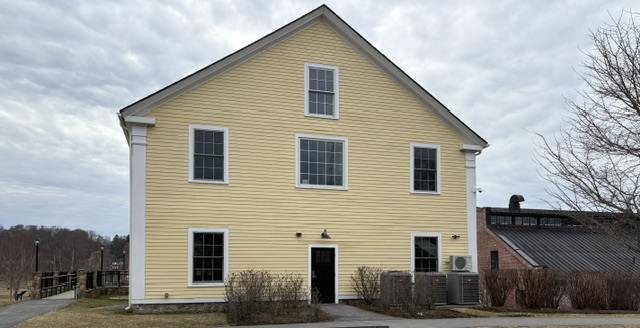
The Draft Horse Barn
When we think about the Industrial Revolution, we often picture steam engines, water power, and towering factory buildings. Yet for much of the nineteenth century, industry relied on another source of power—the draft horse. This barn, built in 1845 as part of an expansion of the Revere Copper Company in Canton, was home to the […]
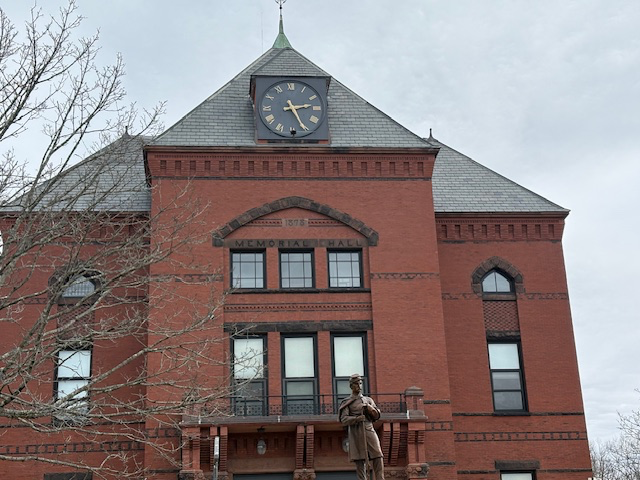
1878 Memorial Hall
Memorial Hall in Canton, dated 1878, was built as a lasting tribute to the town’s Civil War veterans. Like many Massachusetts towns, Canton sent men to serve in the war, and the hall stood as a public expression of remembrance for those who fought and for those who never came home. Rather than creating only a […]
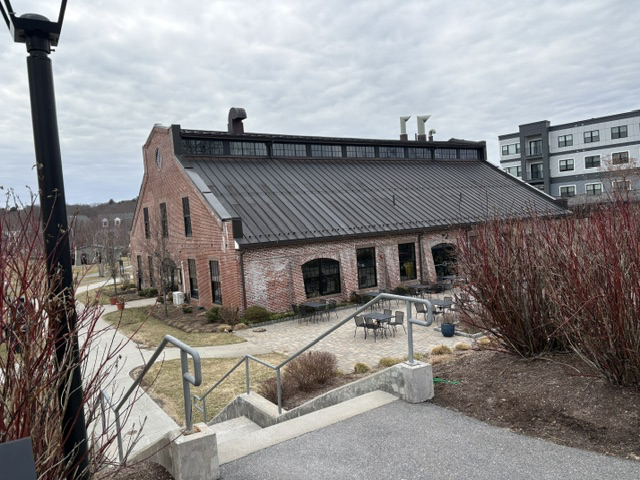
The Canton Copper Works
The restored brick building at the Paul Revere Heritage Site preserves a part of Paul Revere’s life that is often overshadowed by his midnight ride. Revere was not only a patriot, silversmith, and messenger of the Revolution. He was also an ambitious entrepreneur who helped establish the American copper industry during the early years of […]

