Buland Darwaza Fatehpur
While visiting northern India, we visited Fatehpur Sikri, the magnificent city built by the Mughal Emperor Akbar in the late sixteenth century. Although the city served as the capital of the Mughal Empire for only about fifteen years, it remains one of the finest surviving examples of Mughal architecture.
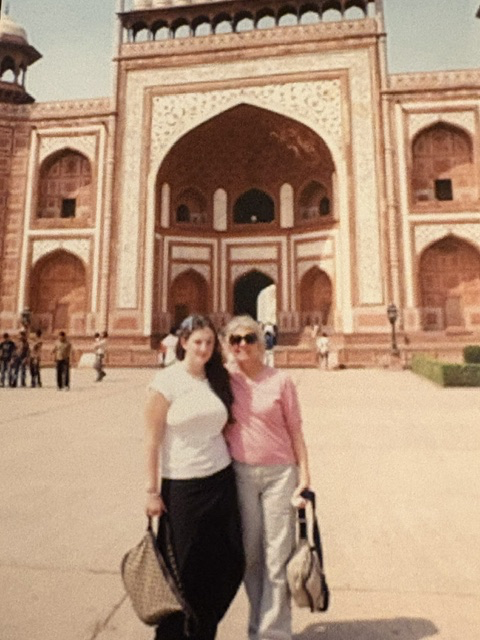
Standing together in front of the Buland Darwaza, my daughter and I were dwarfed by one of the most impressive gateways ever constructed. Commissioned by Emperor Akbar around 1601 to celebrate his victory over Gujarat, the gateway rises nearly 180 feet above the surrounding landscape. Built of red sandstone with white marble decoration, it was designed not simply as an entrance but as a statement of imperial power and artistic achievement.
The Buland Darwaza serves as the ceremonial entrance to the Jama Masjid, the great mosque of Fatehpur Sikri. Passing through its massive archway, visitors enter one of the largest mosque courtyards in India, where architecture, history, and faith come together in a remarkable setting.
Fatehpur Sikri itself has an unusual story. Akbar established the city after the Sufi saint Sheikh Salim Chishti predicted the birth of the emperor’s long-awaited son. The imperial court moved here in 1571, and for a brief period this became the center of one of the world’s great empires. Yet within little more than a decade, the city was largely abandoned, probably because of an unreliable water supply and changing military priorities.
Today, the magnificent buildings remain, preserved as a UNESCO World Heritage Site. Walking through them offers a glimpse into the ambition of Akbar’s reign and the extraordinary craftsmanship of the Mughal Empire.
Read More From Nancy
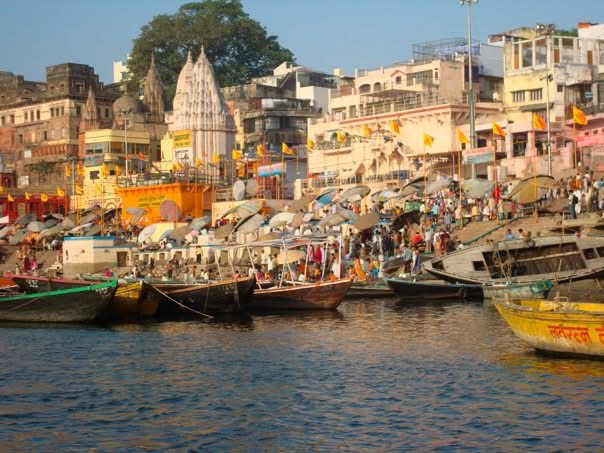
The Ghats of Varanasi
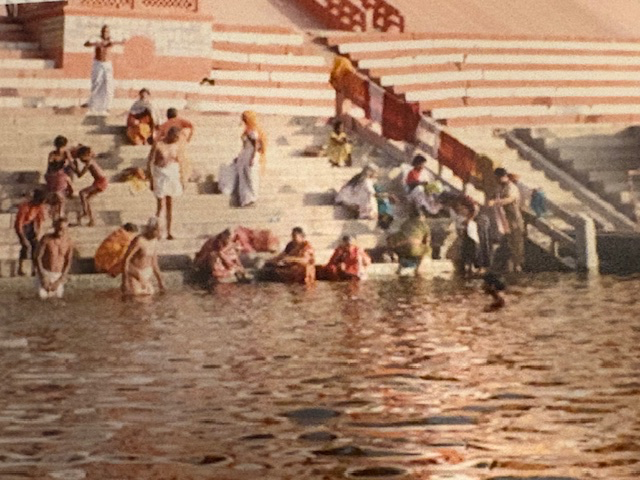
We took this photograph while traveling by boat along the Ganges River in Varanasi. From the water, the famous ghats stretched along the riverbank in a continuous procession of temples, shrines, stone steps, and centuries-old buildings. Boats drifted nearby while pilgrims gathered at the river’s edge, priests conducted religious rituals, and families went about their […]
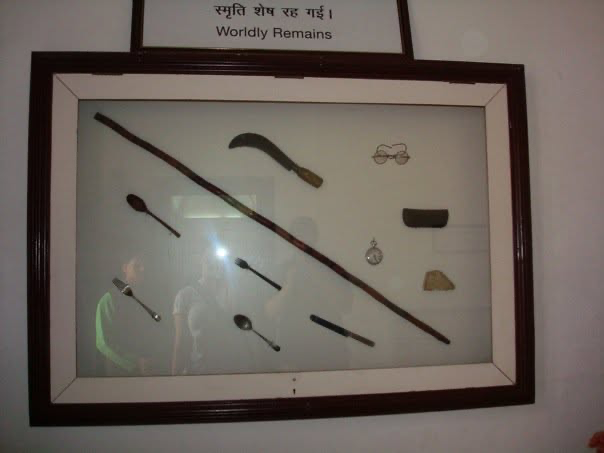
Gandhi’s Worldly Remains
This small collection of personal belongings is preserved at Gandhi Smriti, the memorial established in the former Birla House in New Delhi. Identified by the museum as Gandhi’s “Worldly Remains”, the display contains only a handful of practical objects: his walking staff, reading glasses and case, pocket watch, gardening sickle, pumice stone, and simple eating […]
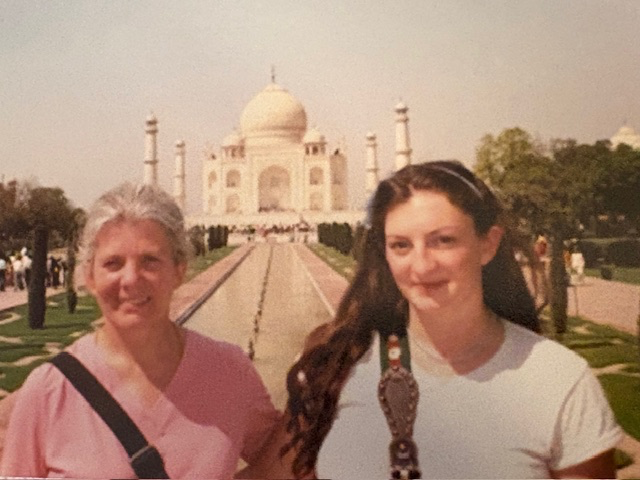
Taj Mahal
There are famous landmarks all around the globe. Sometimes I will go out of my way to visit them, and sometimes I will not. On my first trip to India, I did not feel the need to make the journey to the Taj Mahal. But on my second trip, Erin and I traveled to Agra […]

