Beyond the Early Milestones
We focus a great deal of attention on the developmental milestones of the first six years of life. We watch for the first smile, first steps, first words and the growing ability to play, communicate and learn. But what do we do to support development as our children grow older?
Once the early foundations have been established, there are still countless opportunities to strengthen connections and help the brain organize and integrate new information. Older children continue to learn through movement, sensory experience, curiosity, conversation and meaningful engagement with the world around them.
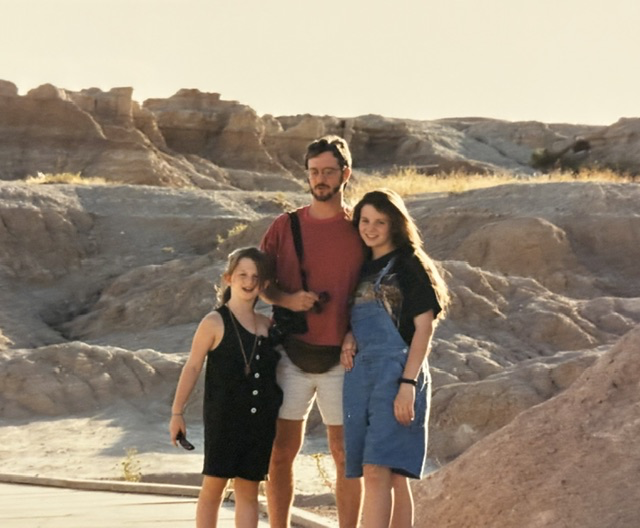
For our family, travel became one way to extend what our daughters were learning through books. We brought them to historic places and museums where they could see works of art, examine objects from the past and stand where important events had occurred. There is no substitute for walking in the footsteps of people previously encountered only on a page or seeing the geography that shaped their lives and decisions.
Our daughters loved books, and one of our family journeys took us to South Dakota to visit places associated with Laura Ingalls Wilder and the Little House stories. Traveling across the prairie and seeing the openness of the landscape gave the books a physical setting. Distances, weather and isolation were no longer simply ideas within a story; they became easier to understand through direct experience.
Experiences like these connect reading with sight, sound, movement, place and emotion. New information becomes linked to something the child already knows, creating a richer and more integrated understanding. A story is no longer confined to words but becomes connected to a landscape, an object and a shared family memory.
Development does not end when the early milestones have been reached. The foundation built during the first years becomes the starting point for deeper learning, broader connections and a lifelong ability to make meaning from experience.
Read More From Nancy
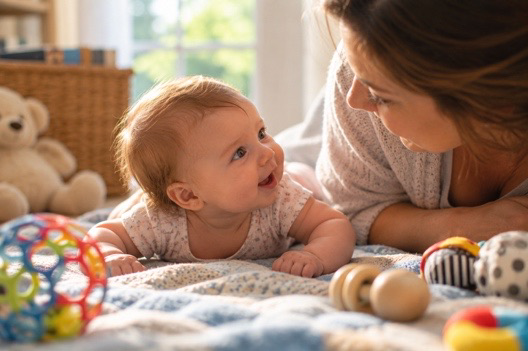
Learning to See Your Baby Differently
One of the things we discovered while raising our own daughters was how much there was to learn simply by watching them. Our education gave us a foundation for understanding development, but being their parents gave us daily opportunities to see it unfold. As parents, we naturally focus on whether our children are comfortable, fed, […]
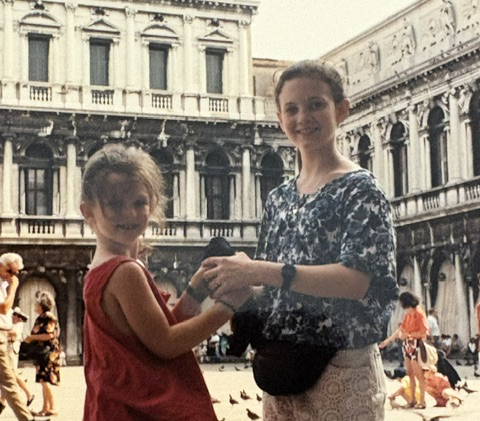
What We Chose to Give Them
The brain grows through stimulation. Whether that stimulation comes from chaos or from an organized and enriched environment, the developing brain responds and adapts to what surrounds it. We cannot control everything our children will encounter, nor can we determine exactly how they will interpret those experiences. But as parents, we do have some control […]
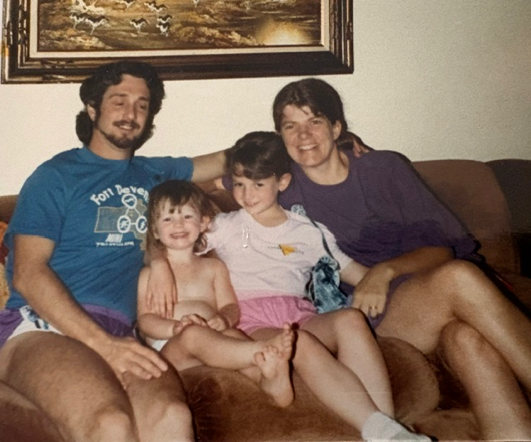
A Family Photo Captures the Moment
When we were raising our daughters, we took pictures with cameras that used film. We had to wait until the film was developed to see what we had captured. Sometimes someone’s eyes were closed, a smile was awkward, or one of the girls had looked away just as the shutter clicked. By the time we […]

