Focused Attention and the Developing Brain
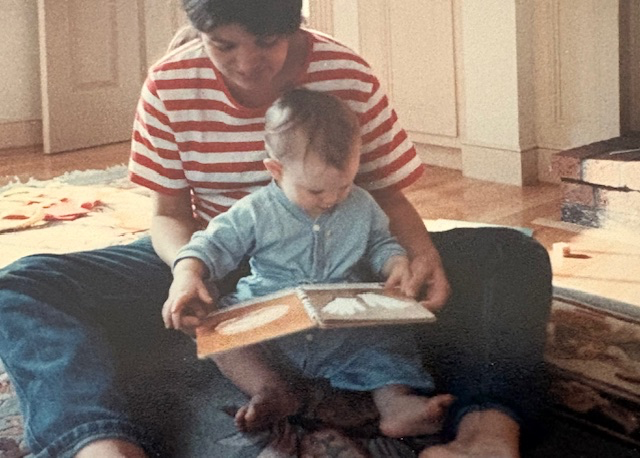
A child’s brain grows and organizes itself in response to experience and stimulation. That stimulation may be predictable and purposeful, or it may be scattered and chaotic. The developing brain responds and adapts to whatever it repeatedly receives.
Children learn from far more than the words we speak. They also respond to facial expressions, tone of voice, touch, movement and the emotional quality of the surrounding environment. When their world feels rushed, distracted or unpredictable, their developing nervous systems must work harder to determine what information is important and how to respond.
Focused attention provides clear, organized communication. When we put aside distractions, move to a child’s level and allow time for a response, we create an opportunity for connection and learning. These interactions can help a child feel recognized, supported and more secure within the relationship.
The developing brain learns through repetition. When a child repeatedly experiences responsive communication, the brain begins to recognize patterns: a facial expression carries meaning, a sound invites a response and a gesture begins an interaction. Over time, these exchanges support the development of attention, communication and social connection.
Focused attention does not require a special activity or an elaborate lesson. It can occur while reading a book, preparing a meal, walking outside or exploring an unfamiliar place together. What matters is the quality of the interaction—the opportunity to notice what interests the child, follow that interest and share the experience.
Focused attention communicates a simple but powerful message: I am here. I am listening. What you are communicating matters. You matter.

Read More From Nancy
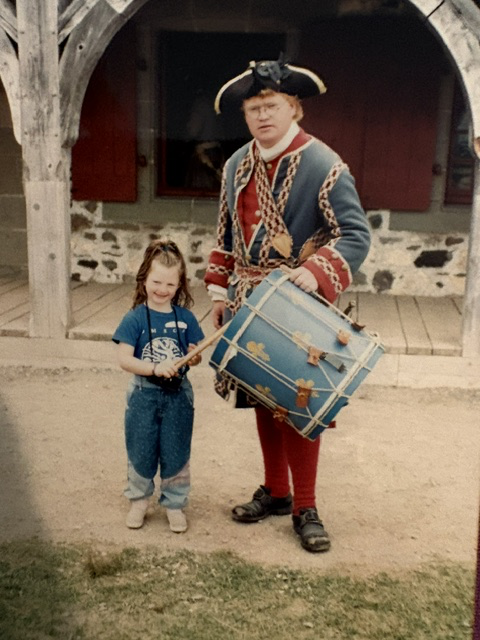
Letting Children Step into the Story
When our daughters were young, we didn’t want their education to exist only in books and classrooms. We wanted them to experience the things they were learning about. To walk through historic places, hear the stories, touch what they were allowed to touch, ask questions, and interact with the people bringing the past to life. […]
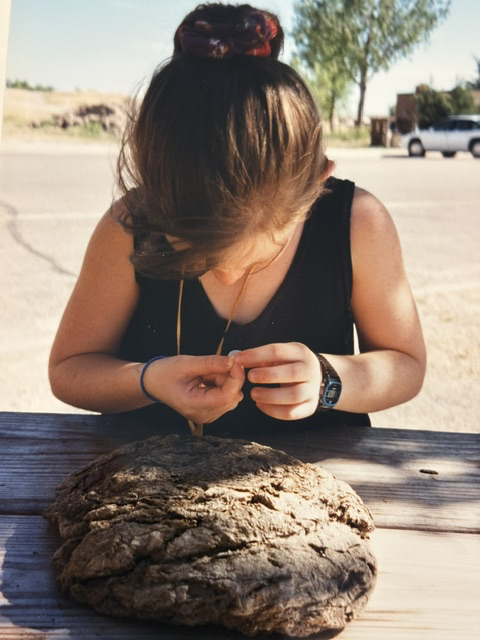
Hands-on Learning
We hear a great deal about hands-on learning, but what does it look like for a child? In our family, it took different forms. Our daughter, Emily, set up her easel and studied a landscape as she painted or drew it. She learned by looking closely: noticing where the light fell, how colors changed, and […]
Like Every Mother
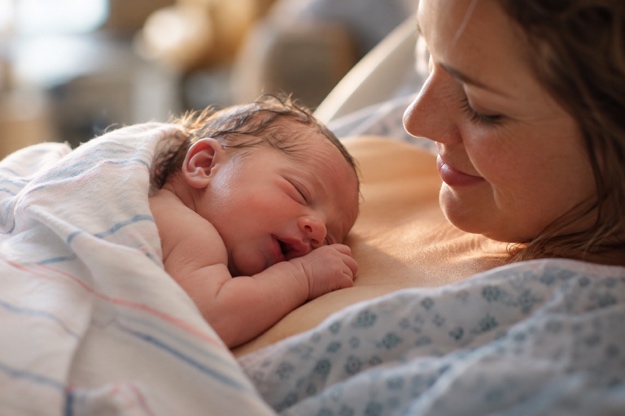
Like every mother, I watched my children closely. I noticed how they slept.How they nursed.How they rolled.How they cried and laughed and smiled. Sometimes things were “just a phase” and sometimes they were not. That is why our book: It’s All in the Head feels so personal to me. Over years, Marty and I have […]

