Berggasse 19
From the street, Berggasse 19 appears to be an ordinary Viennese apartment building. Only the small number above the doorway and the museum plaques reveal the importance of this address. Sigmund Freud moved here with his family in 1891, establishing both his home and his medical practice within the building. For the next forty-seven years, he treated patients, developed the foundations of psychoanalysis, and wrote many of his most influential works here.
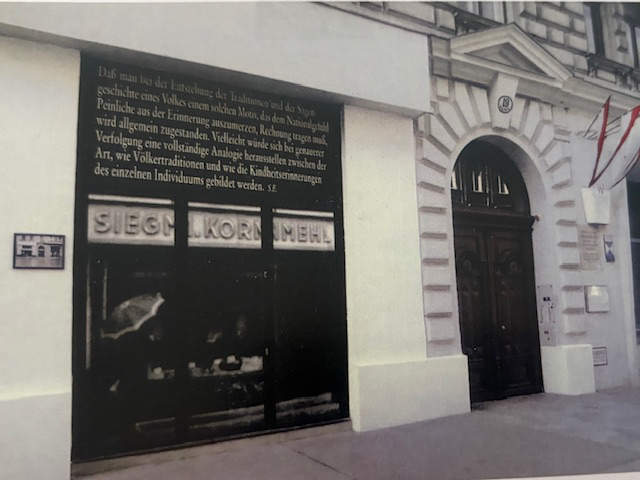
The photograph also preserves a less familiar part of the building’s history. The large black installation beside the entrance reproduces a photograph taken in 1938 of the butcher shop once operated on the ground floor by Siegmund Kornmehl. The divided name visible across the former storefront — “Sieg Korn Mehl” — is not a reference to victory, grain, and flour, as the separated German words might suggest, but the fragmented name of the Jewish shopkeeper who worked there.
The Kornmehl family and the Freud family shared more than an address. Both were Jewish families whose lives were overturned after Nazi Germany annexed Austria in March 1938. Freud’s home was searched, his possessions were seized, and his daughter Anna was detained and interrogated by the Gestapo. With the assistance of friends and supporters, Freud and members of his immediate family escaped to London in June 1938. Siegmund and Helene Kornmehl were also able to leave Vienna, emigrating to Palestine in 1939.
The display incorporates words by Freud concerning the way nations shape their traditions and memories, sometimes removing what is painful from the story they tell about themselves. Placed on the exterior of the museum, those words ask visitors to remember not only the famous man who lived upstairs, but also the people and businesses whose presence was nearly erased from this street.
Our visit began at this unassuming doorway. Inside, we encountered the rooms where Freud lived and worked; outside, we were reminded that Berggasse 19 belonged to a larger community. The building stands as both the birthplace of ideas that transformed our understanding of the human mind and a witness to the persecution that forced Freud, the Kornmehls, and countless other Jewish residents to abandon their homes.
Read More From Nancy
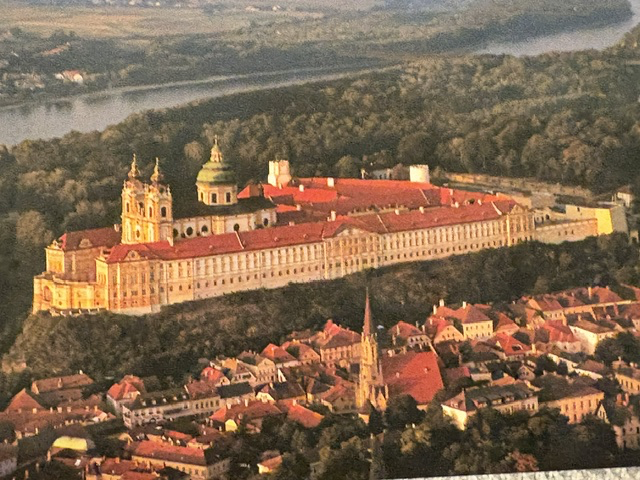
Melk Monastery
One of the most memorable parts of a river cruise along the Danube River, is how the landscape continuously unfolds with castles, monasteries, vineyards and historic towns appearing along the riverbanks. Then suddenly, high above the town of Melk, Melk Abbey comes into view dominating the entire landscape. Seeing it from the river gives you the ame […]
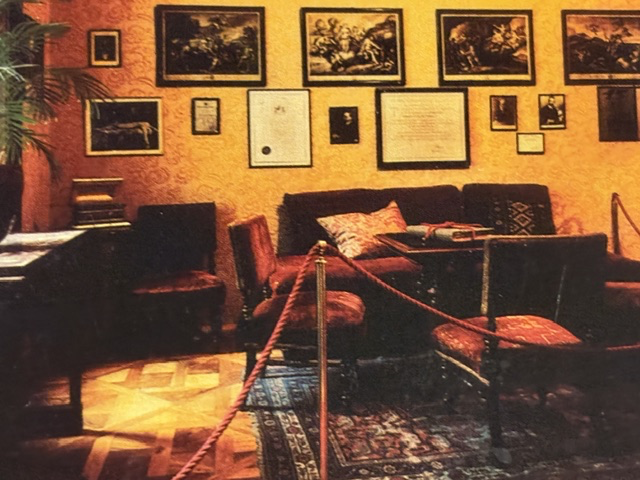
Sigmund Freud Museum
While visiting Vienna, Marty and I visited the Sigmund Freud Museum, located in the apartment and office where Freud lived and worked from 1891 until 1938. This museum offers a glimpse into the environment where one of the most influential thinkers of the modern era developed the theories that would transform psychology and forever change the […]
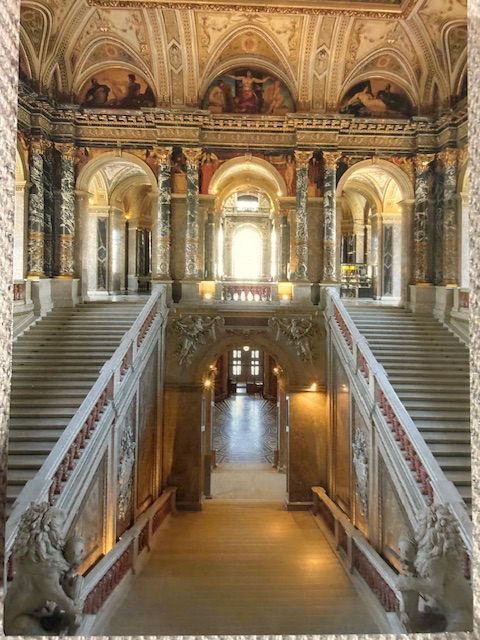
Kunsthistorisches Museum
There are moments in travel when a space becomes an experience, and the grand staircase inside the Kunsthistorisches Museum in Vienna is one of those moments. We expected to see art on the walls, but instead, we found ourselves standing within it. The staircase rises in sweeping marble curves, framed by towering columns and crowned […]

