Melk Monastery
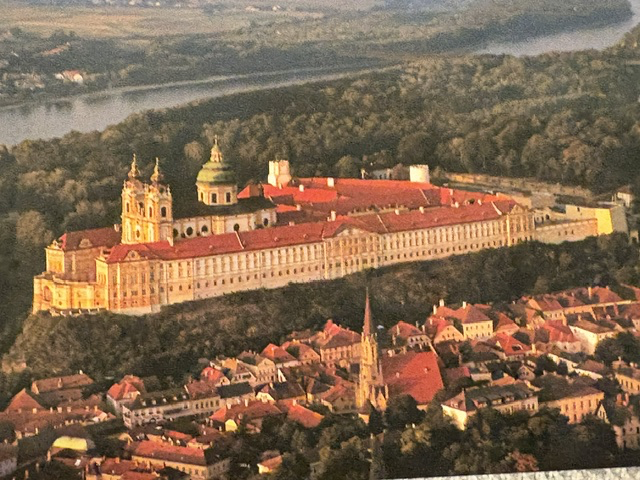
One of the most memorable parts of a river cruise along the Danube River, is how the landscape continuously unfolds with castles, monasteries, vineyards and historic towns appearing along the riverbanks. Then suddenly, high above the town of Melk, Melk Abbey comes into view dominating the entire landscape. Seeing it from the river gives you the ame perspective travelers, merchants, pilgrims and armies would have had for centuries as they moved along this important European waterway.
The Danube is so deeply connected to European history as it flows through multiple countries and cultures and has served for centuries as a pathway for trade, religion, migration and political power. Cruising slowly along the river allows history to unfold around you.
Melk Abbey looks almost unreal as it rises above the water. The golden colored Baroque walls, red rooftops, and domes seem to glow in the sunlight against the surrounding hills and vineyards of the Wachau Valley.
The abbey was originally founded in 1089 when Leopold II gave the site to Benedictine monks. Over the years, it grew into one of the great religious and intellectual centers of Europe. Monks here preserved manuscripts, taught scholarship, composed music, and maintained a spiritual presence that lasted through wars, political changes and centuries of European history.
Inside, Melk Abbey is known for its magnificent library, elaborate frescoes, marble halls, and richly decorated church. It was designed not only as a place of worship, but also as a visible statement of faith, education and cultural importance.
The Wachau Valley, where Melk is located, is recognized as a Wachau Cultural Landscape UNESCO World Heritage designation because of its blend of natural beauty, architecture, and historic preservation.
Read More From Nancy
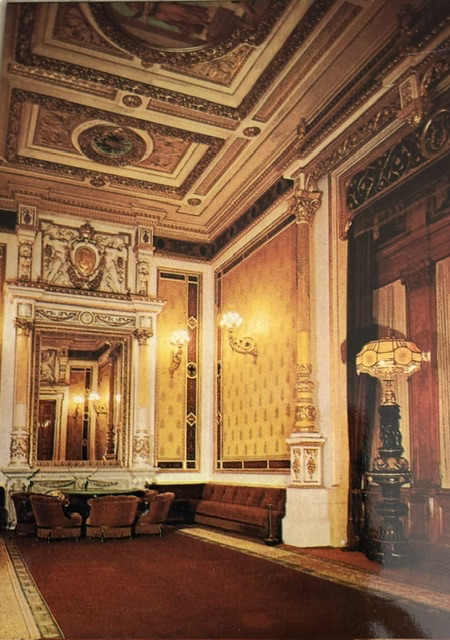
Vienna Opera House
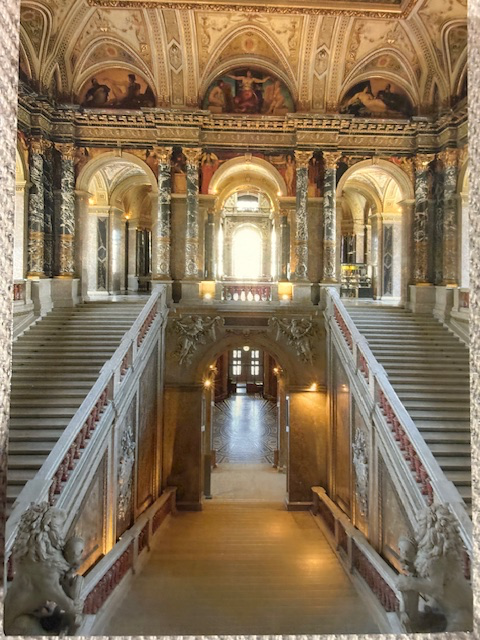
Marty and I took the opportunity to tour the magnificent Vienna State Opera, one of the world’s most celebrated opera houses and a symbol of Vienna’s rich musical heritage. Walking through its grand halls, it was easy to understand why Vienna is often called the music capital of the world. Every room reflects the elegance and cultural […]
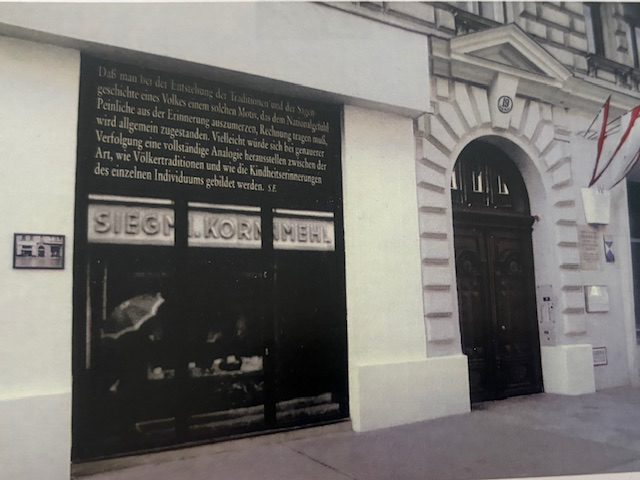
Berggasse 19
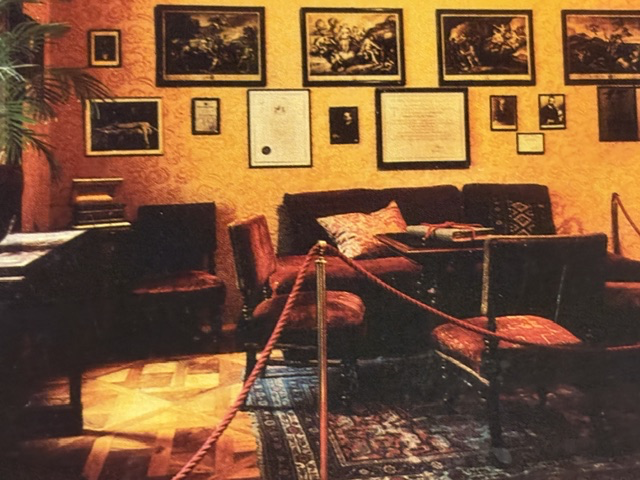
From the street, Berggasse 19 appears to be an ordinary Viennese apartment building. Only the small number above the doorway and the museum plaques reveal the importance of this address. Sigmund Freud moved here with his family in 1891, establishing both his home and his medical practice within the building. For the next forty-seven years, […]
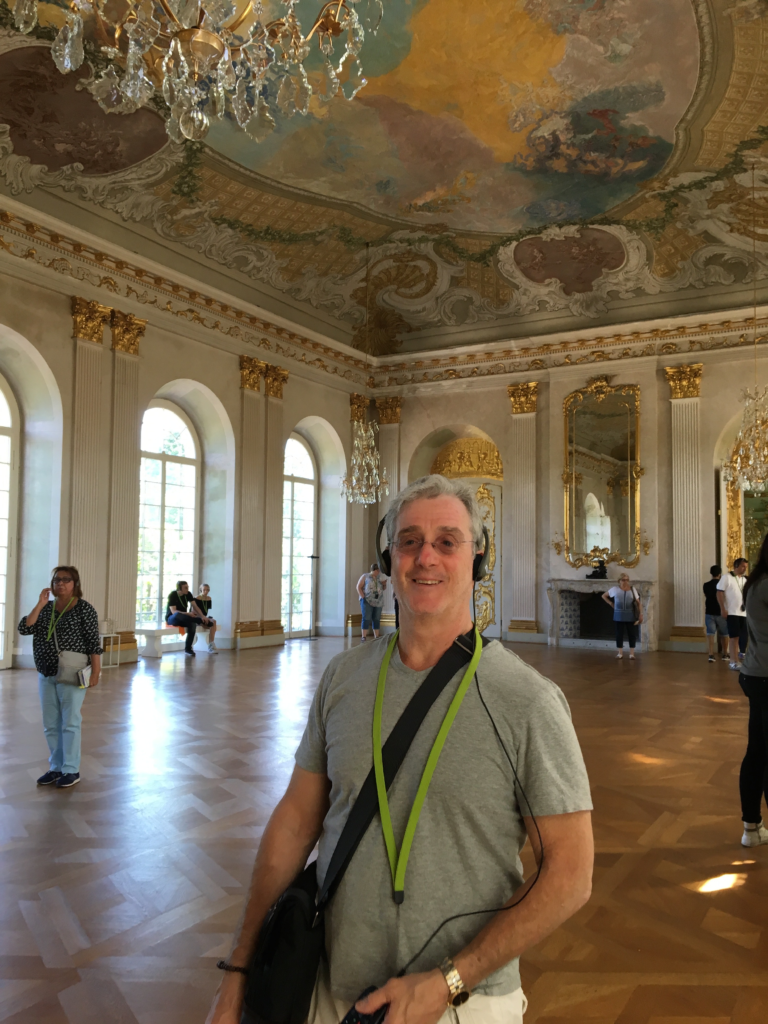
Great Gallery at Schonbrunn Palace
Standing in the Great Gallery at Schönbrunn Palace is Marty during our visits to Vienna. Of all the rooms in the palace, this one best reflects the grandeur and elegance of the Habsburg Empire. Stretching more than 130 feet in length, the gallery was designed to impress every visitor who entered, serving as the setting […]

