Great Gallery at Schonbrunn Palace
Standing in the Great Gallery at Schönbrunn Palace is Marty during our visits to Vienna. Of all the rooms in the palace, this one best reflects the grandeur and elegance of the Habsburg Empire. Stretching more than 130 feet in length, the gallery was designed to impress every visitor who entered, serving as the setting for some of the monarchy’s most important ceremonies and celebrations.
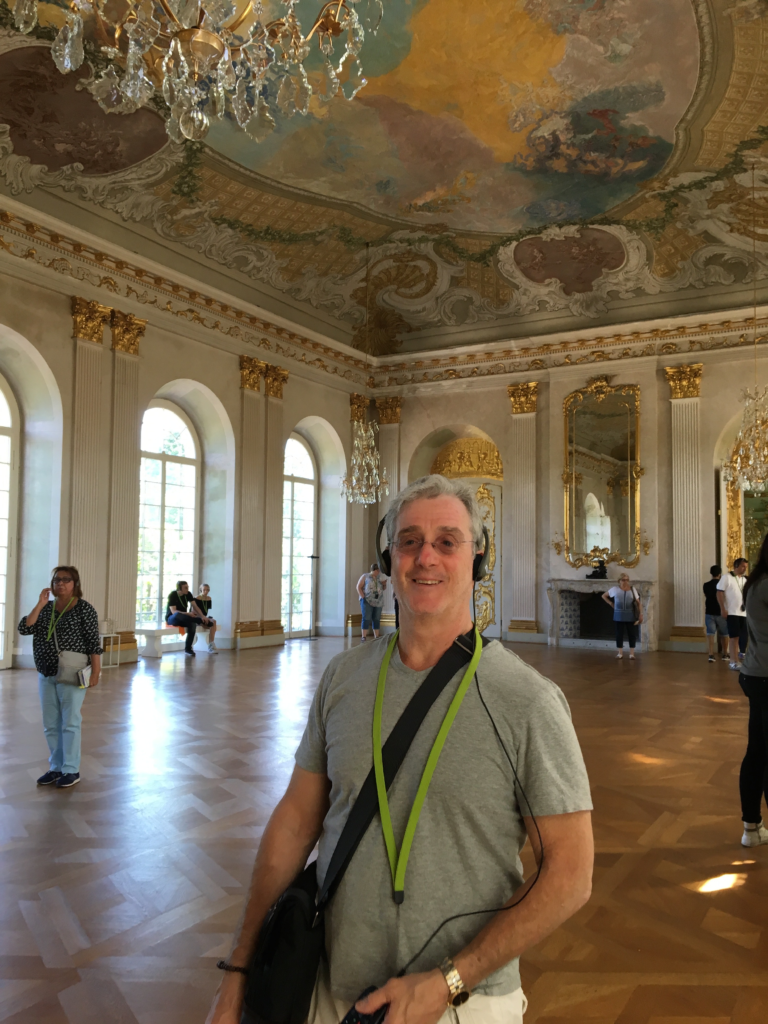
The Great Gallery was completed during the extensive renovation of Schönbrunn under Empress Maria Theresa in the mid-eighteenth century. It became the palace’s principal ceremonial hall, where imperial banquets, court balls, concerts, receptions, and official audiences were held. Guests from across Europe would have walked these same parquet floors beneath the magnificent ceiling, surrounded by crystal chandeliers, gilded mirrors, and marble fireplaces that reflected the wealth and influence of one of Europe’s most powerful dynasties.
Perhaps the room’s greatest masterpiece is the expansive ceiling fresco painted by Gregorio Guglielmi. Rather than depicting a single historical event, the artwork celebrates the prosperity and stability of the Habsburg monarchy through allegorical figures representing the virtues, achievements, and aspirations of the empire. The painting seems to open the ceiling to the sky, creating an illusion that was a hallmark of Rococo design.
The gallery continued to serve as an important setting long after the age of emperors. In June 1961, this magnificent room became the site of one of the twentieth century’s most significant diplomatic meetings when President John F. Kennedy and Soviet Premier Nikita Khrushchev met here during the height of the Cold War. It is remarkable to think that the same room built for imperial celebrations later hosted discussions that carried global significance.
Read More From Nancy
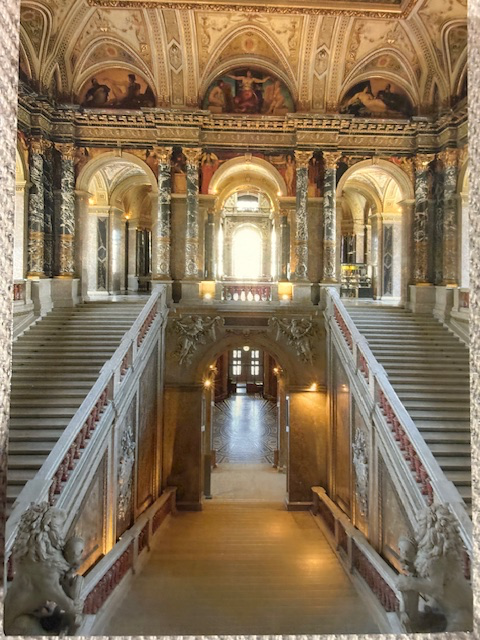
Kunsthistorisches Museum
There are moments in travel when a space becomes an experience, and the grand staircase inside the Kunsthistorisches Museum in Vienna is one of those moments. We expected to see art on the walls, but instead, we found ourselves standing within it. The staircase rises in sweeping marble curves, framed by towering columns and crowned […]
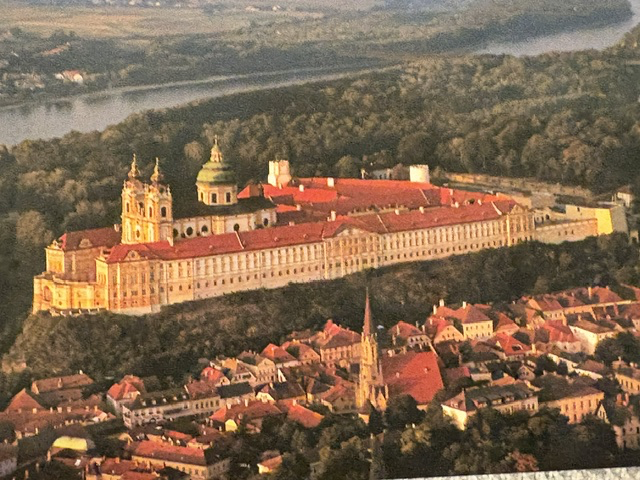
Melk Monastery
One of the most memorable parts of a river cruise along the Danube River, is how the landscape continuously unfolds with castles, monasteries, vineyards and historic towns appearing along the riverbanks. Then suddenly, high above the town of Melk, Melk Abbey comes into view dominating the entire landscape. Seeing it from the river gives you the ame […]
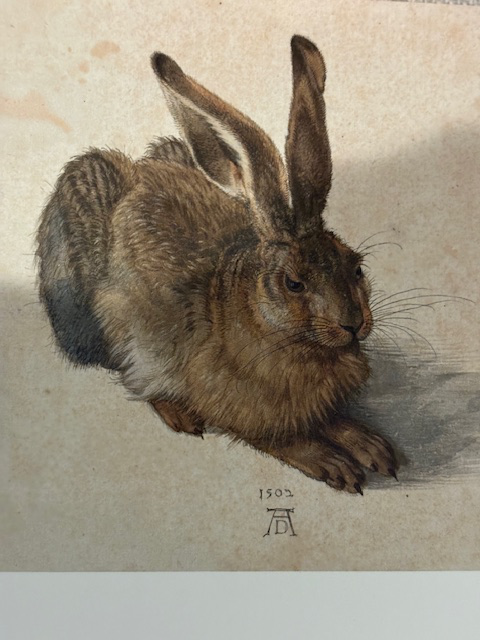
Durer’s “The Young Hare”
While exploring the Albertina Museum, we went to view one of the museum’s most famous treasures: The Young Hare by Albrecht Durer. Painted in 1502, the image of the hare is astonishingly lifelike. Every strand of fur, whiskers, reflection in the eye and the subtle shadow was created with precision and observation. It is difficult to believe something so […]

