Steveston Museum and Post Office
During our time in British Columbia, we visited the Steveston Museum and Post Office in the historic fishing village of Steveston. Its modest size and welcoming appearance reflect the type of community museum that preserves the stories of everyday life.
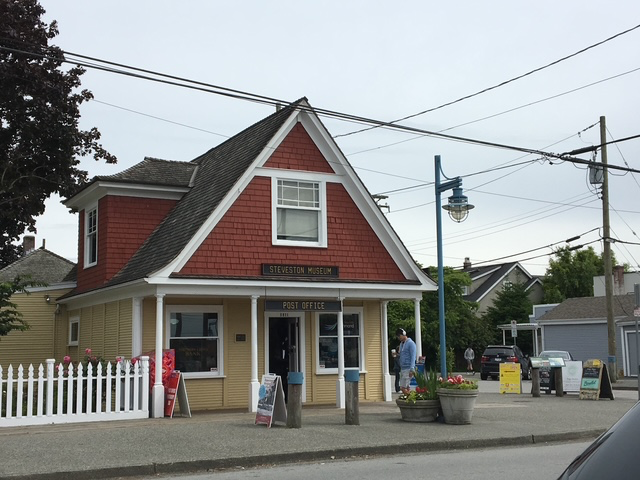
The building was constructed in 1905 as Steveston’s first bank. Originally occupied by the Northern Bank, it was built during a period when fishing and salmon canning were transforming this small settlement near the mouth of the Fraser River into a busy commercial community.
Steveston developed around its harbor and canneries. Indigenous, Japanese, Chinese, European, and other workers all contributed to its fishing industry, although their experiences and opportunities were far from equal. Museum displays use photographs and local artifacts to document the people who worked aboard fishing boats, labored in the canneries, operated businesses, and raised families within the village.
The museum also shares the history of Steveston’s Japanese Canadian community. Japanese fishermen and their families established homes, businesses, a school, a hospital, and community organizations here. During the Second World War, they were forcibly removed from the British Columbia coast, and their property, boats, and livelihoods were taken from them.
The former bank building became the Steveston Museum in 1979. It also contains a working Canada Post office, allowing the building to continue serving the community while preserving its past. That combination gives it the feeling of a living village institution rather than a building devoted only to history.
Our visit offered a closer look at the people and industries that shaped Steveston. The museum may be small, but its setting inside a former bank and active post office makes it an appropriate place to tell the story of a community built through fishing, immigration, work, and resilience.
Read More From Nancy
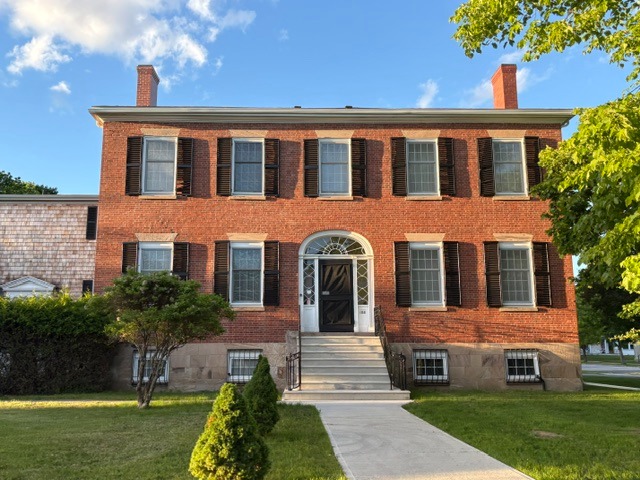
Chestnut Hall and the Ross Memorial Museum
Built in 1824, Chestnut Hall has served as a private residence, a center for regional crafts, and a museum. The red-brick house on Montague Street was constructed for Harris Hatch, an attorney and prominent Charlotte County resident. Its symmetrical windows, dark shutters, and central entrance reflect its classical design. A patterned fanlight and sidelights surround […]
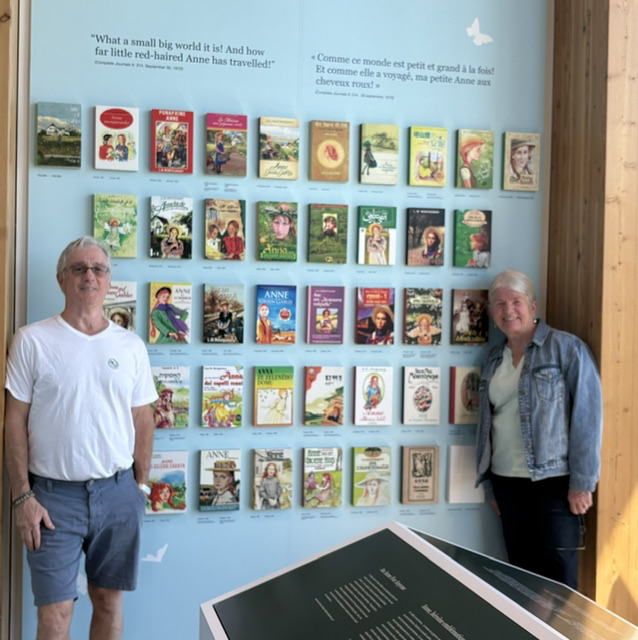
Lucy Maud Montgomery Museum
Standing before this wall of books at the Lucy Maud Montgomery Museum in Prince Edward Island, I found myself thinking less about Anne Shirley than about the remarkable woman who created her. The books represent far more than a successful literary career. They tell the story of a life shaped by loss, perseverance, imagination, and […]

