Gulf of Georgia Cannery
While teaching in Vancouver, Marty and I took a drive to the historic fishing village of Steveston to visit the Gulf of Georgia Cannery National Historic Site. Located at the mouth of the Fraser River, Steveston was once the center of British Columbia’s salmon fishing industry. Today, the beautifully preserved cannery tells the story of the people, technology, and determination that helped build one of Canada’s most important industries.
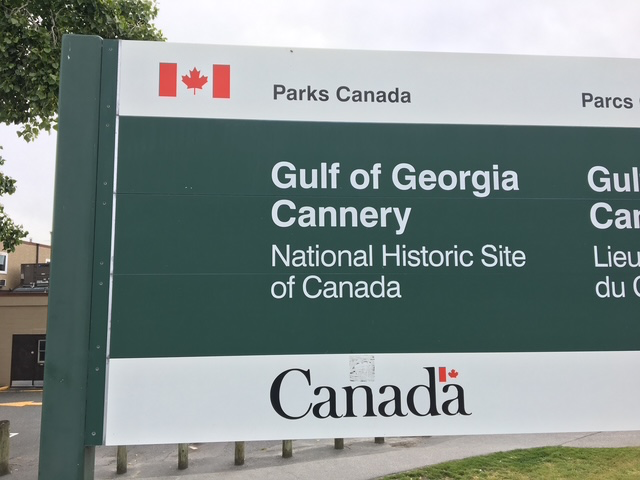
Built in 1894, the Gulf of Georgia Cannery quickly became one of the largest salmon canneries in British Columbia, earning the nickname “The Monster Cannery.” Every summer, fleets of fishing boats arrived loaded with Pacific salmon harvested from the Fraser River. Inside, hundreds of workers cleaned, cut, cooked, packed, and sealed the fish before the cans were shipped throughout Canada and around the world.
As we explored the cannery, what impressed me most was the incredible coordination required to keep the operation running. Every stage of production depended on skilled workers performing specialized tasks. Fishermen harvested the salmon, while others unloaded the boats, cleaned and prepared the fish, operated the machinery, cooked and packed the salmon, sealed the cans, applied labels, maintained the equipment, and prepared the finished product for shipment. Each person contributed an essential skill, and together they created an efficient system capable of processing thousands of fish during the brief salmon season.
The workforce reflected the diversity of British Columbia’s growing coastal communities. Indigenous fishermen brought generations of knowledge about the river and the salmon runs. Japanese fishermen and boat builders became known for their expertise on the water. Chinese workers played important roles in the processing lines, while mechanics, engineers, coopers, machinists, supervisors, and countless others kept every part of the operation moving. Walking through the exhibits, I came away with an appreciation for how many different talents were needed to make a single cannery function successfully.
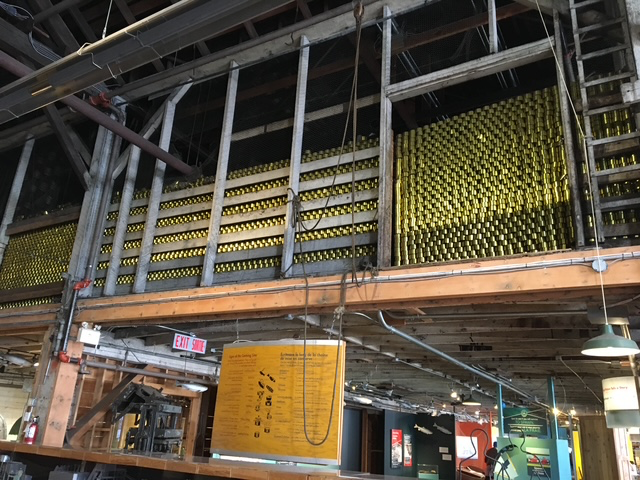
One exhibit that particularly caught my attention was the towering wall of salmon cans stacked high above the factory floor. It vividly illustrates the enormous scale of the operation and the volume of food that passed through the cannery each season. Standing beneath those shelves and watching the demonstrations of the machinery, I gained a new appreciation for the ingenuity, craftsmanship, and organization that transformed freshly caught salmon into a product that reached dinner tables around the world.
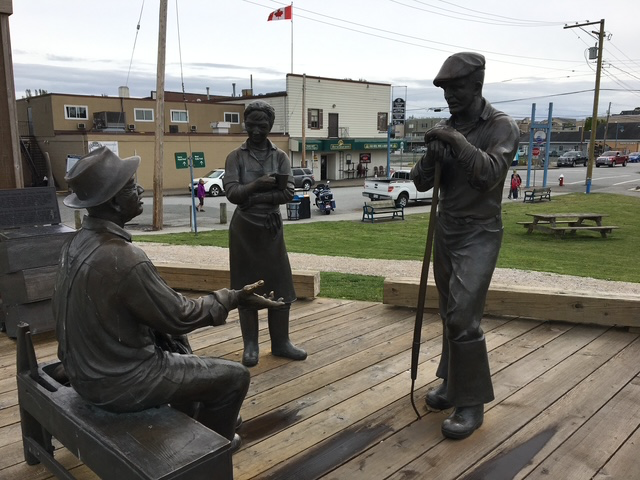
Outside the cannery, sculptures of fishermen and cannery workers stand as a tribute to the generations of people whose labor built both the industry and the community of Steveston. The Gulf of Georgia Cannery preserves far more than an old factory. It preserves the story of innovation, skilled workmanship, and cooperation—showing how people with different talents worked together to create one of Canada’s most successful salmon canneries.
Read More From Nancy
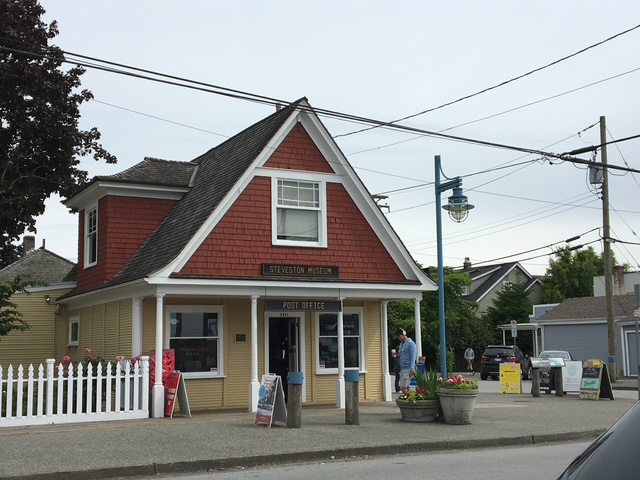
Steveston Museum and Post Office
During our time in British Columbia, we visited the Steveston Museum and Post Office in the historic fishing village of Steveston. Its modest size and welcoming appearance reflect the type of community museum that preserves the stories of everyday life. The building was constructed in 1905 as Steveston’s first bank. Originally occupied by the Northern […]
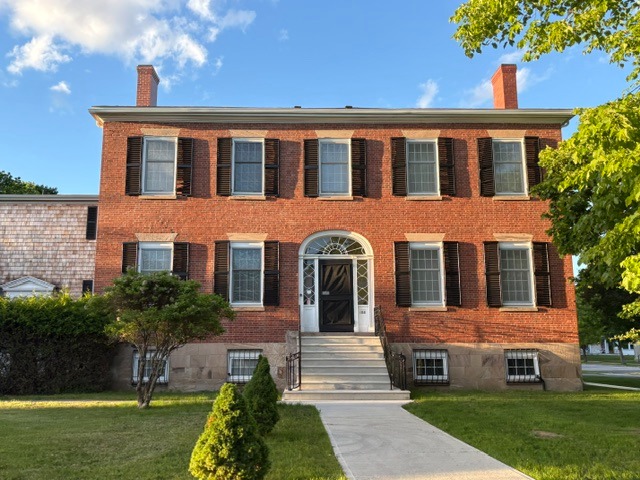
Chestnut Hall and the Ross Memorial Museum
Built in 1824, Chestnut Hall has served as a private residence, a center for regional crafts, and a museum. The red-brick house on Montague Street was constructed for Harris Hatch, an attorney and prominent Charlotte County resident. Its symmetrical windows, dark shutters, and central entrance reflect its classical design. A patterned fanlight and sidelights surround […]

