Fort Beauséjour Museum
The stone building beside the ruins of Fort Beauséjour looks old enough to belong to the fort’s military past. Its steep green roof, chimneys, and substantial walls suggest permanence. Yet it was built for a different purpose: to preserve and explain the history of a place where armies had once fought.
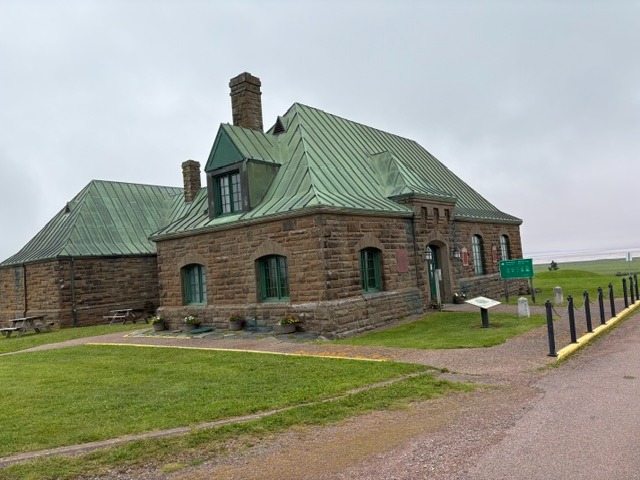
Opened in 1936, the museum belongs to the twentieth-century effort to protect Canada’s historic sites. Its construction also served an immediate need during the Great Depression. Funding came through the Public Works Construction Act of 1934, which supported building projects as a form of economic relief. Preserving the past became part of providing work in a difficult present.
An important figure behind the site’s preservation was Dr. John Clarence Webster. An internationally respected surgeon, Webster retired from medicine in 1919 and returned to his hometown of Shediac. He devoted much of his later life to researching Maritime history and helping preserve places such as Fort Beauséjour, Port-Royal, and Louisbourg. His efforts brought the significance of the Beauséjour–Cumberland region to wider public and government attention.
The museum’s architecture gave that preservation effort a distinctive home. Inspired by the Château style, the building combines rough-faced stone with a steep copper roof, dormer windows, gables, and flared eaves. These features created a picturesque structure suited to its prominent position above the surrounding landscape. It was recognized as a Classified Federal Heritage Building in 1991.
In 1949, the Webster wing opened to house hundreds of objects he had collected in New Brunswick and Nova Scotia. The addition gave physical form to years of historical interest and collecting, placing regional artifacts within the setting of the fort.
The museum tells a later chapter in the history of this battlefield. Its walls were built to shelter collections and welcome visitors. Behind them lies the work of people who recognized that the ruins, objects, and stories of the region needed a lasting home.
Read More From Nancy
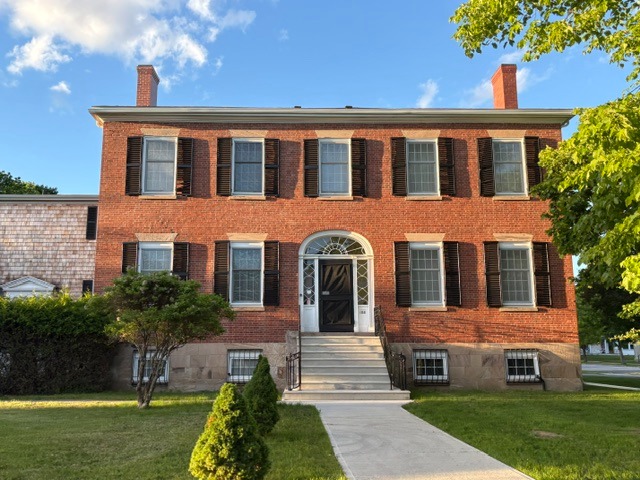
Chestnut Hall and the Ross Memorial Museum
Built in 1824, Chestnut Hall has served as a private residence, a center for regional crafts, and a museum. The red-brick house on Montague Street was constructed for Harris Hatch, an attorney and prominent Charlotte County resident. Its symmetrical windows, dark shutters, and central entrance reflect its classical design. A patterned fanlight and sidelights surround […]
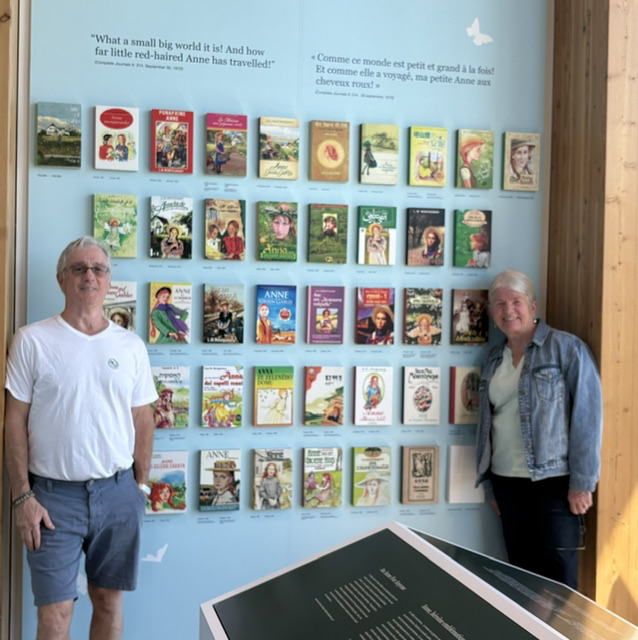
Lucy Maud Montgomery Museum
Standing before this wall of books at the Lucy Maud Montgomery Museum in Prince Edward Island, I found myself thinking less about Anne Shirley than about the remarkable woman who created her. The books represent far more than a successful literary career. They tell the story of a life shaped by loss, perseverance, imagination, and […]

