The Book That Made the Journey
This early edition of Anne of Green Gables, published in 1908, represents far more than the beginning of one of the world’s best-loved books. Looking at it after learning how Lucy Maud Montgomery’s manuscript reached her Boston publisher made me realize just how much had to happen before Anne could ever reach her readers.
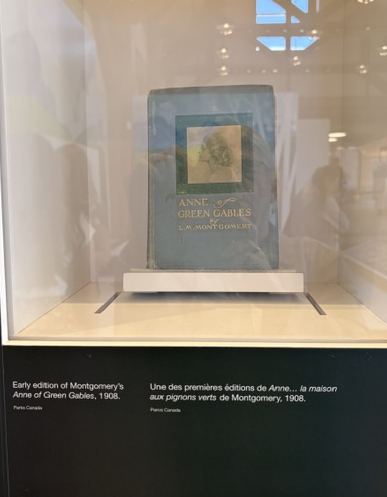
Montgomery wrote the novel while living in Cavendish, Prince Edward Island, far from the major publishing centers of the day. Getting a manuscript to a publisher in 1907 meant physically transporting the only copy across a considerable distance. Her package had to travel about 18 kilometres from Cavendish to Hunter River, probably by horse and wagon or sleigh, before being placed aboard the railway.
From there, its journey became even more precarious. The manuscript traveled by train to Cape Traverse, where mail crossed the Northumberland Strait to Cape Tormentine, New Brunswick. During the winter months, that could mean traveling aboard an iceboat, part boat and part sled, which crews sailed through open water and physically hauled across stretches of sea ice.
Safely on the mainland, the package continued by rail through the Maritimes and eventually by steamship to Boston. Sometime around March 1907, it reached L. C. Page & Company, a Boston publishing house.
And even getting it there did not guarantee publication. Montgomery had already experienced rejection. She had first submitted Anne of Green Gables to several publishers in 1905, received rejections, and put the manuscript away in a hatbox. When she returned to it in 1907 and tried again, L. C. Page accepted it.
The book was published in June 1908, and what happened next was extraordinary. Anne of Green Gables quickly became a commercial success, going through multiple printings and establishing Montgomery as an internationally known author. Mark Twain famously praised Anne as “the dearest and most lovable child in fiction” since Alice.
A manuscript written in a small community on Prince Edward Island survived rejection, was put away and rediscovered, traveled by horse, railway, across the Northumberland Strait, onward through the Maritimes and finally to a publisher in Boston. Then it had to be read, accepted, printed, bound, distributed and placed into the hands of readers.
The little book behind this glass represents the moment when Anne’s journey changed completely. Until 1908, Anne Shirley existed primarily in the imagination of Lucy Maud Montgomery. Once this book began circulating, Anne belonged to readers around the world.
Read More From Nancy
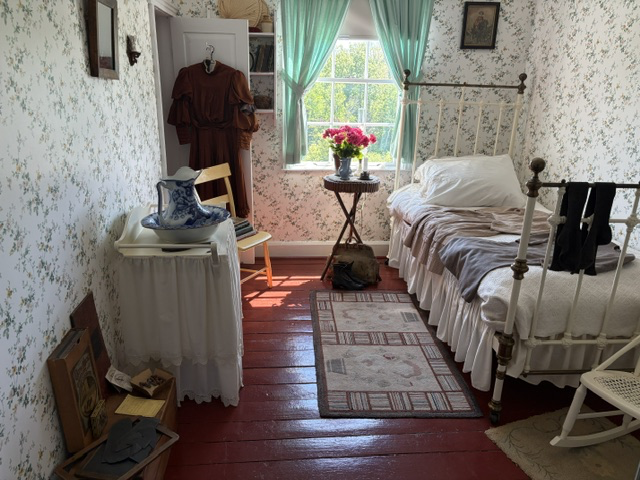
Anne’s East-Gable Bedroom
This small bedroom at Green Gables did not belong to Lucy Maud Montgomery, nor did a real girl named Anne Shirley ever sleep here. Instead, it has been arranged according to Montgomery’s descriptions of the east-gable room that became Anne’s first true bedroom in Anne of Green Gables. It is one of the places where […]
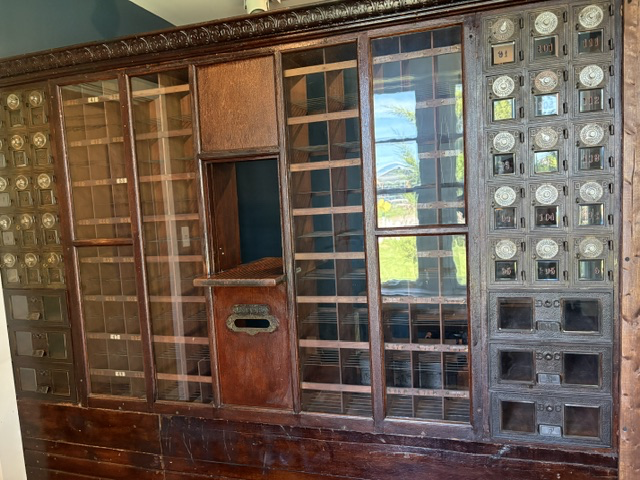
Office Sorting Case and Lockboxes
Before rural home delivery became common, receiving a letter often meant making a trip to the post office. Inside, the postmaster worked behind a wooden wall much like this one, sorting the day’s incoming mail into individual compartments and numbered boxes. The large open sorting case in the center was the working side of the […]
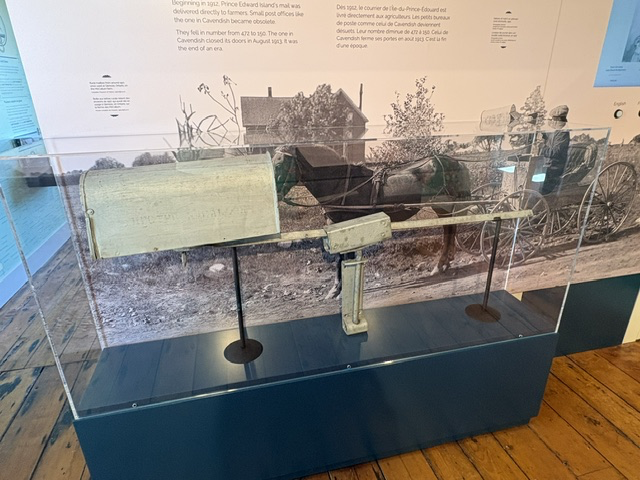
Rural Mailbox
For generations on Prince Edward Island, getting the mail meant going to the local post office. These small post offices were scattered throughout the Island’s towns and rural communities, serving as the place where letters arrived, news was exchanged and residents maintained their connection with the outside world. Then, in 1912, something changed. Prince Edward […]

