Harvard Museum of Natural History
The Harvard Museum of Natural History is one of those museums I have returned to a few times over the years. Located on the Harvard University campus in Cambridge, it is not simply a collection of natural curiosities. It brings together specimens and objects from Harvard’s enormous scientific collections and provides a public window into research and teaching that have been taking place at the university for generations.
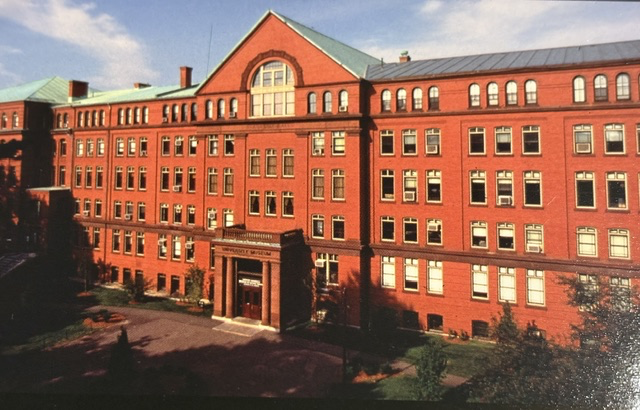
The museum itself is relatively young, opening to the public in 1998, but the collections behind it are much older. It was created from the collections of three Harvard institutions: the Museum of Comparative Zoology, the Harvard University Herbaria, and the Mineralogical & Geological Museum. Some of these collections date to the 19th century and were assembled for scientific study rather than originally intended as museum displays.
That history explains the remarkable variety inside. Walking through the galleries, we encounter dinosaurs and fossils, mammals, birds, insects, minerals and meteorites, along with exhibits exploring evolution, climate, biodiversity, and the natural world. The museum contains millions of specimens in its research collections, although only a small fraction can ever be displayed publicly.
Among the museum’s many collections, my favorite is the Glass Flowers. At first glance, it is difficult to believe that these delicate botanical specimens are made of glass. Flowers, leaves, stems, fruits, and even tiny details of plant anatomy have been reproduced with such precision that they appear almost real. The collection is both a scientific teaching tool and an extraordinary example of craftsmanship.
The collection consists of thousands of extraordinarily detailed glass models created by Leopold and Rudolf Blaschka, a father and son team of glassmakers working in Germany. Between 1886 and 1936, they produced about 4,300 individual models representing more than 780 plant species for Harvard.
Harvard botanist George Lincoln Goodale faced a basic problem in teaching botany. Living plants were seasonal, dried specimens flattened and lost their natural appearance, and the wax or papier-mâché botanical models then available weren’t sufficiently realistic. He had seen the Blaschkas’ remarkably lifelike glass models of marine invertebrates and wondered whether they could do the same thing with plants.
The resulting models reproduce flowers, leaves, stems, fruits, roots, and minute anatomical structures with extraordinary accuracy. Some show plants at different stages of development; others illustrate disease or decay. Enlarged models reveal botanical structures that students would otherwise need a microscope to examine.
The project was made possible by Elizabeth Cabot Ware and her daughter Mary Lee Ware, who financed the collection. It became formally known as the Ware Collection of Blaschka Glass Models of Plants, created in memory of Dr. Charles Eliot Ware, Mary’s father.
Read More From Nancy
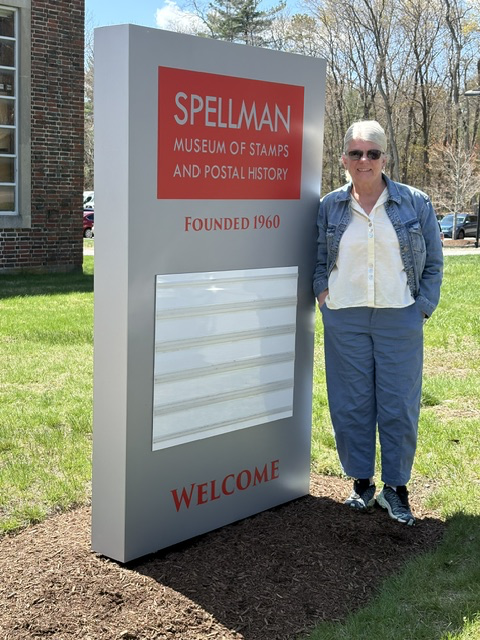
The Spellman Museum of Stamps & Postal History
Tucked onto the campus of Regis College in Weston is a museum unlike almost any other: the Spellman Museum of Stamps & Postal History. Founded in 1960, the museum is devoted to stamps, postal history, and the many stories that can be discovered through something as small as a postage stamp. My connection to the […]
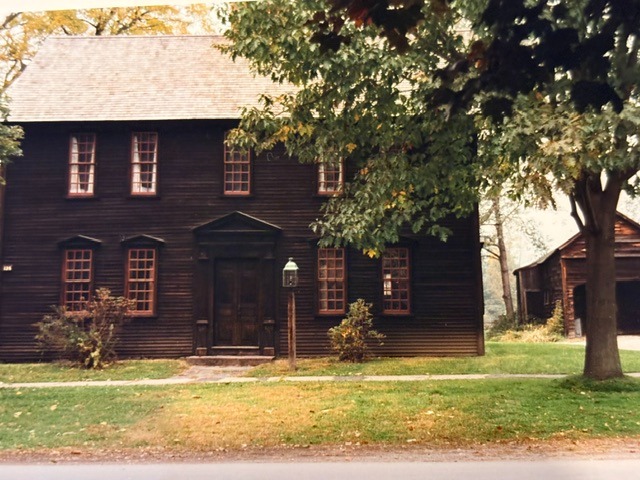
Historic Deerfield
Our visit to Historic Deerfield brought us into a village where preserved houses and household objects help tell the history of New England. Walking among these buildings offered an opportunity to consider how people lived, what they valued, and how their homes changed over time. The tour also introduced us to the conflicts that shaped […]
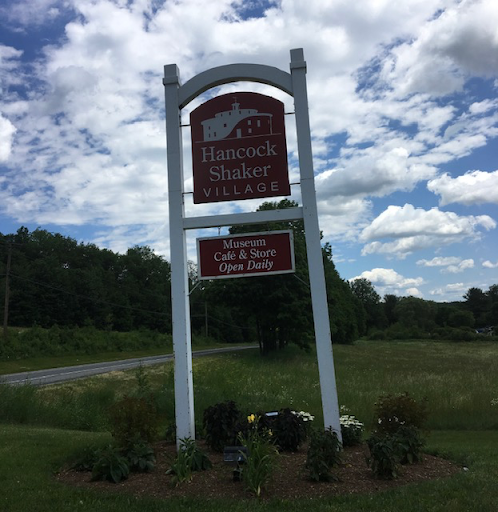
Hancock Shaker Village
When you visit Hancock Shaker Village, you are not simply touring historic buildings—you are stepping into one of the most successful communal societies in American history. The village tells the story of the Shakers, whose commitment to faith, innovation, and craftsmanship transformed this corner of the Berkshires into a thriving community that still inspires visitors […]

