Canyonlands National Park
Stretching across southeastern Utah, this vast wilderness is a maze of deep canyons, towering mesas, rugged buttes, and sandstone cliffs that have been sculpted over millions of years by the Colorado River and the Green River.
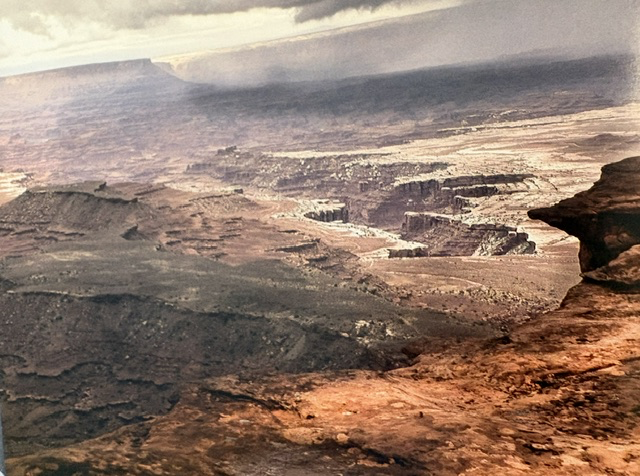
Canyonlands National Park was established on September 12, 1964, to preserve one of the most spectacular and unspoiled canyon landscapes in the American Southwest. More than 337,000 acres of colorful desert wilderness protect an extraordinary record of geological history and the cultural heritage of the people who have called this region home for thousands of years.
The park’s remarkable landscape was created as the Colorado and Green Rivers, together with countless smaller tributaries, slowly carved through thick layers of sedimentary rock. Layer by layer, the rivers cut deeper into the Colorado Plateau, leaving behind a breathtaking network of canyons, mesas, spires, arches, and isolated buttes. The result is a landscape so immense that it is best appreciated from the overlooks, where the eye can follow the winding rivers far below through an almost endless expanse of stone.
Canyonlands remains a place where nature dominates. Vast distances, quiet solitude, dark night skies, and an absence of modern development allow visitors to experience the Southwest much as it appeared centuries ago. Standing at one of the overlooks, the scale of Canyonlands is almost impossible to comprehend. The rivers that appear so small below have patiently carved one of the largest and most intricate canyon systems on Earth. It is a place that reminds us that nature’s greatest works are rarely sudden. They are created through the quiet, persistent forces of water, wind, and time, shaping a landscape whose beauty is measured not only in miles, but in millions of years.
Read More From Nancy
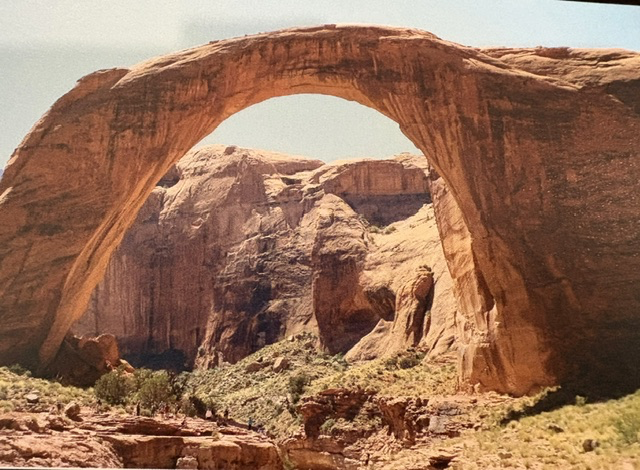
Rainbow Bridge National Monument
Rainbow Bridge National Monument was established on May 30, 1910, to protect what is widely recognized as one of the world’s largest known natural bridges. Rising 290 feet above the canyon floor with a span of 275 feet, this extraordinary formation stands in the remote canyon country of southern Utah, where it has inspired awe […]
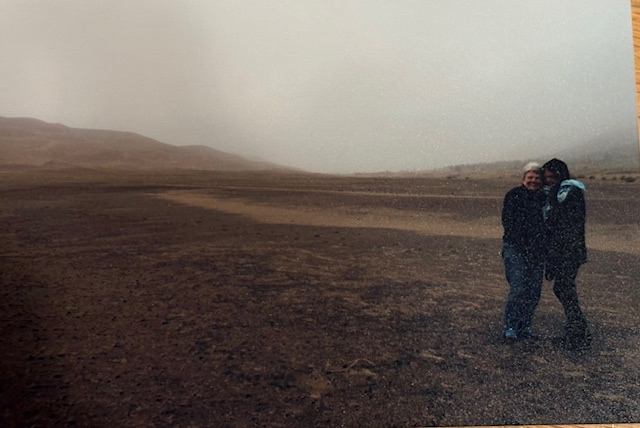
Great Sand Dunes National Park
A special trip to Colorado brough Erin and me there, where we met Emmy. When we met at the airport, the weather was warm and sunny, and it felt like the beginning of an easy day. We set off with the intention of visiting the Great Sand Dunes, expecting wide open skies and calm views. […]
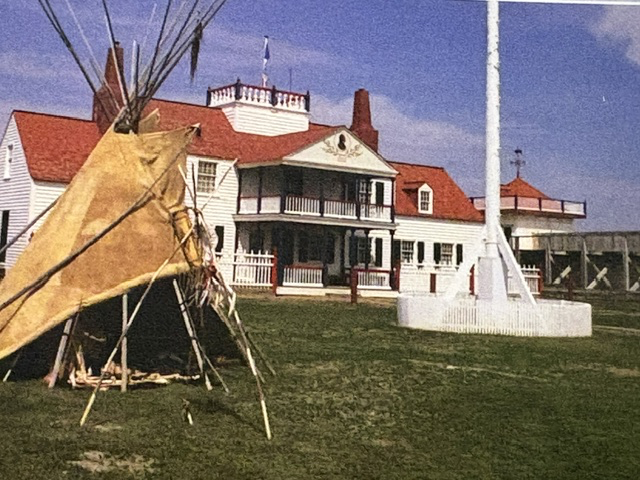
Fort Union Trading Post National Historic Site
Fort Union Trading Post National Historic Site in Williston, North Dakota, preserves the most important fur trading post on the upper Missouri River. Established as a National Historic Site in 1966, the reconstructed fort tells the story of a bustling commercial center where cultures met, friendships were formed, and commerce shaped the future of the […]

