Black Canyon of the Gunnison National Park
Some landscapes seem almost impossible to explain. Standing on the rim of Black Canyon of the Gunnison, I found myself wondering how a river could create such a narrow, steep, and dramatic gorge. Unlike the broad vistas of the Grand Canyon, Black Canyon feels compressed. Towering cliffs plunge almost vertically toward the Gunnison River, and in many places the canyon is so narrow that sunlight reaches the floor for only a brief time each day, giving the canyon its distinctive name.
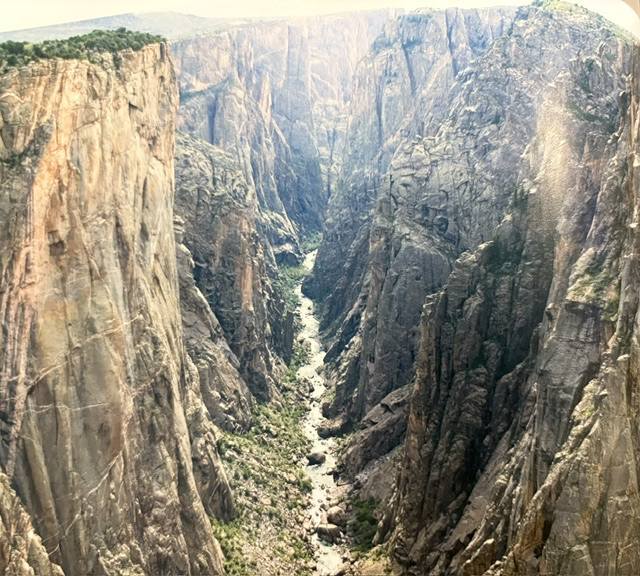
The story of this landscape begins nearly two billion years ago. The dark walls of the canyon expose some of the oldest rock in North America—ancient Precambrian gneiss and schist that formed deep within the earth long before complex life existed. Millions of years later, the Gunnison River began cutting through this extraordinarily hard crystalline rock. Because the river descends rapidly while flowing through such resistant stone, it carved one of the steepest and narrowest canyons on the continent.
Recognizing its unique geological significance, President Herbert Hoover established Black Canyon of the Gunnison National Monument on March 2, 1933. More than six decades later, on October 21, 1999, Congress redesignated it as Black Canyon of the Gunnison National Park, ensuring permanent protection for one of America’s most extraordinary geological landscapes.
We often think of change as something sudden and dramatic, yet Black Canyon demonstrates that the most enduring transformations are often the result of small, persistent forces acting over unimaginable lengths of time. It is one of those places that reminds us just how ancient our world truly is.
Read More From Nancy
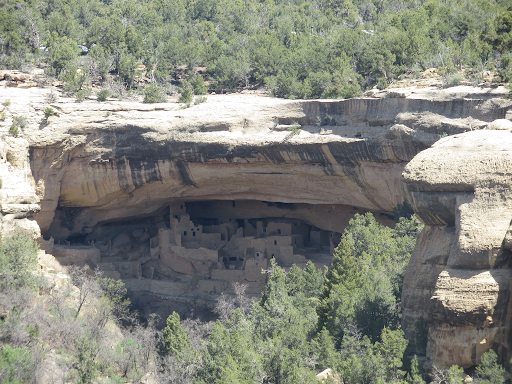
Mesa Verde National Park
Wishing to visit Mesa Verde National Park took some planning. Mapping out visits to our national parks always does, these are not places you simply pass by. They require intention. For this trip, the best place to begin was Durango, Colorado. From there, the drive slowly brings us into a landscape that feels both open and […]
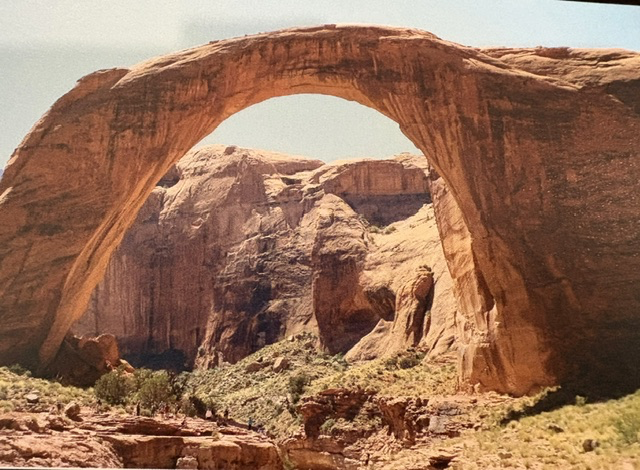
Rainbow Bridge National Monument
Rainbow Bridge National Monument was established on May 30, 1910, to protect what is widely recognized as one of the world’s largest known natural bridges. Rising 290 feet above the canyon floor with a span of 275 feet, this extraordinary formation stands in the remote canyon country of southern Utah, where it has inspired awe […]
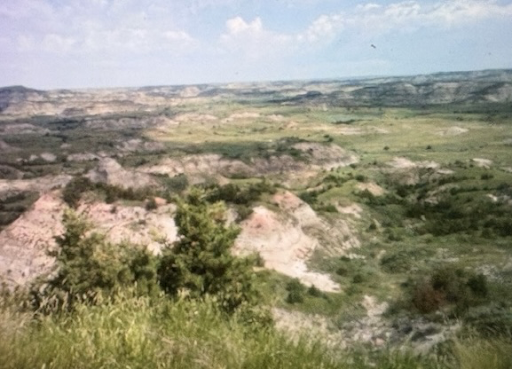
Theodore Roosevelt National Park
I have traveled with intention, seeking out the place that tells the fuller stories of the Presidents of the United States. Over the years, I have visited all the Presidential libraries, along with many of their birthplaces, homes and the lesser-known sites that reveal who these men were beyond their public offices. It is often these […]

