Agate Fossil Beds National Monument
Agate Fossil Beds National Monument protects one of the world’s richest windows into life nearly 20 million years ago. Agate Fossil Beds National Monument was established on June 5, 1965, to preserve one of the finest Miocene fossil sites in the world. The monument protects an extraordinary collection of ancient mammals whose remarkably preserved remains have helped scientists understand the evolution of life on the North American Great Plains.
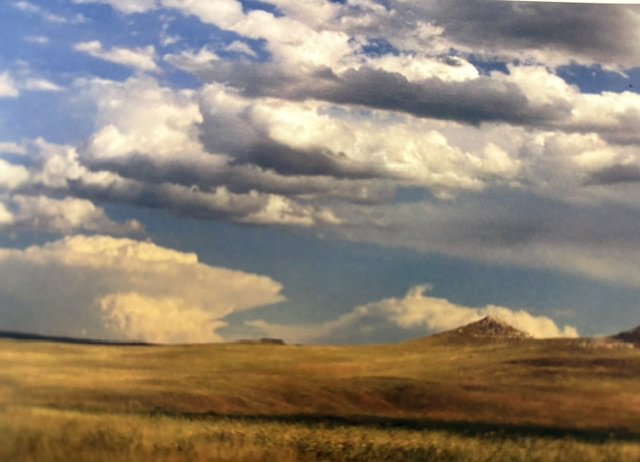
Long before paleontologists arrived, the Lakota Sioux and other Indigenous peoples knew of the unusual bones weathering out of the Nebraska prairie. During the late nineteenth century, scientists recognized the significance of these discoveries and began excavating what would become one of the most important fossil sites in North America. The ancient river deposits preserved complete skeletons of creatures that lived when this region was a lush savanna rather than the open grassland, we see today.
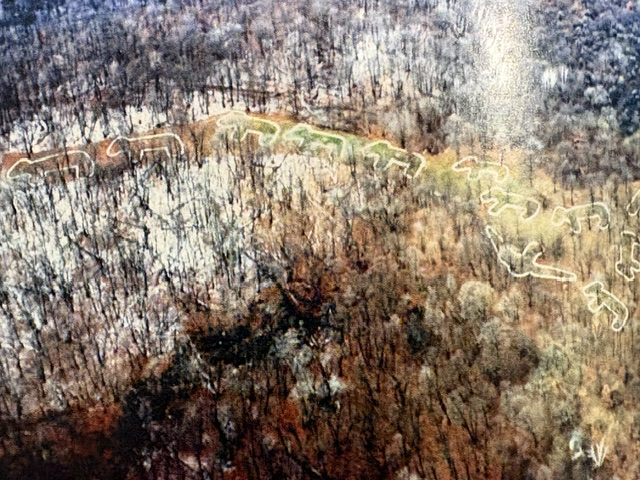
Among the remarkable animals found here were towering rhinoceros-like Menoceras, the long-necked Moropus with claws instead of hooves, bear dogs, tiny three-toed horses, camel relatives, and numerous other mammals that once roamed this ancient landscape. Their fossils have provided scientists with an unparalleled opportunity to study an ecosystem that flourished nearly 20 million years ago.
The monument also preserves an important chapter in American cultural history. James H. Cook, whose ranch surrounded the fossil beds, developed a close friendship with Red Cloud and many leaders of the Oglala Lakota. Their relationships are remembered through an outstanding collection of Plains Indian artifacts and gifts housed in the visitor center, reminding visitors that the story of Agate Fossil Beds is one of both natural and human history.
I especially remember our journey to Agate Fossil Beds because simply getting there became part of the adventure. Traveling across the remote back roads of western Nebraska, we lost our GPS and wandered through miles of quiet farmland before finally arriving at the visitor center. What could have been an inconvenience became an unexpected opportunity to experience the landscape itself. Those empty roads, wide-open skies, and endless fields helped us appreciate just how isolated this remarkable place really is.
It is hard to imagine that this peaceful grassland was once home to an astonishing variety of prehistoric mammals. The rolling plains reveal little of the extraordinary treasures hidden beneath the surface, yet they preserve one of the most complete records of an ancient ecosystem anywhere in the world.
Read More From Nancy
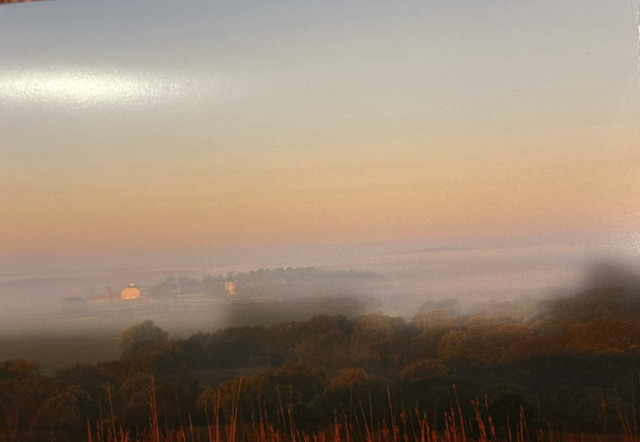
Tallgrass Prairie National Preserve
The rolling grasses and soft morning mist of Tallgrass Prairie National Preserve, one of the rarest landscapes remaining in North America. The preserve protects a small surviving piece of the vast tallgrass prairie that once stretched across millions of acres from Texas north into Canada. Today, less than four percent of that original prairie ecosystem still exists. The Flint Hills became one […]
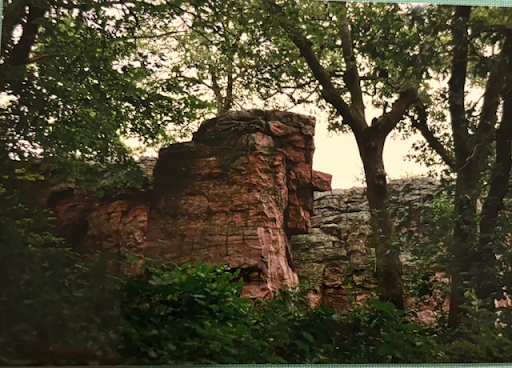
Pipestone National Monument
During our 1995 cross-country road trip, our route carried us through a part of Minnesota, where we stopped at one of the most remarkable sites: Pipestone National Monument. Here, the soft red stone, pipestone, has been quarried for centuries by Native people and carved into ceremonial pipes used in prayer and spiritual life. This is […]
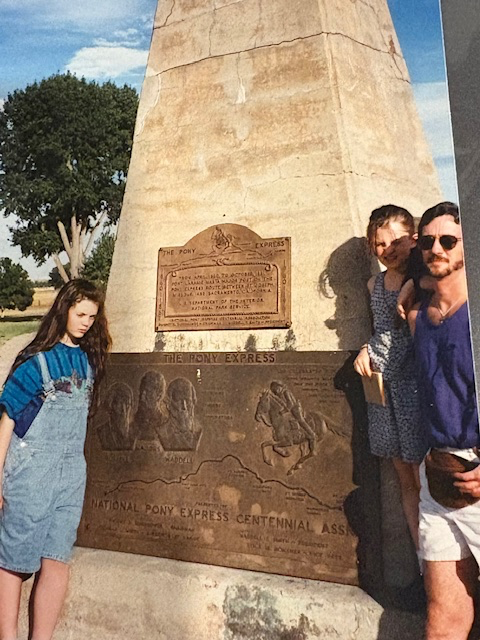
Pony Express National Historic Trail
In the wide-open landscapes of the American West, communication was once slow, uncertain, and often perilous. Long before telegraph wires stretched across the continent, letters were the only way to stay connected across the plains, deserts and mountain ranges. Carrying the mail by horseback became one of the boldest experiments in frontier logistics ever attempted. This […]

