Cabrillo National Monument
Cabrillo National Monument, overlooking the entrance to San Diego Bay, commemorates a defining moment that changed the course of history.
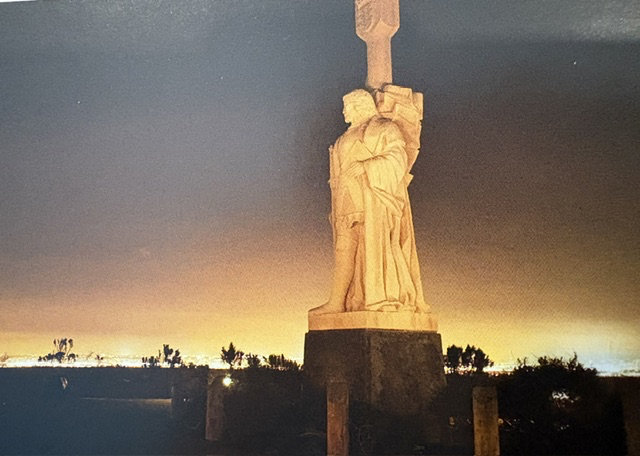
Cabrillo National Monument was established on October 14, 1913, making it one of the earliest units of the National Park System. It honors the landing of Juan Rodríguez Cabrillo, who, on September 28, 1542, became the first European known to set foot on what is now the West Coast of the United States.
Sailing under the Spanish flag, Cabrillo was leading an expedition north from Mexico in search of new trade routes, safe harbors, and opportunities to expand Spain’s influence along the Pacific coast. When his ships entered the natural harbor of present-day San Diego, they found one of the finest anchorages on the western coast of North America. Although Cabrillo remained only a short time before continuing his voyage, his landing marked the beginning of European exploration along the Pacific Coast.
The monument stands atop Point Loma, where sweeping views stretch across San Diego Bay, the Pacific Ocean, and the city skyline. It is easy to understand why this location was chosen to commemorate Cabrillo’s arrival. Standing here, visitors can imagine the sight that greeted his expedition nearly five centuries ago as they sailed into an unfamiliar harbor at the edge of a vast continent.
Cabrillo National Monument preserves far more than a single historical event. Visitors can explore the Old Point Loma Lighthouse, walk coastal trails overlooking dramatic cliffs, discover one of Southern California’s richest intertidal ecosystems at the tide pools, and enjoy some of the finest panoramic views in the National Park System.
Read More From Nancy
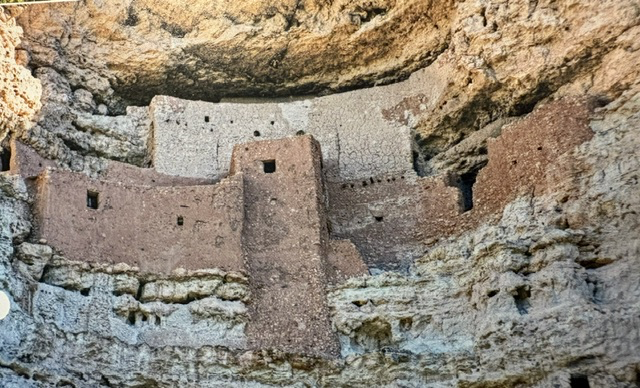
Montezuma Castle National Monument
Some of the most remarkable accomplishments in North America were built long before Europeans arrived. Montezuma Castle National Monument preserves one of those extraordinary achievements: a five-story cliff dwelling that has stood for more than eight centuries. Montezuma Castle National Monument was established on December 8, 1906, by President Theodore Roosevelt under the newly enacted […]
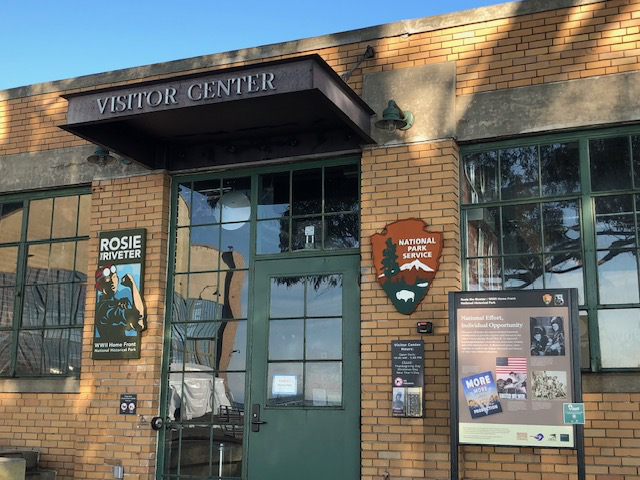
The Rosie the Riveter/WWII Home Front National Historical Park
Rosie the Riveter National Historical Park was another place I visited during our time teaching in California. This one I did on my own, getting there early when it first opened. Located in Richmond, California, along the San Francisco Bay, the park captures the extraordinary war mobilization that transformed this shipbuilding town almost overnight during […]
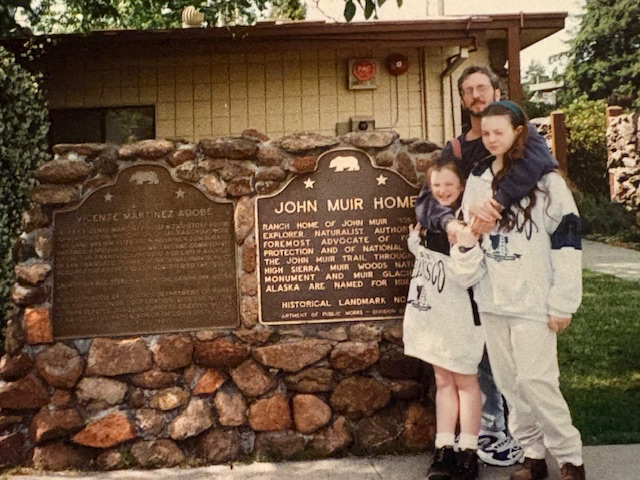
John Muir National Historic Site
John Muir’s home in California offers a intimate window into the life of one of America’s most influential conservationists. Located northeast of San Francisco, the site is preserved today as John Muir National Historic Site. Muir lived here from 1889 until his death in 1914. While many picture him wandering through Yosemite or Alaska’s glaciers, this […]

