Daniel Takawampit
Daniel Takawampbit, an Algonquian leader, stands as one of the most extraordinary and overlooked figures in New England’s Colonial past. He was the first Natick American ordained as a Puritan minister, the student and successor of John Eliot, and a spiritual guide to the Praying Indian community of Natick during some of the most challenging decades.
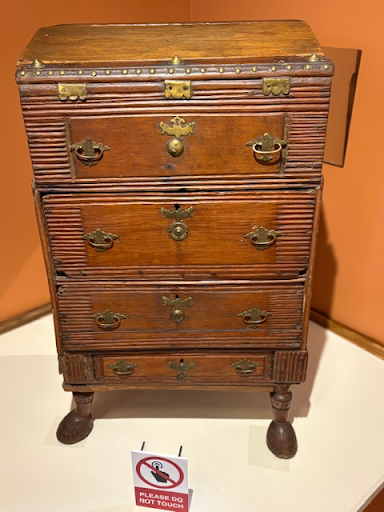
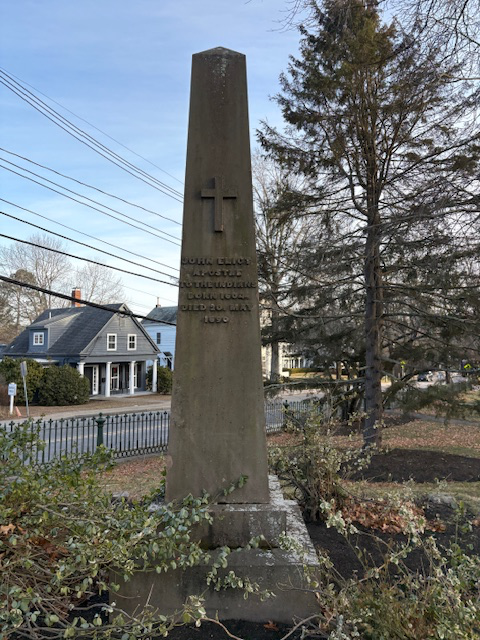
Under the mentorship of John Eliot, known as the “Apostle to the Indians”, Takawampbit learned to read and write in English. He helped translate the religious texts and played a vital role in sustaining the Praying Indian villages in the region.
After Eliot’s death, Takawampbit became the minister to the Natick community. The Natick community faced immense pressure and displacement, especially in the aftermath of King Philip’s War. During this war, many of the Praying Indians were relocated, imprisoned or killed. Through these hardships, Takawampbit served as a teacher, interpreter and pastor.
One of the most tangible symbols of his leadership is this desk that was built for him. It served as both his desk and pulpit. His story reminds us that history is also shaped by those that build bridges and preserve traditions. He is recognized as one of the few Native leaders who managed to hold a position of influence within the colonial structure.
Takawampbit’s ability to read, write, translate and negotiate made him invaluable. He used his influence to maintain Native traditions, and he is respected for doing what he could during a time when Native people had few options.
Read More From Nancy
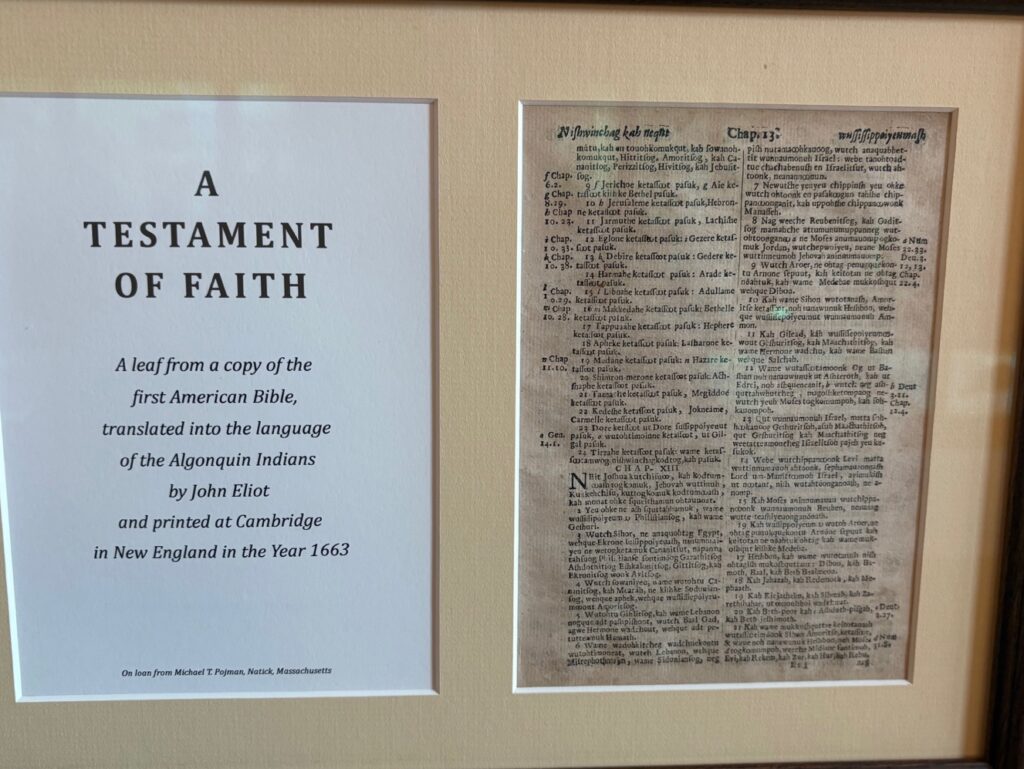
Algonquien Bible
A testament of faith and history, the Natick Historical Society preserves two artifacts tied to the earliest years of printing in North America and to the cultural crossroads that defined this town. The single leaf from the 1663 first edition of the Algonquien Bible was a page from the earliest Bible printed in America and […]
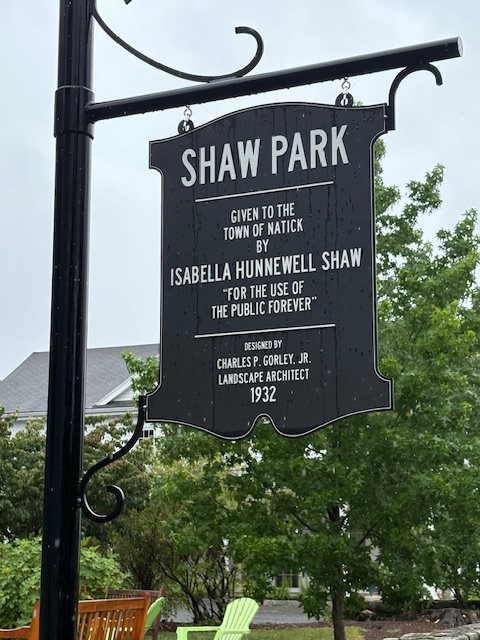
Shaw Park
Shaw Park, located in South Natick, is not a grand park in the monumental sense. Yet, it is a space with a profound sense of intention as captured in the words that accompanied its gift to the town of Natick: “For the use of the Public Forever” These words were written by Isabella Hunnewell Shaw. […]
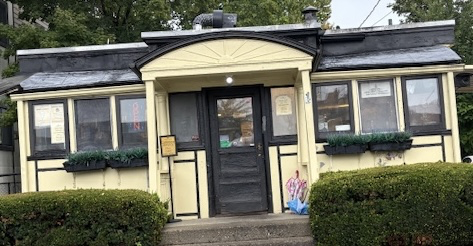
Casey’s Diner
Hometown stories would not be complete without sharing Casey’s Diner. Casey’s Diner is tucked along South Avenue in Natick and has been feeding generations for over a century and remains one of the town’s most enduring landmarks. The story of Casey’s begins in 1890, when Fred Casey purchased a horse-drawn lunch wagon and began serving […]

