Big Thicket National Preserve
Big Thicket appears to be a single forest stretching across southeast Texas. However, it is something far more remarkable. This is a place where forests, prairies, wetlands, bayous, and bogs exist side by side, creating one of the most biologically diverse landscapes in North America.
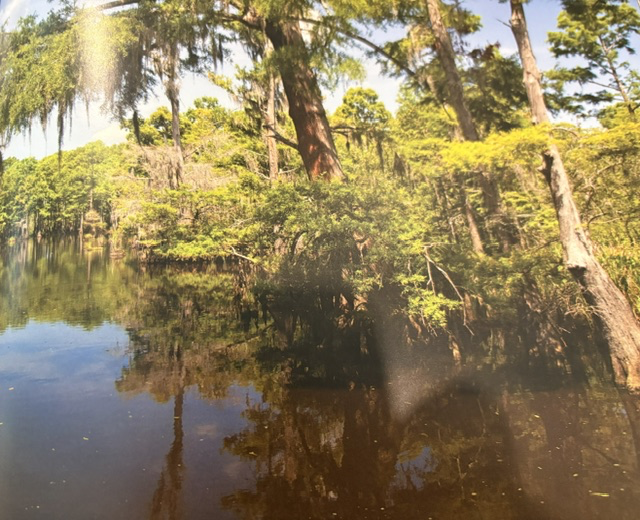
Established in 1974 as the nation’s first National Preserve, Big Thicket protects more than 97,000 acres spread across nine separate land units and six water corridors. Unlike many parks that preserve one dominant ecosystem, Big Thicket was created because of the extraordinary variety found within its boundaries.
Scientists believe this diversity began at the end of the last Ice Age. As glaciers retreated and climates shifted, plant and animal communities from different regions gradually overlapped in southeast Texas. Eastern hardwood forests, western grasslands, Gulf Coast wetlands, and southern pine forests all found suitable conditions here. Rather than replacing one another, they continued to exist together, creating a landscape unlike any other in the United States.
That diversity is reflected in the remarkable number of species that call the preserve home. More than 1,300 species of plants have been identified here, along with hundreds of species of birds, mammals, reptiles, amphibians, fish, and insects. Because of this richness, Big Thicket has often been called “America’s Ark”.
Big Thicket also represents an important milestone in the history of the National Park Service. When Congress established the preserve, it recognized that America’s natural heritage includes more than spectacular mountains and canyons. Some landscapes deserve protection because of the extraordinary diversity of life they support. Big Thicket became the first national preserve, reflecting a broader commitment to conserving entire ecosystems rather than a single scenic feature.
Read More From Nancy
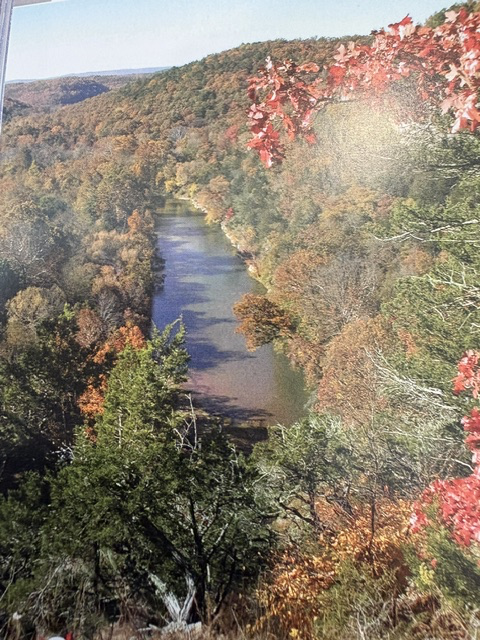
Buffalo National River
The Buffalo River begins as a small stream in the Boston Mountains of northwestern Arkansas, approximately 15 miles above the national park boundary. Following a course believed to be very ancient, the river travels eastward through the Ozarks before joining the White River. Over time, the Buffalo cut deeply into the surrounding plateau, creating massive […]
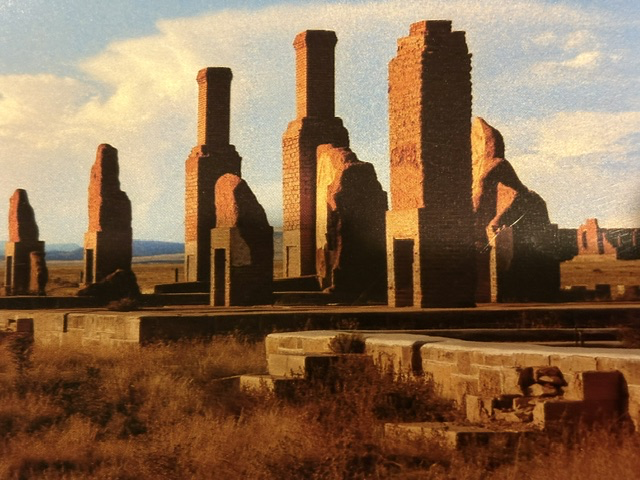
Fort Union National Monument
Standing among these towering chimneys, it takes a bit of imagination to picture what once stood here. Today, only the chimneys and fragments of stone walls remain, but this was once Officers’ Row at Fort Union, where some of the finest military quarters west of the Mississippi River stood. Completed in 1867, these elegant homes […]
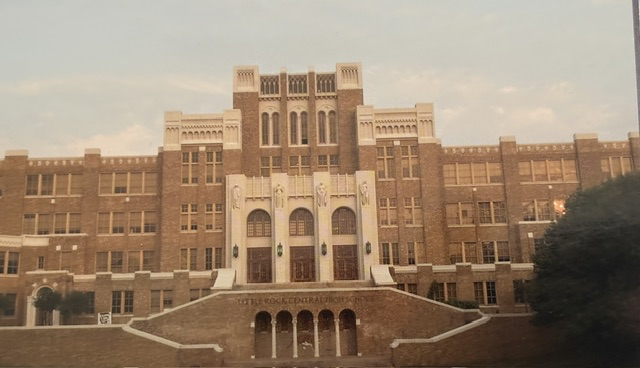
Little Rock Central High School National Historic Site
This is another one of those National Park Service sites that seems to have stopped in time. Standing across from Little Rock Central High School, it is remarkably easy to picture the events of 1957 unfolding in front of the same imposing building. What makes the experience even more unusual is that Central High is […]

