Spencer-Peirce-Little Farm
There are some historic homes that stand apart from all the others, and the Spencer-Peirce-Little Farm in Newbury, Massachusetts, is certainly one of them. The moment I saw its weathered brick walls and centuries-old architecture, I realized this was not the typical colonial farmhouse. It possesses a quiet strength that reflects more than three hundred years of New England history.
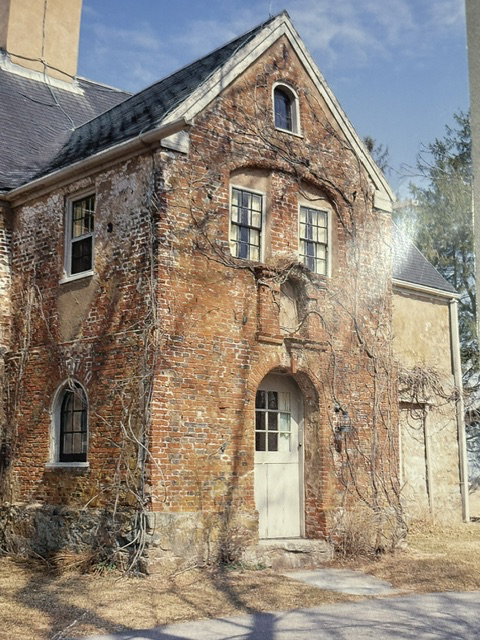
Built around 1690 by Samuel Spencer, the house is one of the finest surviving examples of early First Period architecture in Massachusetts. Unlike most homes of its era, which were built of wood, the Spencer family chose brick, a costly and uncommon building material in colonial New England. The result was a substantial home that reflected both the family’s prosperity and their intention to establish lasting roots in the community.
Over the years, ownership passed to the Peirce family, whose descendants worked the farm for generations. The property became far more than a family residence. It was a working farm where crops were planted, livestock was raised, and daily life followed the changing seasons. Unlike many historic homes preserved because of a famous owner or a single historic event, the Spencer-Peirce-Little Farm tells the story of ordinary New England families whose hard work, perseverance, and connection to the land helped shape the region for centuries.
Today, the farm is preserved by Historic New England, the nation’s oldest regional preservation organization. Their stewardship allows visitors to experience not only the house itself but also the surrounding barns, fields, and agricultural landscape that make this property so unique. Together they offer a rare glimpse into the rhythms of rural life from the colonial period through the nineteenth century.
One of my personal goals over the years was to visit every property owned by Historic New England. Some of those adventures I shared with Marty, some with our daughters, and others I explored on my own. Each home offered a different story and a different perspective on New England’s past. Collectively, they deepened my appreciation for the people who built these communities and for the importance of preserving the places where their lives unfolded.
Read More
Read More From Nancy
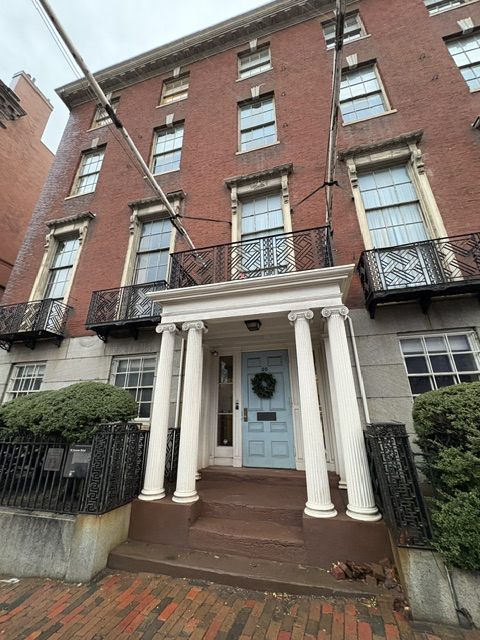
The Third Harrison Gray Otis House
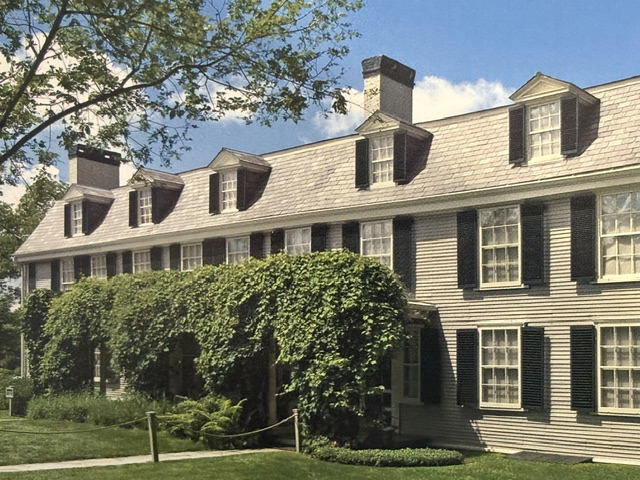
When I came across this house at 45 Beacon Street, I recognized the Otis name because I had already visited the Harrison Gray Otis House near Massachusetts General Hospital. What I didn’t realize was that the Cambridge Street house was only the beginning of the family’s story. Harrison Gray Otis eventually built three Boston houses, […]
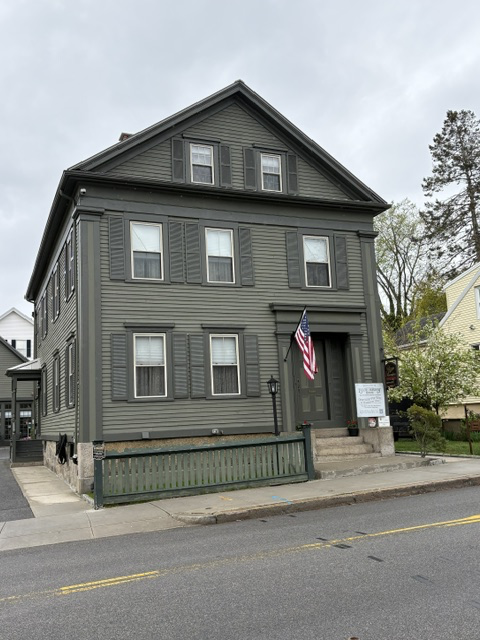
The Lizzie Borden House
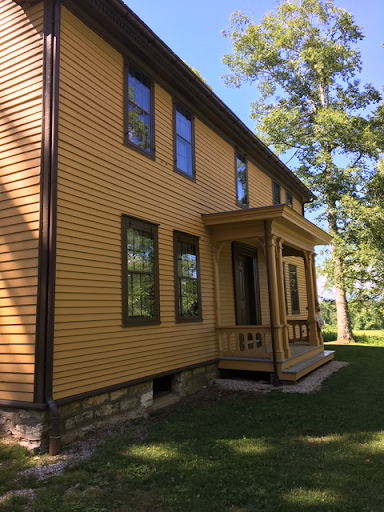
The Lizzie Borden House is one of the most infamous true-crime sites in American history. Located in the heart of Fall River, this modest Victorian home became the scene of the brutal 1892 murders of Andrew and Abby Borden, a crime that remains officially unsolved more than a century later. On August 4, 1892, Andrew Borden and […]
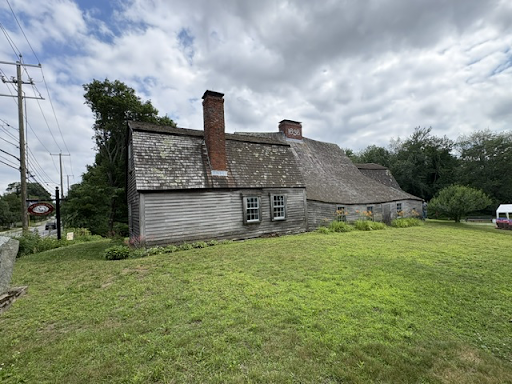
The Fairbanks House
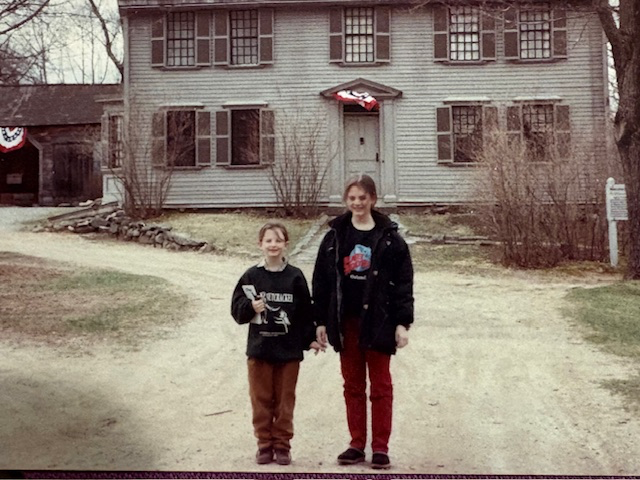
While exploring Dedham, I stopped at the Fairbanks House, a remarkable reminder of New England’s earliest colonial history. At first glance, it appears to be a simple wooden farmhouse, but it is recognized as the oldest surviving timber-frame house in North America. Construction of the original section of the house began around 1637 for Jonathan […]

