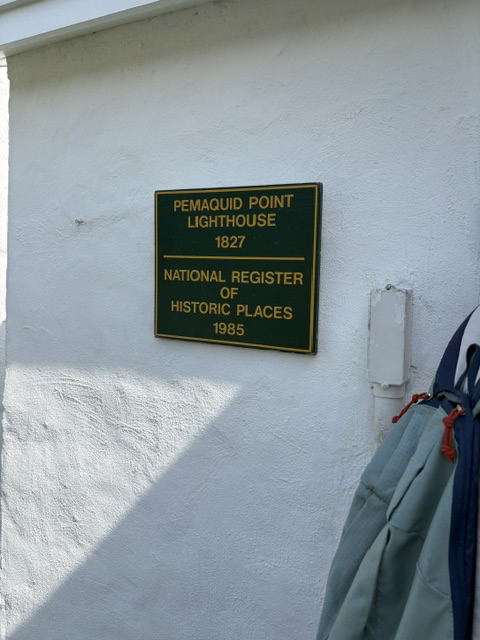
Pemaquid Point Lighthouse
One of the pleasures of traveling is discovering places you never expected to visit. Pemaquid Point Lighthouse was one of those discoveries. As we made our way home from the Canadian Maritime Provinces, we learned about this historic lighthouse on the coast of Maine and decided to make a short detour. It turned out to be one of the most memorable stops of our journey.
Standing on the granite cliffs overlooking the Atlantic Ocean, it is easy to admire the beauty of the setting. The coastline is rugged, the waves crash against ancient rock ledges, and the view stretches for miles across the sea. Yet this lighthouse was never built simply because the scenery was beautiful. It was built because this stretch of coast was dangerous.
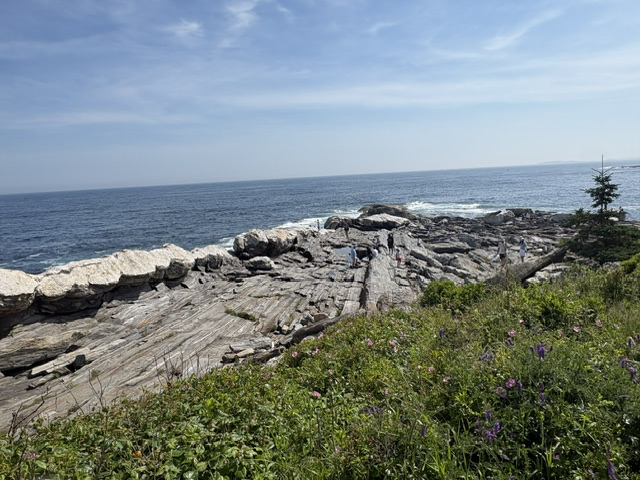
For centuries, fishermen, merchants, and sailors navigated these waters carrying lumber, granite, fish, and countless other goods that connected the small communities of coastal Maine with ports throughout New England and beyond. Hidden ledges, dense fog, fierce nor’easters, and pounding surf made this one of the most hazardous sections of the coast. Before modern navigation, a reliable lighthouse could mean the difference between reaching home safely or ending a voyage in disaster.
Recognizing that need, President John Quincy Adams authorized the construction of Pemaquid Point Lighthouse in 1827. During the early years of the United States, Adams believed that harbors, canals, and lighthouses were among the federal government’s most important responsibilities. Long before interstate highways linked the nation, the sea served as America’s transportation network, and lighthouses became essential public works that protected both lives and commerce.
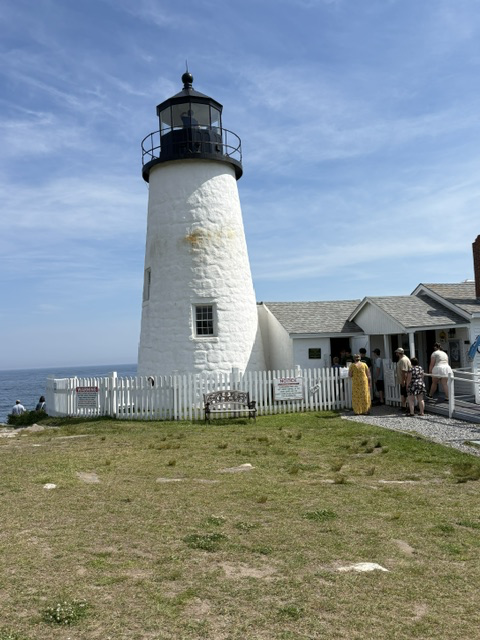
Ironically, the original lighthouse did not last. Built with local stone, it quickly began to deteriorate under the relentless force of the Atlantic. Rather than abandon the site, the government rebuilt the tower in 1835 using durable granite from nearby quarries. That is the lighthouse visitors see today, and for nearly two centuries it has continued to serve as an active aid to navigation.
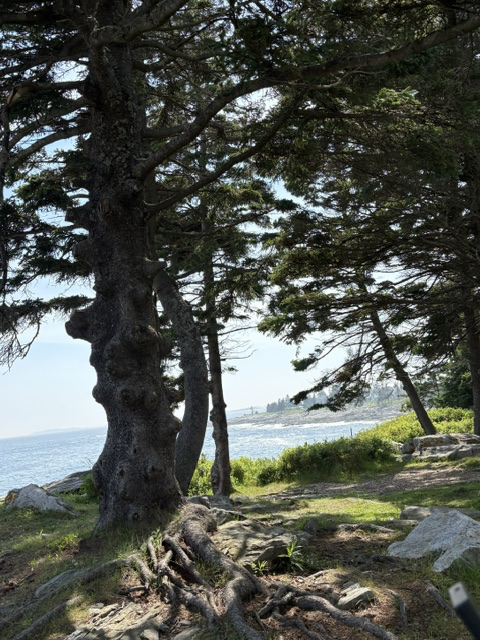
The setting itself tells an even older story. The granite ledges surrounding the lighthouse are among the oldest exposed rocks on the East Coast, formed hundreds of millions of years ago during the creation of ancient mountain ranges that existed long before the Atlantic Ocean took its present shape. Nature provided the dramatic cliffs; generations of lighthouse keepers added the beacon that helped sailors safely navigate them.
I have found that some of the most rewarding travel experiences are the ones we never planned. Had we driven straight home, we would have missed not only one of Maine’s most photographed lighthouses but also a remarkable story that connects geology, engineering, maritime commerce, and the vision of a president who understood the importance of investing in the nation’s future.
Standing at Pemaquid Point, I realized that we admire lighthouses today for their beauty. Those who first relied on them admired them for a far more practical reason. To generations of sailors, this was not simply a picturesque landmark on the Maine coast. It was the light that meant they were almost home.
Read More From Nancy
The Cogswell Family
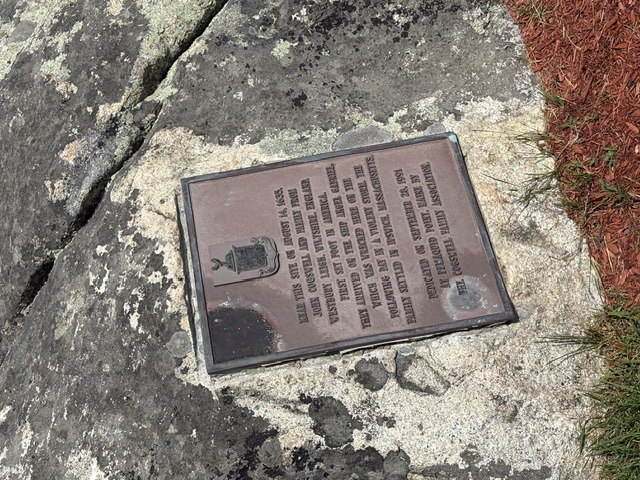
Set into the rocks at Pemaquid Point is a bronze plaque marking the place where one family’s American story began nearly four centuries ago. On August 14, 1635, John Cogswell and his family, from Westbury Leigh in Wiltshire, England, first set foot in America near this site. They had crossed the Atlantic aboard the Angel Gabriel, […]
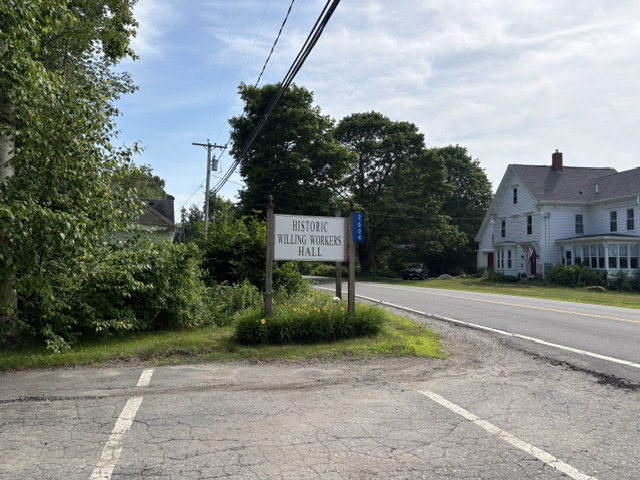
Willing Workers Hall
While Marty and I were driving through Maine, I saw a sign for the Historic Willing Workers Hall and asked him to pull over. The name caught my attention. Who were the Willing Workers? What kind of work had they done, and why did they have a hall of their own? Across the road stood […]
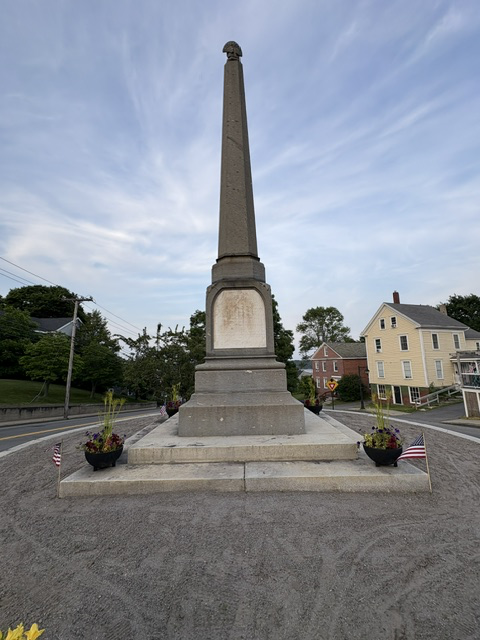
Civil War Soldiers’ Monument
The tall stone monument on Bath’s High Street was raised while the Civil War was still close in memory. Erected between 1867 and 1869, it honored the men from Bath who had died in the conflict. An eagle crowns the shaft; below it, the city’s dedication asks those passing by to remember its sons. The […]

