Cotton House Hotel
Whenever we travel, we enjoy staying in places that have a history of their own. A historic hotel often becomes more than a place to spend the night; it becomes another way of understanding the city we have come to explore. That was certainly true during our stay at the Cotton House Hotel in Barcelona.
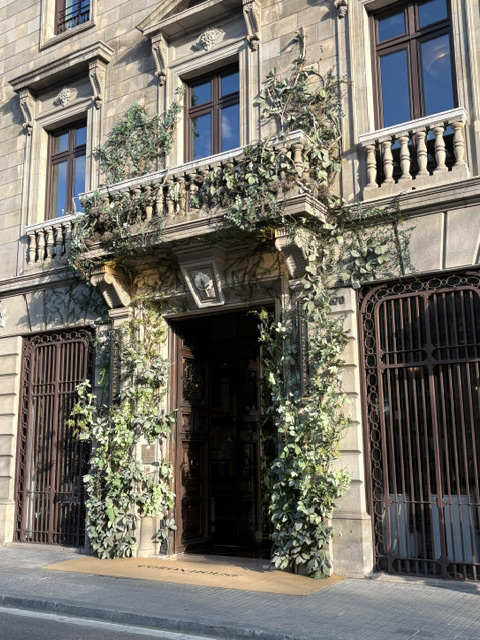
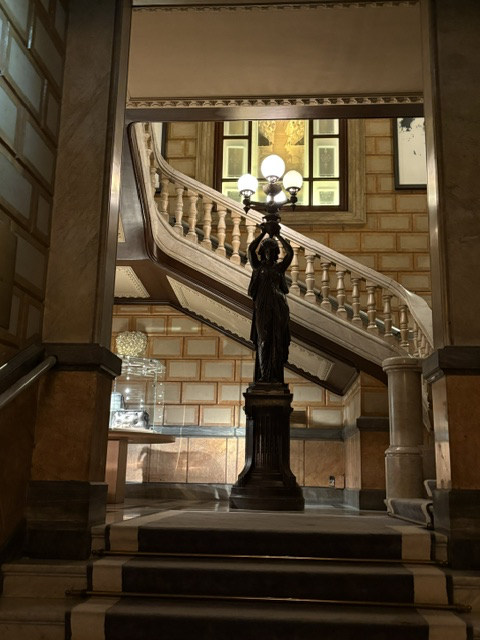
At first glance, it is an elegant nineteenth-century building with a grand entrance, beautiful stone staircase, and carefully restored architectural details. It would have been easy to admire its beauty without realizing that it once served a very different purpose. Before becoming a hotel, this building was the headquarters of the Cotton Textile Foundation, the organization that represented Catalonia’s cotton industry during one of the most important periods in Barcelona’s history.
When most people think of Barcelona, they picture the works of Antoni Gaudí, the Gothic Quarter, or the city’s Mediterranean setting. I discovered another chapter of the city’s story while staying here. During the nineteenth century, Barcelona became the textile center of Spain. Cotton mills expanded rapidly, drawing workers from throughout Catalonia and transforming the city into one of Europe’s leading industrial centers. The prosperity generated by the textile trade helped finance many of the public buildings, homes, and cultural institutions that still define Barcelona today.
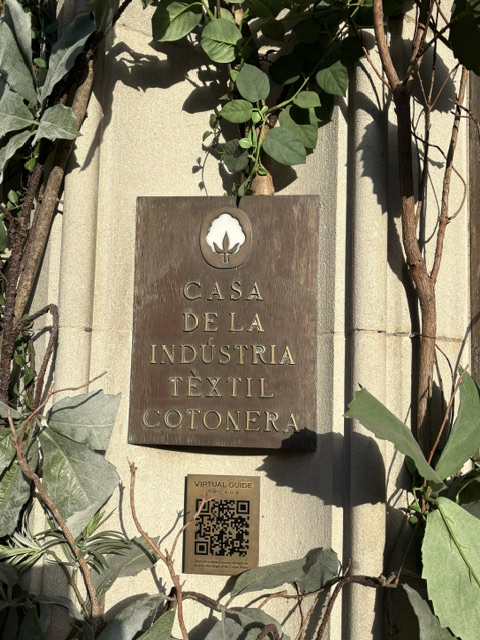
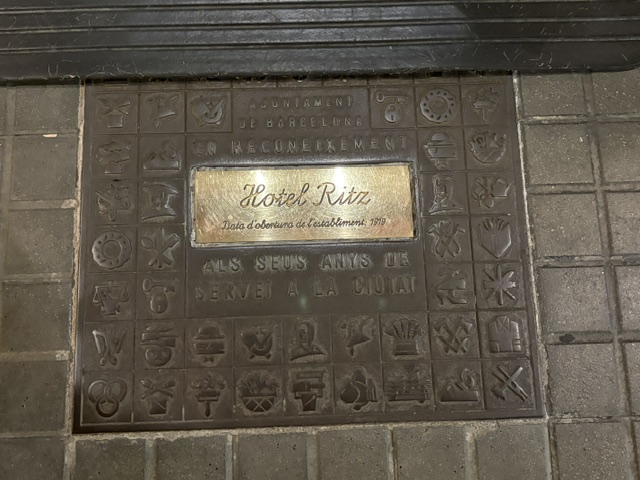
The Cotton House was where manufacturers, merchants, and industry leaders gathered to discuss the challenges and opportunities facing the textile trade. Although the building now welcomes travelers instead of textile executives, its history remains visible. The historic plaque at the entrance, the preserved staircase, the elegant public rooms, and the subtle references to cotton throughout the hotel all reflect its original purpose. Rather than erasing the building’s past, the restoration allows guests to become part of its continuing story.
Standing in the lobby, I found myself thinking about the remarkable journey of cotton itself. A simple natural fiber connected farms, factories, ports, and markets across the world. Cotton grown in distant countries arrived in Barcelona to be spun, woven, and exported again, making the city an important link in a global trading network. Decisions made inside this building influenced an industry that reached far beyond Spain.
Read More
Read More From Nancy
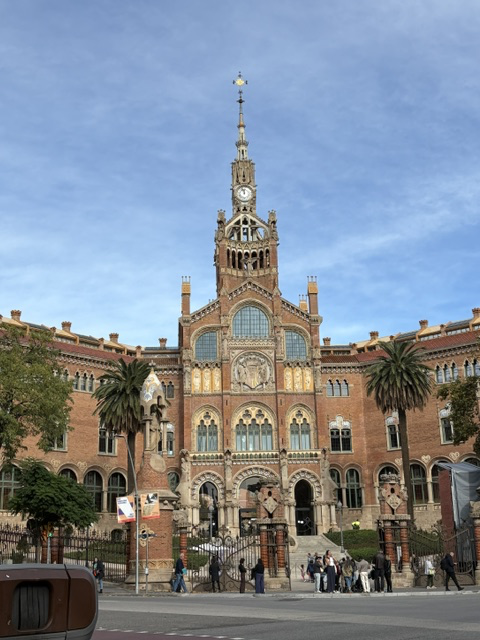
Sant Pau Art Nouveau Site
Standing in front of the Hospital de Sant Pau in Barcelona, it is difficult at first to believe that this extraordinary building was created as part of a working hospital. With its towers, elaborate brickwork, mosaics, sculptures, arched windows and decorative details, it looks more like a palace or cathedral than a place designed for […]
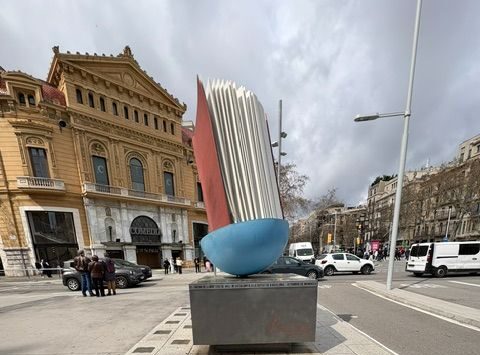
Homage to the Book
At a busy intersection in Barcelona, an oversized book rises above the pavement. Its red cover opens around a fan of pale pages, balanced on a blue rounded base. Surrounded by traffic, pedestrians, and substantial stone buildings, it brings an unexpected touch of playfulness to the street. Looking more closely reveals that this unusual sculpture […]
Casa Dolors Calm
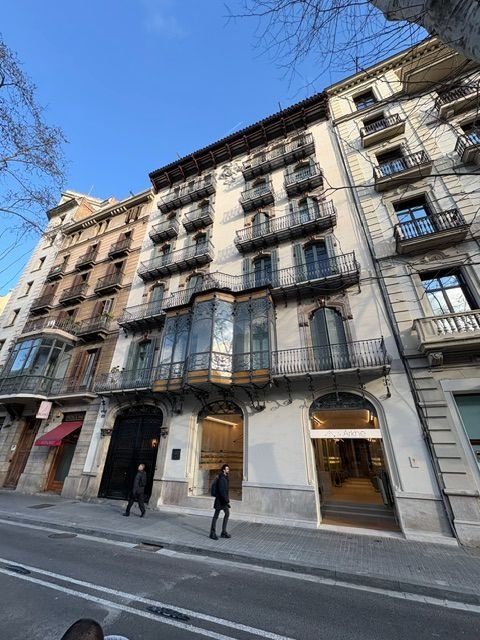
At 54 Rambla de Catalunya, Casa Dolors Calm reveals how an existing building could be transformed through architecture and decorative craftsmanship. Its projecting wooden bay windows give the façade a distinctive character, bringing together glass, patterned woodwork, and ornamental details. The original house was constructed in 1879 by master builder Josep Déu i Busquets. Between […]

