The Jonah and Elizabeth Warren House
Driving along Warren Street in Westborough, this house is easy to admire simply for its age. But its story begins even before Westborough existed as a town and, in an important way, even before European settlement of this area.
Jonah Warren and his wife, Elizabeth Seaverns Warren, came from Watertown to the newly developing community around 1720. Jonah was a tanner by trade, preparing animal hides to produce the leather needed for shoes, harnesses and countless other necessities of colonial life. He also sold wooden shingles cut from the nearby cedar swamps. Jonah became involved in the early life of Westborough and helped construct the community’s first meetinghouse.
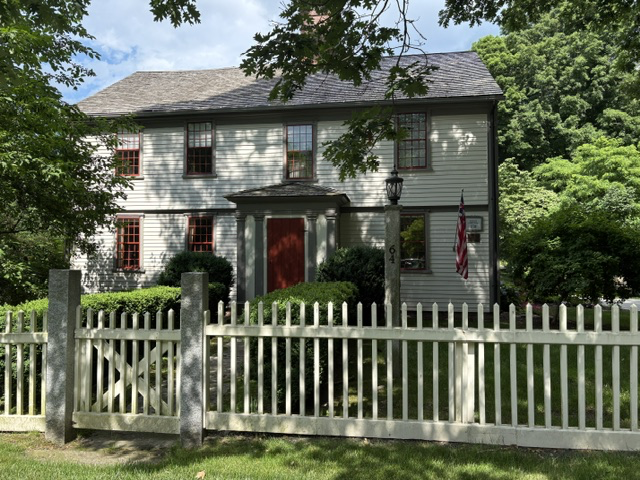
Jonah and Elizabeth raised a large family here—thirteen children—and the house remained connected with their descendants for generations. Their son Aaron eventually took possession of the property and returned home to care for his aging father. It later passed through Aaron’s son David and then to David’s daughter Mary Waterman Warren, who married Josiah Fay. Remarkably, descendants of the family continued to own the homestead until 1957.
The house stands beside the Old Connecticut Path, a route that existed long before Jonah and Elizabeth arrived. It originated as a Native American trail connecting communities across what became Massachusetts and Connecticut and later became an important route for English settlers moving westward from the Massachusetts Bay settlements. The old path passes beside the property.
That helps explain something unusual about the architecture. Over generations, additions and changes gave the house what appears almost to be two fronts—one oriented toward modern Warren Street and another toward the much older Connecticut Path. The landscape around the house changed, roads developed and Westborough grew, but the building continued to reflect the route that had originally helped bring settlers to this area.
The construction itself also reveals how early the house is. It was built with a heavy post-and-beam timber frame resting on a stone foundation. Large granite blocks support the sills, while irregular granite slabs form the cellar walls. Even more intriguing is a roughly 23-foot granite-lined tunnel extending from the cellar toward the backyard—a surviving architectural feature that adds another layer of curiosity to the property.
Today the Jonah Warren House is recognized on the National Register of Historic Places, where it was listed in 1998. The Town of Westborough describes it as one of the finest and best-preserved examples of eighteenth-century domestic architecture in the community.
Read More From Nancy
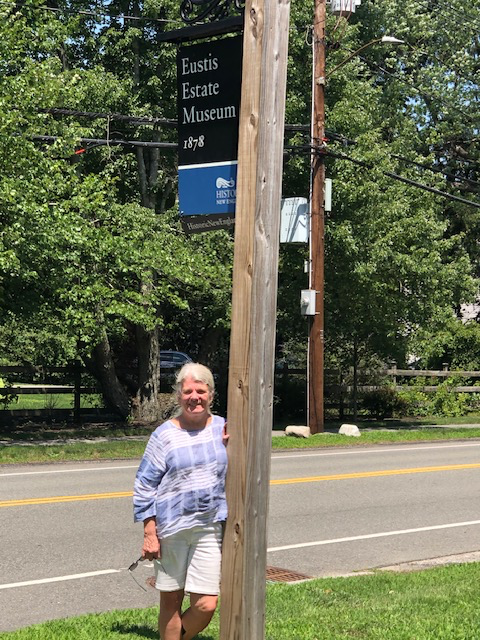
Eustis Estate
During the long months of the covid shutdown, I found myself watching closely for the reopening of historic house museums so I could continue my explorations. One of the first places to open its doors again in early 2020 was the Eustis Estate Museum in Milton. When we heard it had reopened, Marty and I […]
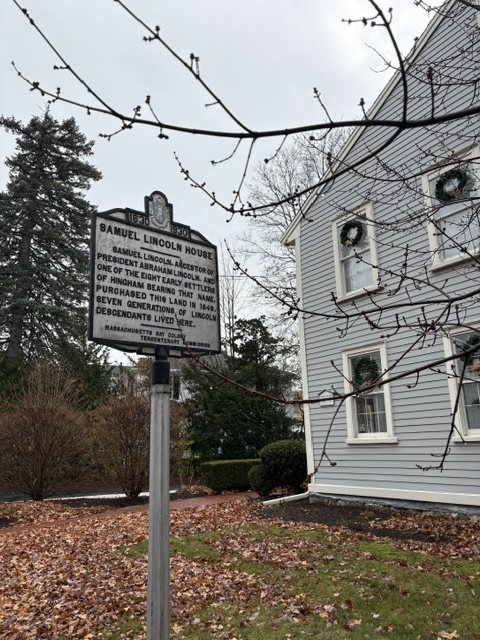
The Samuel Lincoln House
This house on North Street in Hingham marks the beginning of President Abraham Lincoln’s family story in America. The historical marker beside it identifies the property purchased in 1649 by Samuel Lincoln, the president’s fourth great-grandfather. Samuel Lincoln was born in England in 1622 and came to Massachusetts while still a teenager. Known as “Samuel […]
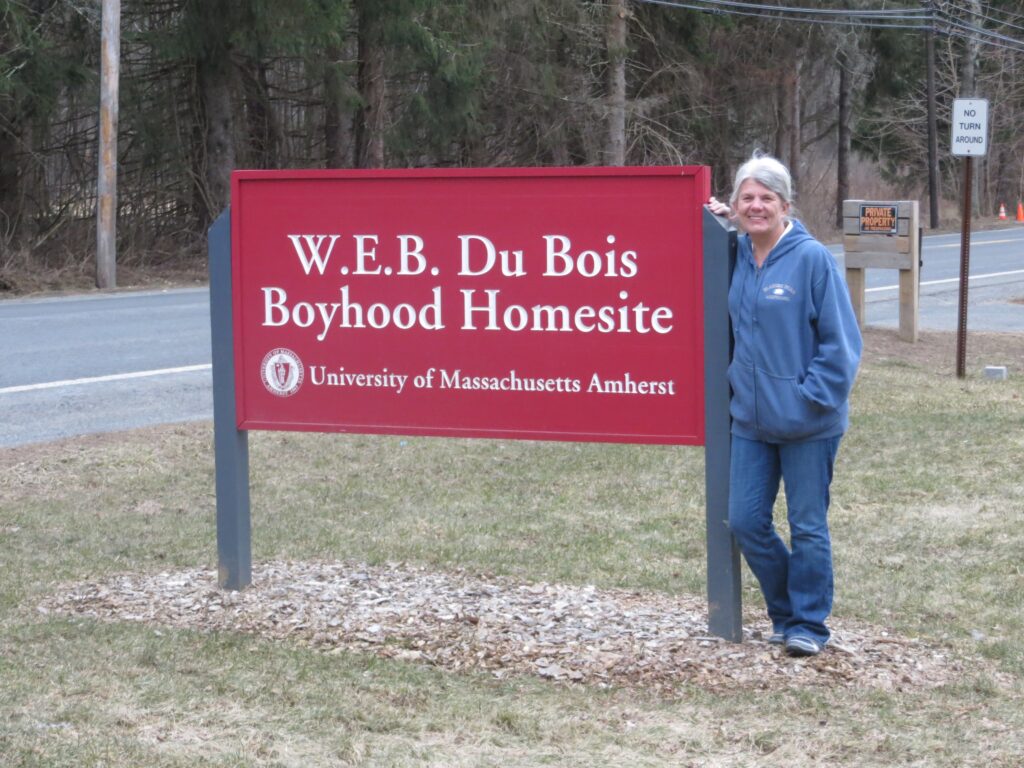
W.E.B. Du Bois Boyhood Homesite
While exploring the Berkshires, we made a stop at the W. E. B. Du Bois Boyhood Homesite near Great Barrington, Massachusetts. Although little remains of the house itself, the site marks the place where one of America’s most important intellectuals, writers, and civil rights leaders spent his early years. Standing by the sign, it was remarkable to […]

