The Ghats of Varanasi
We took this photograph while traveling by boat along the Ganges River in Varanasi. From the water, the famous ghats stretched along the riverbank in a continuous procession of temples, shrines, stone steps, and centuries-old buildings. Boats drifted nearby while pilgrims gathered at the river’s edge, priests conducted religious rituals, and families went about their daily lives in one of the oldest continuously inhabited cities in the world.
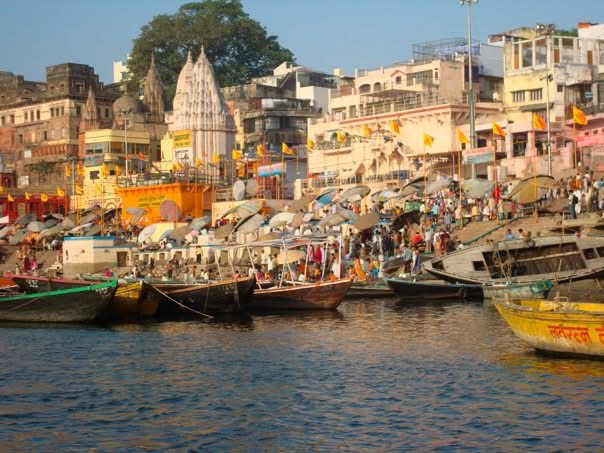
Varanasi, also known as Benares or Kashi, has been a center of Hindu faith for more than three thousand years. For Hindus, the Ganges is not simply a river but a sacred presence, believed to cleanse the soul and bring spiritual renewal. Everyday thousands of people descend these stone steps to bathe, pray, offer flowers, perform religious rituals, or simply sit quietly beside the water. For many, a pilgrimage to Varanasi is one of life’s most meaningful spiritual journeys.
From our boat, the city revealed itself in a way that cannot be appreciated from the streets alone. The ghats form the public face of Varanasi, each with its own history and purpose. Some are places of worship, others are used for daily bathing, while others are devoted to cremation ceremonies. Along this waterfront, the sacred and the ordinary exist side by side. Morning prayers unfold beside merchants opening their shops, children play along the steps, laundry hangs to dry, and boats carry visitors and pilgrims from one ghat to another. It is a reminder that in Varanasi, spirituality is woven into everyday life.
Although modern buildings rise behind the ancient temples and thousands of visitors arrive each day, the rhythms of life along the Ganges have changed remarkably little over the centuries. The same river continues to sustain the city physically, culturally, and spiritually, just as it has for countless generations.
As our boat drifted along the river, I realized that we were witnessing more than a beautiful landscape. We were seeing a living tradition. The Ganges is not simply a landmark to be photographed; it is the heart of Varanasi. Floating along its waters offered a glimpse into a way of life that has endured for millennia.
Travel often introduces us to places that are different from our own, but every so often it offers something even more meaningful. It allows us to witness traditions that have been faithfully carried from one generation to the next.
Read More
Read More From Nancy
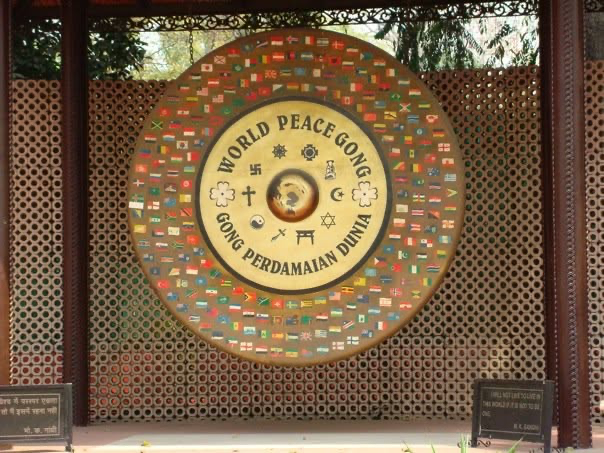
World Peace Gong
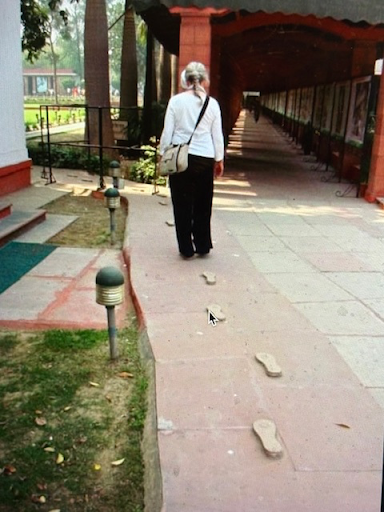
During our visit to Gandhi Smriti in New Delhi, one monument immediately drew my attention. Surrounded by the flags of nations from around the world and the symbols of many of the world’s major religions, the World Peace Gong stands as an international symbol of peace, cooperation, and mutual respect. The World Peace Gong was […]
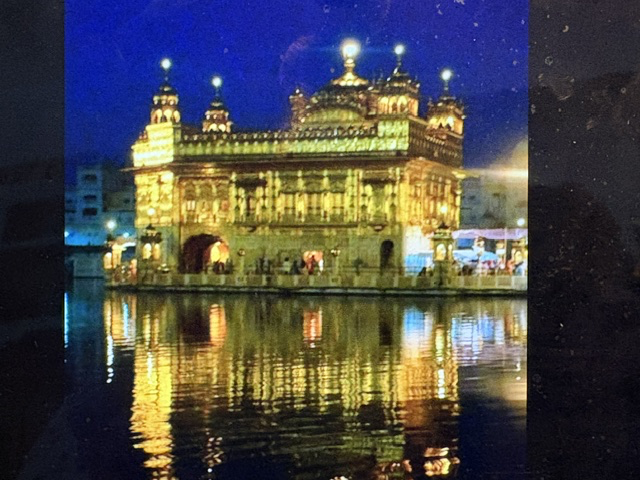
The Golden Temple
On both of my travels to India, I made the journey to the Golden Temple. Also known as Harmandir Sahib, this is the holiest site in the Sikh religion, and visiting it is one of the memorable spiritual and cultural experiences of my time in India. Visiting the temple at night was especially unforgettable. The illuminated gold structure […]
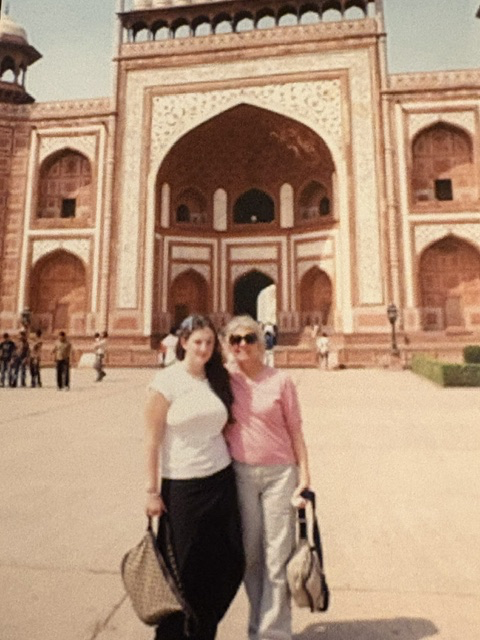
Buland Darwaza Fatehpur
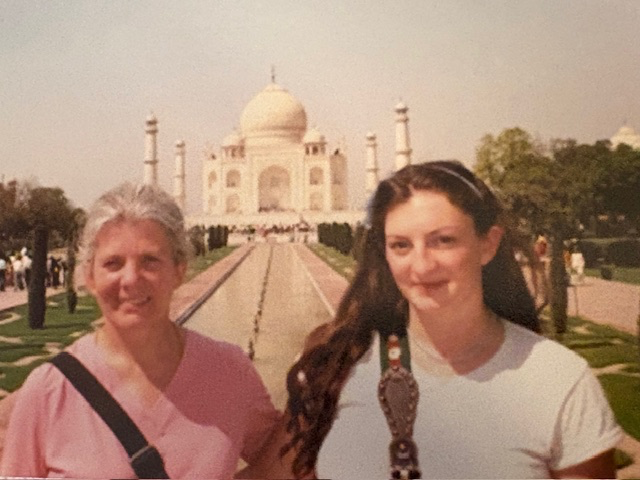
While visiting northern India, we visited Fatehpur Sikri, the magnificent city built by the Mughal Emperor Akbar in the late sixteenth century. Although the city served as the capital of the Mughal Empire for only about fifteen years, it remains one of the finest surviving examples of Mughal architecture. Standing together in front of the […]

