The Golden Temple
On both of my travels to India, I made the journey to the Golden Temple. Also known as Harmandir Sahib, this is the holiest site in the Sikh religion, and visiting it is one of the memorable spiritual and cultural experiences of my time in India.
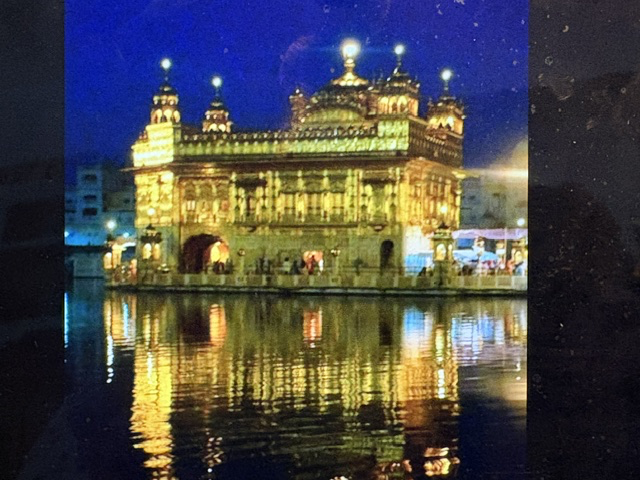
Visiting the temple at night was especially unforgettable. The illuminated gold structure seems to float upon the sacred pond surrounding it. with its reflection shimmering across the water. The building itself almost glows against the night sky, creating an atmosphere that feels reverent and timeless.
The temple never sleeps. No matter what hour, prayers, chanting, and sacred music continue around the clock. The sound of devotional hymns drifts continuously through the complex, creating a sense of calm and devotion that stays with you as you walk along the marble pathways surrounding the water.
One of the extraordinary parts of the Sikh tradition is the spirit of service. The temple’s massive community kitchens, known as langar, feed tens of thousands of people every day. Travelers, pilgrims, the poor, families and visitors from every religion and background are fed here free of charge.
The Golden Temple was originally founded in the 16th century by Guru Arjan, who designed it as a place open to all people and all faiths. Unlike many religious structures built on elevated ground, the temple was intentionally built lower than the surrounding land so visitors must descend as they enter, symbolizing humility.
This holy site also carries a painful and difficult modern history. In 1984, the temple became the center of Operation Blue Star, when the Indian government ordered military forces into the complex to remove armed Sikh militants who had taken refuge there. The operation caused extensive damage to the temple complex and resulted in the deaths of soldiers, militants and many civilians and pilgrims were trapped inside during the fighting.
The attack deeply shocked the Sikh community around the world because the violence occurred inside their holiest religious site. The aftermath led to even greater tragedy when Prime Minister Indira Gandhi was later assassinated by her Sikh bodyguards, which in turn triggered horrific anti-Sikh riots across India where thousands of Sikhs were killed.
Despite the violence and suffering connected to its past, the temple today continues to stand as a place of peace, prayer, humility and service.
What I remember most about the Golden Temple is its beauty. Some places stay with you because of their architecture or history. Others stay because of how you feel when you are there. The Golden Temple was one of those places.
Read More From Nancy
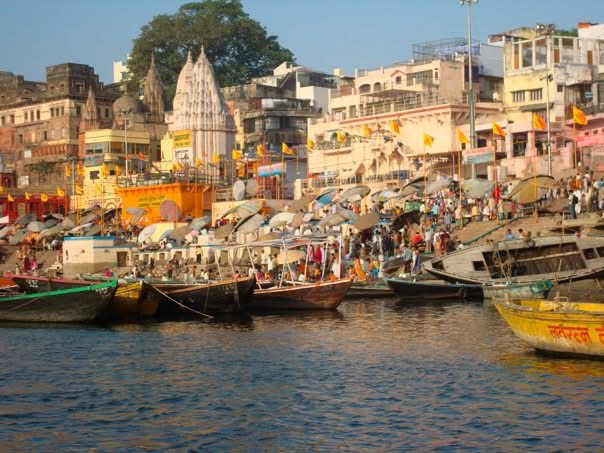
The Ghats of Varanasi
We took this photograph while traveling by boat along the Ganges River in Varanasi. From the water, the famous ghats stretched along the riverbank in a continuous procession of temples, shrines, stone steps, and centuries-old buildings. Boats drifted nearby while pilgrims gathered at the river’s edge, priests conducted religious rituals, and families went about their […]
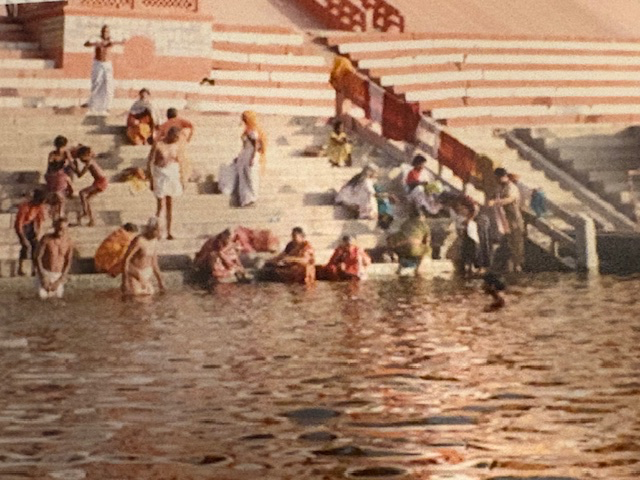
The Ganga
On the banks of the Ganges in Varanasi, the water is sacred. It is used for bathing, washing and for rituals that have been practiced for thousands of years. But to understand this river, you have to see that it is not just water, it is life, belief, and continuity flowing together. To Hindus, the […]
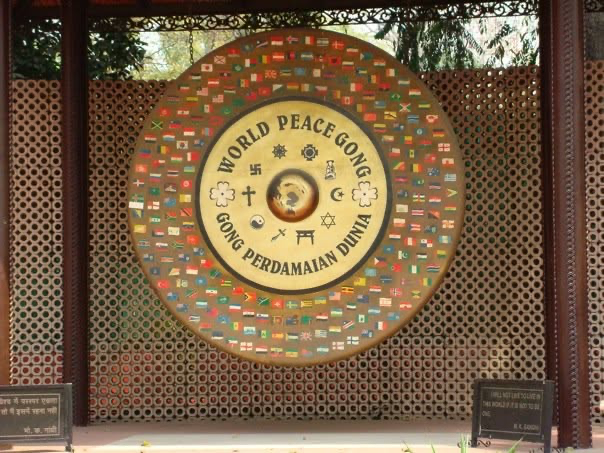
World Peace Gong
During our visit to Gandhi Smriti in New Delhi, one monument immediately drew my attention. Surrounded by the flags of nations from around the world and the symbols of many of the world’s major religions, the World Peace Gong stands as an international symbol of peace, cooperation, and mutual respect. The World Peace Gong was […]

