Tuskegee Airmen National Historic Site
During World War II, as the United States government began expanding the role of African Americans in the military, the Tuskegee Institute in Alabama was selected as the center for an unprecedented program: the training of African American military pilots. At a time when the U.S. armed forces were still segregated, the program became an important test of whether Black Americans would be permitted to serve as military aviators.
Flight training began in 1941 at Moton Field, just outside Tuskegee. The men who trained here became known collectively as the Tuskegee Airmen, although their story involved far more than the pilots themselves. More than 14,000 men and women participated in what became known as the “Tuskegee Experience,” serving as mechanics, instructors, nurses, administrators, parachute riggers, technicians and other support personnel necessary to keep the aircraft and squadrons operating.
The pilots trained first in aircraft such as the Stearman before advancing to military fighters. Many eventually served overseas with the 99th Fighter Squadron and the 332nd Fighter Group. Flying missions over North Africa and Europe, they escorted bombers, attacked enemy positions and demonstrated their abilities under combat conditions. Their distinctive, red-painted aircraft tails led to the famous nickname “Red Tails.”
Their accomplishments were especially significant because they were fighting two battles at the same time. Overseas they fought the Axis powers, while at home they confronted segregation and the widespread belief that African Americans were incapable of performing successfully as military pilots. Their record helped challenge those assumptions and contributed to the growing pressure to end racial segregation within the armed forces. In 1948, President Harry Truman issued Executive Order 9981, directing equality of treatment and opportunity in the military and setting the process of desegregation in motion.
Moton Field, where their primary flight training took place, was designated the Tuskegee Airmen National Historic Site in 1998. Today, the National Park Service preserves the historic airfield and hangars and tells the stories of the thousands of people who participated in this remarkable program.
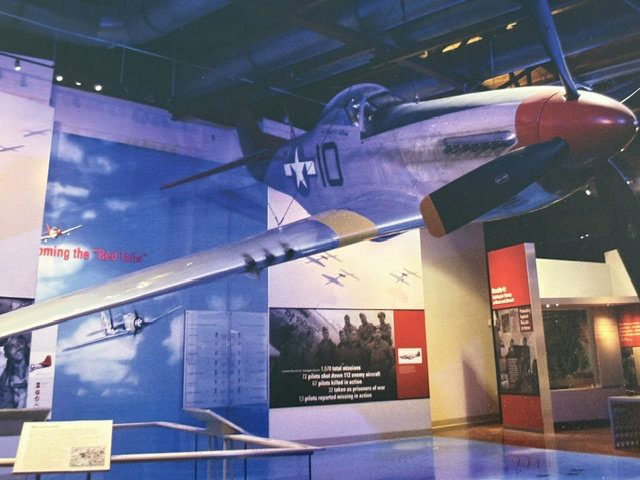
Visiting the site gave us an opportunity to see the story in the place where it began. Exhibits, photographs, personal accounts and aircraft help explain both the technical demands of becoming a military pilot and the additional barriers these men and women faced because of segregation. Standing beneath one of the aircraft makes the history much more tangible.

Read More From Nancy
Cumberland Gap National Historical Park
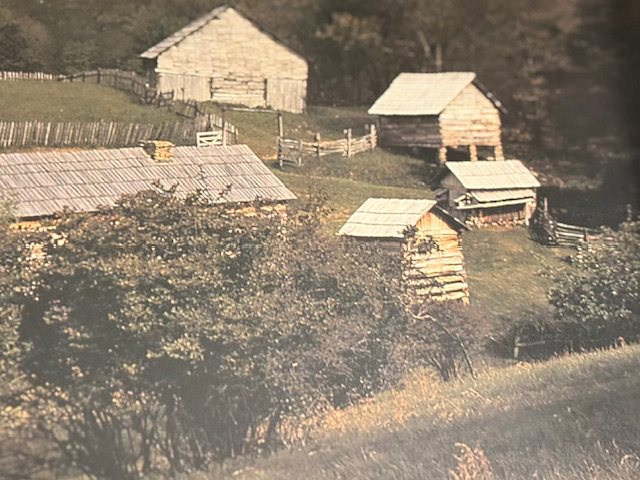
At the Cumberland Gap National Historical Park, located at the intersection of Kentucky, Tennessee and Virginia, high atop Cumberland Mountain sits the Hensley Settlement, a restored early 20th century mountain community. To understand this place, you first must understand the Cumberland Gap itself. The gap is a natural pass through the Appalachian Mountains, one of the few […]
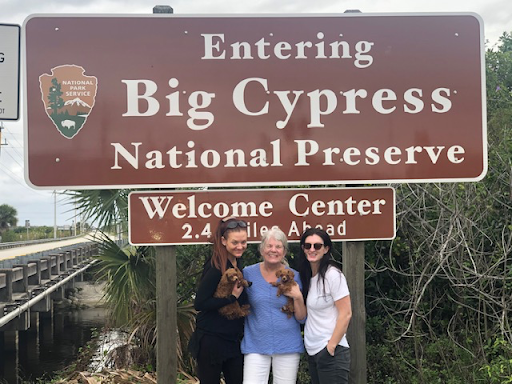
Big Cypress National Preserve
Big Cypress is not exactly a national park, but a national preserve. A national preserve allows certain traditional uses to continue while still protecting the land. When Congress established Big Cypress in 1974, it became one of the very first two national preserves in the country, Big Cypress protects nearly 729,000 acres of land, making […]
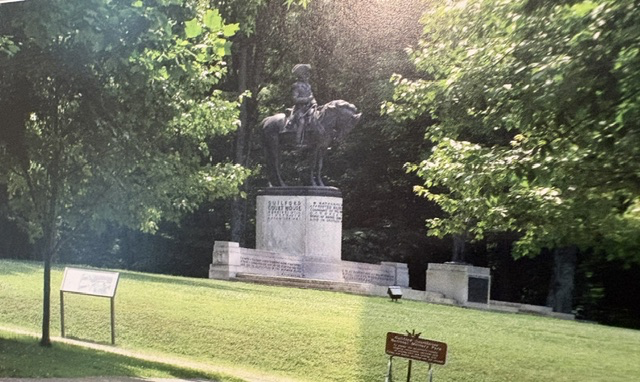
Guilford Courthouse National Military Park
One of the great privileges of traveling across the United States has been visiting our National Parks. While many people immediately think of spectacular mountains, canyons, or seashores, the National Park Service also preserves places where the course of American history was changed. Guilford Courthouse National Military Park in Greensboro, North Carolina, is one of […]

