Ebey’s Landing National Historical Reserve
Ebey’s Landing National Historical Reserve on Whidbey Island preserves a landscape where the history of the Pacific Northwest can still be seen in the land itself. Open fields stretch toward Puget Sound, historic farm buildings remain part of the countryside, and forests and shoreline surround communities whose stories reach back generations.
In 1792, Captain George Vancouver explored and charted Puget Sound for Great Britain. Vancouver’s expedition aboard HMS Discovery was the first recorded European exploration of much of Puget Sound, adding another chapter to a region that Indigenous peoples had known and inhabited for thousands of years.
American settlement increased after the Oregon Territory was organized and Congress passed the Donation Land Claim Act of 1850. One of those settlers was Isaac Neff Ebey, who arrived on Whidbey Island in 1850 and claimed land overlooking Admiralty Inlet. The area that became known as Ebey’s Prairie and Ebey’s Landing still carries his name.
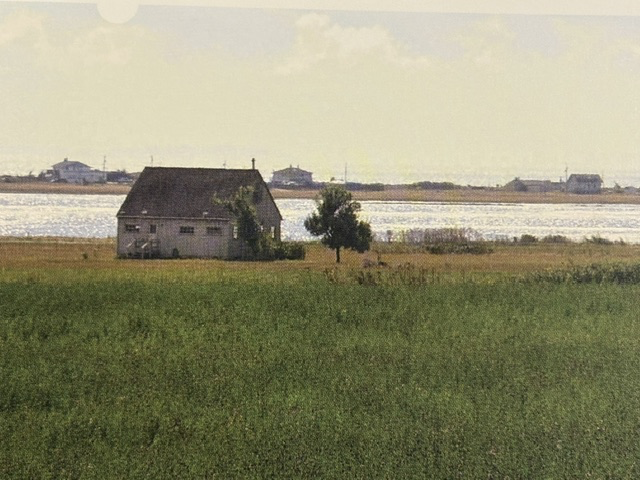
The rich soil and relatively mild climate made this an important agricultural area. Farms established during the nineteenth century continued through subsequent generations, creating the patchwork of fields, barns, homes, roads, and small communities that remains visible today. The photograph captures part of what makes this reserve unusual: it is not simply a collection of historic buildings but an entire cultural landscape.
Congress established Ebey’s Landing National Historical Reserve on November 10, 1978. It was the first National Historical Reserve in the National Park System. Unlike a traditional National Park where most of the land is federally owned, much of the property within Ebey’s Landing remains privately owned and actively used. The National Park Service works with local, state, and private partners to preserve the character of the landscape while allowing people to continue living and farming here
Visiting Ebey’s Landing gave us an opportunity to see a different kind of National Park site; one that preserves not just a particular event or building, but an entire landscape and the many generations of people who have shaped it.
Read More From Nancy
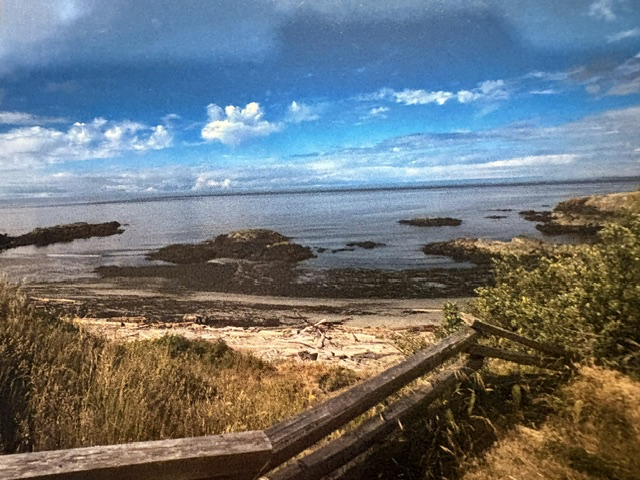
San Juan Island National Historical Park
San Juan Island National Historical Park in Friday Harbor, Washington, preserves one of the most unusual stories in American history. Established as a National Historical Park in 1966, the park commemorates the peaceful resolution of a boundary dispute between the United States and Great Britain that became known as the “Pig War.” Reaching San Juan Island […]
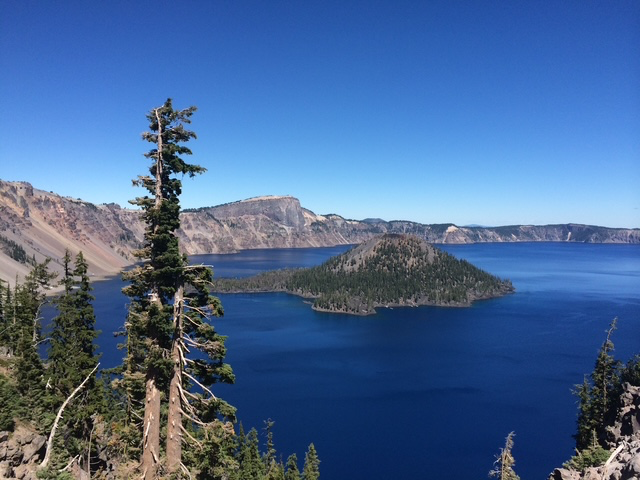
Crater Lake National Park
I visited Crater Lake National Park on one of my solo excursions. It was one of those places I wished I had shared with someone else. The color of the lake matched the bluest of skies as I walked along the rim, a blue so intense it almost felt unreal. There are no rivers flowing […]
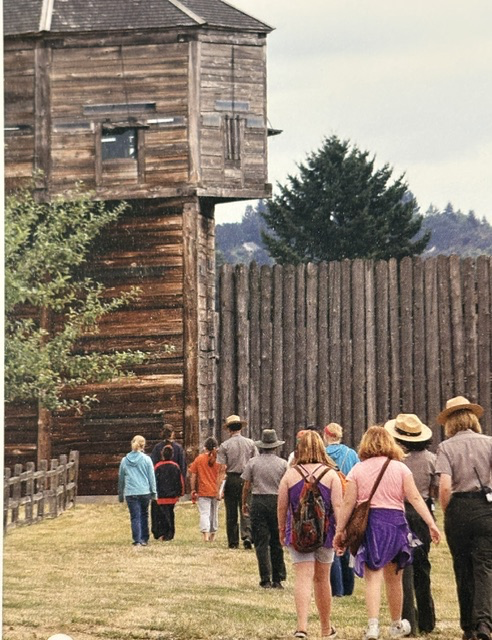
Fort Vancouver National Historic Site
Fort Vancouver was once the administrative headquarters and principal supply depot for the Hudson’s Bay Company’s vast Columbia Department. From this location on the north bank of the Columbia River, the company directed an enormous fur-trading network that stretched from the Rocky Mountains to the Pacific and from Russian Alaska south toward California and Hawaii. […]

