Minidoka National Historic Site
After touring Manzanar in California in 2012, I visited Minidoka in Idaho in 2014. At that time, Minidoka was not as organized or extensively interpreted as Manzanar. There were fewer restored structures, and much of the former camp had disappeared into the surrounding agricultural landscape. That emptiness, however, was part of the experience. It demonstrated how completely a place where thousands of people had once lived could nearly vanish from view.
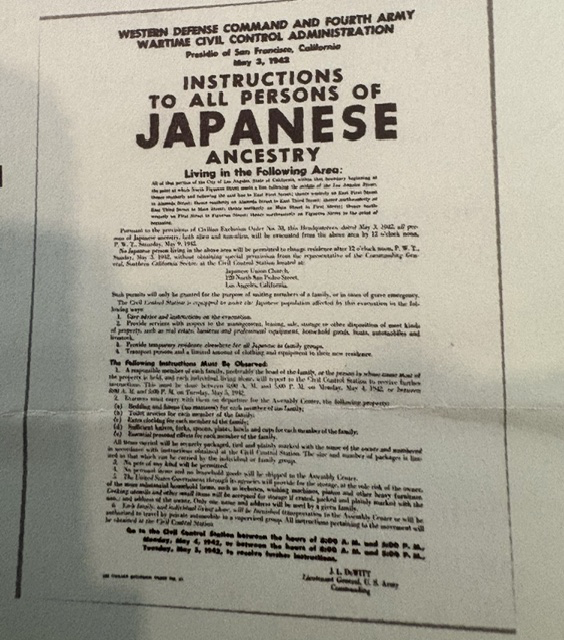
Minidoka opened on August 10, 1942, following President Franklin D. Roosevelt’s Executive Order 9066. More than 13,000 Japanese Americans passed through the camp before it closed on October 28, 1945, with its population reaching a high of 9,397. Most had been forcibly removed from communities in Washington, Oregon and Alaska. The residential and administrative area occupied approximately 950 acres within a much larger 33,000-acre tract.
Life here was shaped by the extremes of Idaho’s high desert. Summer temperatures climbed above 100 degrees, winter temperatures fell below zero, and autumn rains transformed the dusty ground into deep mud. Families lived in poorly insulated, tar-paper-covered barracks surrounded by barbed wire and guarded by military police. Most of those incarcerated were American citizens who had been deprived of their homes and freedom without being charged with a crime.
President Bill Clinton established Minidoka Internment National Monument on January 17, 2001. In 2008, legislation signed by President George W. Bush expanded the protected area and redesignated it Minidoka National Historic Site. When we arrived in 2014, preservation and interpretation were still developing.
Manzanar presented its history through a more established visitor center and reconstructed portions of the camp. Minidoka required us to work harder to imagine what had once stood across those open fields. Both preserve the consequences of fear and prejudice and remind us how easily the constitutional rights of an entire group of Americans were taken away.
Read More From Nancy
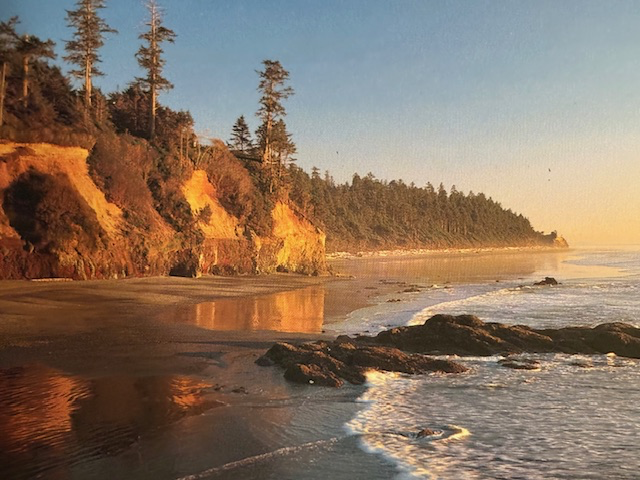
Olympic National Park
Olympic National Park is a place of incredible diversity: mountains, rainforest and rugged coastline, all within one park. My day here was oneI took on my own. At the visitor center, I remember learning about a predator in the park, and that gave me pause. It shifted my mindset that I wasn’t quite as confident […]
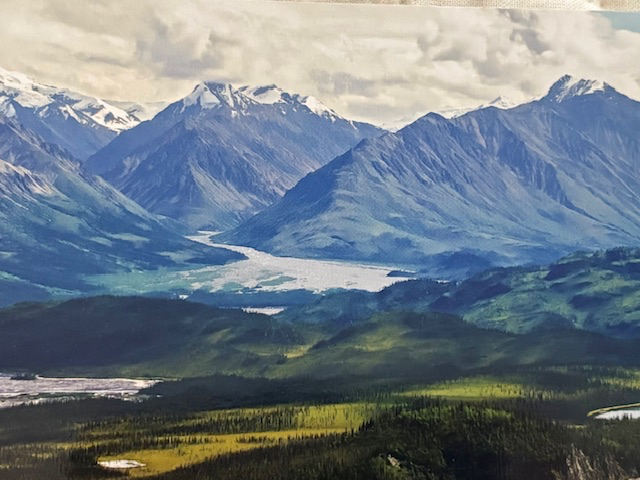
Wrangell-St. Elias National Park
Wrangell-St. Elias National Park and Preserve was part of our 2014 trip to Alaska. We drove into the Wrangell area, and what I most remember is the vast and distant everything felt. This is not an easy part to access. Roads are limited and distances are long. Most of the park is still reached by small […]
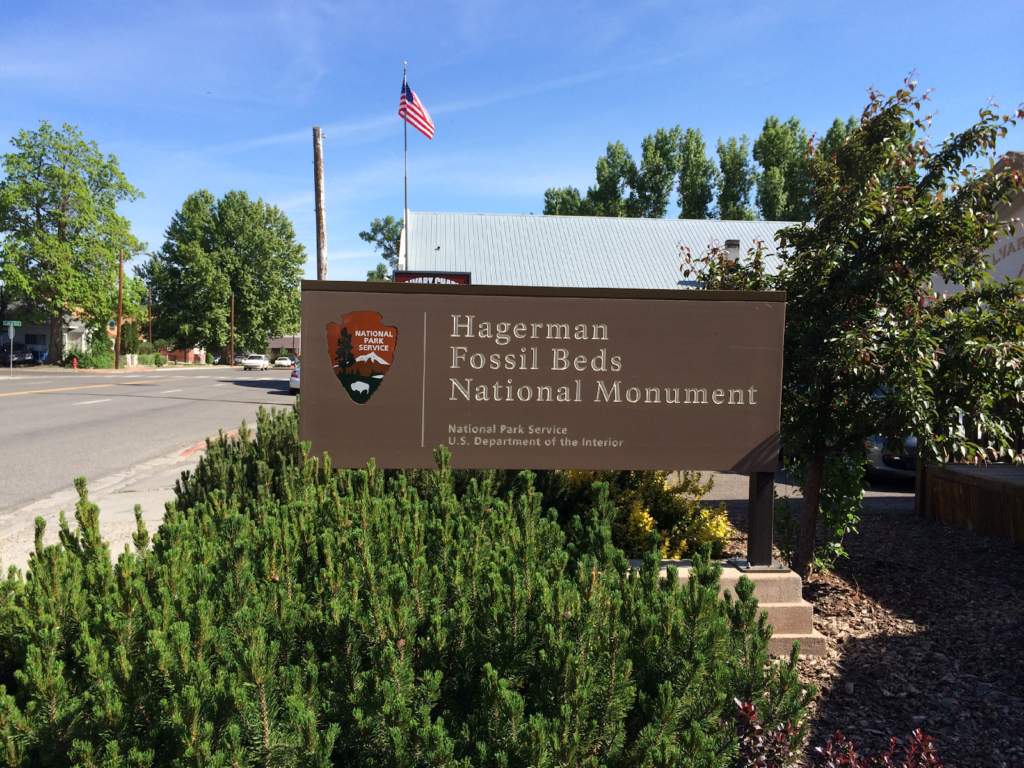
Hagerman Fossil Beds National Monument
Another remarkable place that preserves a much older chapter of Earth’s story is Hagerman Fossil Beds National Monument. Located in southern Idaho, along the Snake River Canyon near the small town of Hagerman, this landscape holds fossil deposits dating back 3 to 4 million years. This region was once very different. Instead of the dry terrain […]

