William Howard Taft National Historic Site
On a visit to Cincinnati, we stopped at the William Howard Taft National Historic Site, the home where William Howard Taft was born in 1857 and spent much of his childhood.
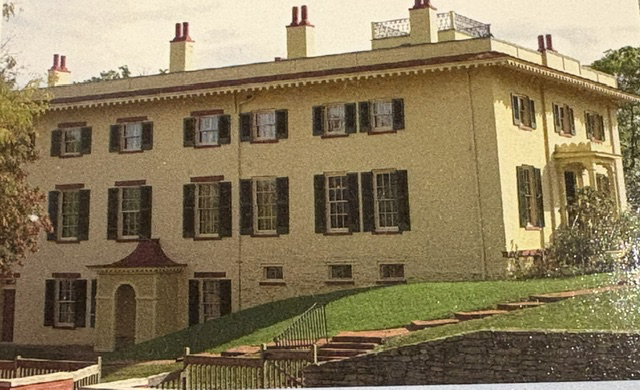
The substantial Greek Revival house on Mount Auburn had been purchased by Taft’s father, Alphonso Taft, in 1851. The family expanded and remodeled it over the years, creating the large home we see today. Alphonso was a prominent Cincinnati lawyer and judge who later served as President Ulysses S. Grant’s cabinet as both Secretary of War and Attorney General. Politics, law, education, and public service were therefore very much a part of the household in which young William grew up.
The neighborhood itself was quite prestigious. Mount Auburn was Cincinnati’s first suburb and became known in the nineteenth century as the city’s “Fifth Avenue,” with prominent families building substantial homes on the hills above the crowded city below. Interestingly, despite the Tafts’ position in society, the National Park Service describes their house as relatively modest compared with some of the grand villas belonging to their neighbors.
William Howard Taft followed his family’s tradition of public service. His career included positions as a judge, U.S. Solicitor General, governor-general of the Philippines, and Secretary of War before he became the 27th President of the United States in 1909.
But the presidency was not actually the position Taft most wanted. His great interest was the law and the judiciary. In 1921, President Warren G. Harding appointed him Chief Justice of the United States. He served until 1930 and remains the only person in American history to have served both as President and as Chief Justice of the Supreme Court.
There is another interesting part of the house’s story. The Taft family sold it in 1899, and it passed through several owners. After Taft’s death in 1930, preservationists began working to save his birthplace. That effort took about thirty years. Taft’s own son, Charles P. Taft II, eventually became involved in the effort to preserve his father’s childhood home.
On December 2, 1969, President Richard Nixon signed the legislation establishing the William Howard Taft National Historic Site. The house and grounds became part of the National Park Service so that the environment that helped shape Taft’s character and ideas about public service could be preserved.
I particularly enjoyed learning that Taft’s story did not peak with becoming President. For him, reaching the Supreme Court represented the fulfillment of a long-held ambition. It makes this National Historic Site more than simply another presidential birthplace. The boy who grew up in this Cincinnati house would eventually occupy two of the most important positions in American government, a distinction that, more than a century later, remains his alone.

Read More From Nancy
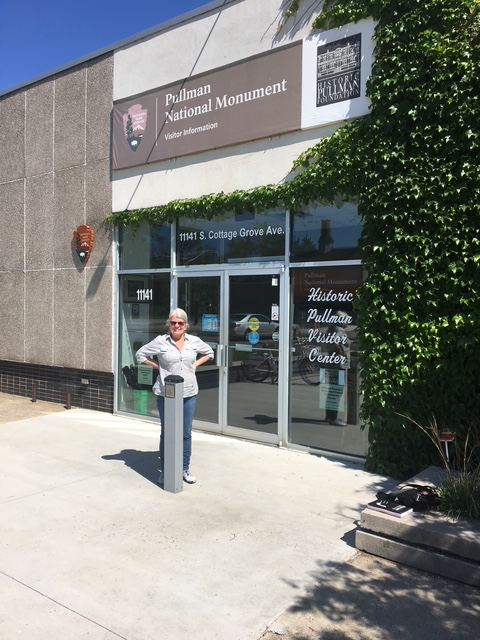
Pullman National Monument
While teaching in Chicago in 2018, we took a trip to Pullman National Monument, a relatively new addition to the National Park Service at the time. The Pullman community was a grand idea. It was created in the 1880s by George Pullman, founder of the Pullman Palace Car Company. His vision was to create a […]
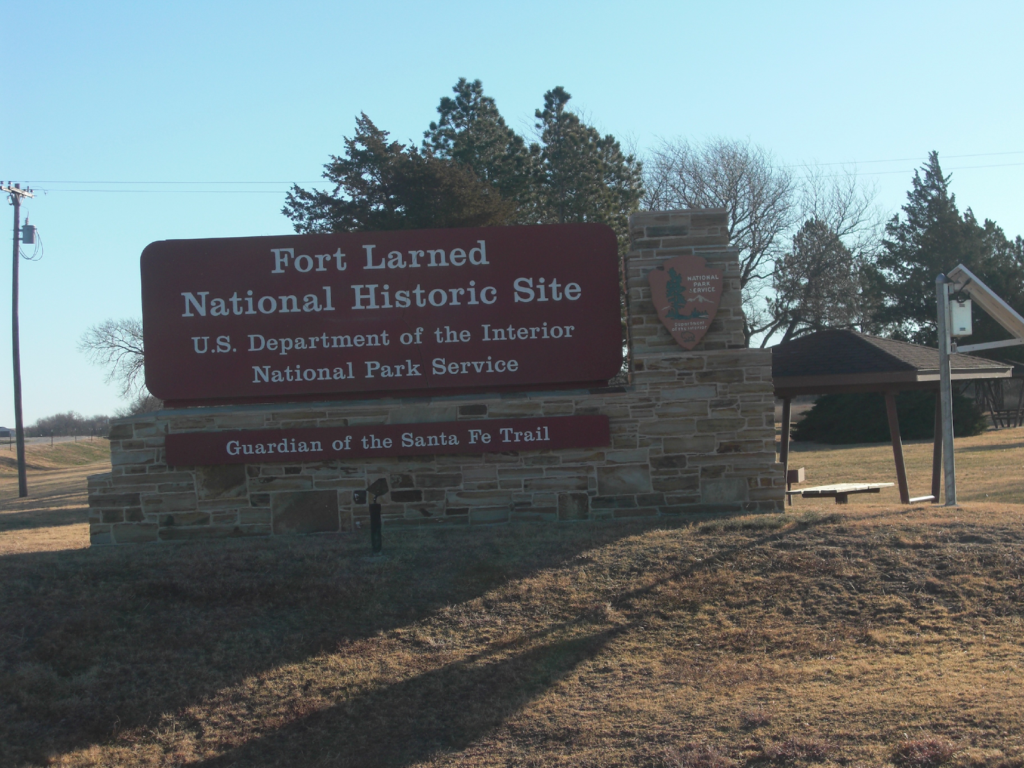
Fort Larned National Historic Site
Along our coasts and across the vast interior of our country, we have built military forts. They rise not in settled times, but in moments of change, when boundaries shift, when commerce pushes outward, when cultures meet in tension. Fort Larned stands as one of those witnesses to transition. In 1859, along the corridor of the […]
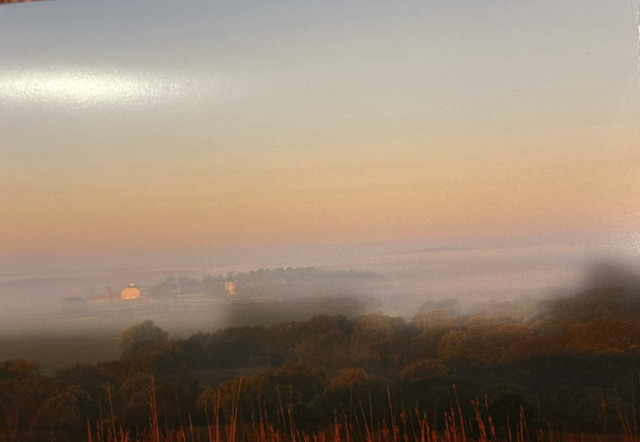
Tallgrass Prairie National Preserve
The rolling grasses and soft morning mist of Tallgrass Prairie National Preserve, one of the rarest landscapes remaining in North America. The preserve protects a small surviving piece of the vast tallgrass prairie that once stretched across millions of acres from Texas north into Canada. Today, less than four percent of that original prairie ecosystem still exists. The Flint Hills became one […]

